

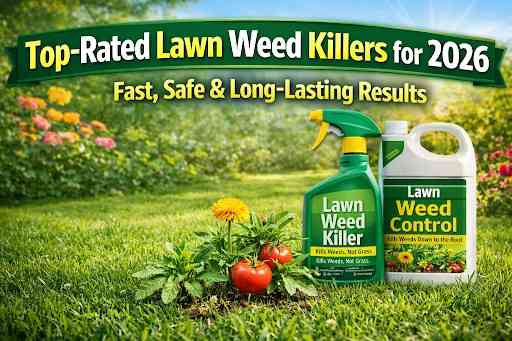
A healthy, green lawn improves the appearance of any home. However, weeds often invade lawns and compete with grass for sunlight, water, and nutrients. If left untreated, weeds can quickly spread and damage even the most carefully maintained turf.
Fortunately, modern lawn care solutions make weed control easier than ever. A lawn weed killer can remove invasive plants efficiently while protecting the surrounding grass. In 2026, gardeners and homeowners have access to safer, more effective, and longer-lasting weed control products.
This expert guide explains how lawn weed killers work, highlights the most effective options available today, and provides practical advice to help you maintain a lush, weed-free lawn.
Before choosing a solution, it is important to understand why weeds appear in the first place. Weeds thrive in environments where grass struggles. When lawns experience poor soil health, compacted soil, or irregular watering, weeds quickly take advantage of the opportunity.
Common lawn weeds include:
These plants grow rapidly because they adapt well to harsh conditions. According to turfgrass research from land-grant universities and agricultural extension programs, weeds often spread when lawns have thin grass coverage or imbalanced soil nutrients.
Therefore, using a lawn weed killer alongside proper lawn care practices produces the best long-term results.
A lawn weed killer eliminates unwanted plants by targeting specific biological processes in weeds. Most products fall into two main categories: selective herbicides and non-selective herbicides.
Selective herbicides kill weeds while leaving grass unharmed. These products are commonly used in residential lawns because they target broadleaf weeds without damaging turfgrass.
They disrupt plant growth hormones or metabolic processes in weeds, causing them to die gradually.
Non-selective herbicides kill almost all vegetation they touch. For that reason, gardeners typically use them for driveways, sidewalks, or areas without grass.
However, they should be applied carefully to avoid damaging nearby plants.
When used correctly, a lawn weed killer can effectively control weeds without harming the surrounding lawn.
Modern lawn care products come in several forms, each designed for specific weed problems.
Pre-emergent herbicides prevent weeds from germinating. Instead of killing existing weeds, they stop seeds from developing.
These products are particularly effective against annual weeds such as crabgrass. Garden experts recommend applying them in early spring before weeds begin growing.
Post-emergent products eliminate weeds that are already visible. These herbicides target mature plants and work through leaf absorption.
Many homeowners prefer this type because it quickly removes existing weed problems.
Organic gardeners often choose natural weed control options. Vinegar-based sprays, citrus oils, and plant-derived herbicides can suppress weeds without harsh chemicals.
However, they may require repeated applications.
For families with animals, safety is a major concern. Fortunately, many brands now offer pet friendly weed killer products made from natural ingredients or low-toxicity formulas.
These solutions reduce the risk of harm to pets when used according to manufacturer guidelines.
Choosing the right product requires careful consideration. Not all weed killers perform equally well in every lawn.
Here are the most important features to evaluate:
Many homeowners prefer products that show visible results within days. Rapid-acting formulas disrupt weed growth quickly and prevent further spreading.
A high-quality lawn weed killer should target weeds while protecting desirable grass varieties such as fescue, Bermuda, or Kentucky bluegrass.
Products that provide extended control reduce the need for repeated treatments. Long-lasting weed killers help maintain a weed-free lawn for weeks or months.
Rainfall and watering can reduce the effectiveness of some herbicides. Look for products labeled as rain-fast after application.
Homeowners with children and animals often prefer safer alternatives. In many cases, a pet friendly weed killer offers peace of mind without sacrificing effectiveness.
Professional landscapers follow several proven strategies when controlling weeds.
Healthy lawns naturally resist weeds. Thick grass shades the soil and prevents weed seeds from germinating.
Regular mowing, watering, and fertilizing support stronger turf growth.
Timing is critical for effective weed control. Applying herbicides when weeds are actively growing increases success rates.
Spring and early fall are usually the most effective seasons.
Instead of spraying the entire lawn, experts often treat individual weed patches. This approach reduces chemical exposure while still removing problem areas.
A targeted lawn weed killer application also helps protect beneficial plants.
Many homeowners prefer environmentally friendly lawn care solutions. Natural weed control methods can work effectively when combined with good lawn maintenance.
Pulling weeds by hand remains one of the most reliable methods. Removing the entire root prevents regrowth.
Mulch blocks sunlight and suppresses weed seeds. Garden beds benefit significantly from organic mulch layers.
Pouring boiling water over weeds can kill them instantly. However, this method works best for cracks in sidewalks rather than grassy lawns.
Several brands now produce pet friendly weed killer products made from plant oils, citric acid, or vinegar-based formulas. These options provide safer alternatives for families concerned about chemical exposure.
Even the best products can fail if used incorrectly. Many homeowners make simple mistakes that reduce effectiveness.
Using too much herbicide can damage grass and soil health. Always follow manufacturer instructions carefully.
Applying weed killer during extreme heat or drought can stress grass and reduce weed control effectiveness.
Weed killers treat symptoms but not the root cause. Without proper lawn care, weeds will eventually return.
Not all weeds respond to the same herbicide. Identifying the weed species helps ensure you choose the right lawn weed killer.
Modern lawn care practices emphasize sustainability. Experts encourage responsible herbicide use to protect soil health and biodiversity.
Research from agricultural universities and environmental organizations shows that targeted weed control methods reduce environmental impact while maintaining lawn quality.
Gardeners can minimize ecological risks by:
Many newer herbicides also include biodegradable ingredients that break down more quickly in the environment.
Applying weed control products correctly ensures the best results and protects surrounding plants.
By following these steps, homeowners can maximize the effectiveness of a lawn weed killer while maintaining a safe outdoor environment.
Although herbicides are effective, prevention remains the best strategy.
Healthy soil promotes strong grass growth. Soil testing helps identify nutrient deficiencies.
Cutting grass too short weakens turf and encourages weed growth.
Planting additional grass seed fills bare spots where weeds might otherwise grow.
Deep watering encourages deeper grass roots, making lawns more resilient against weed invasion.
Combining these practices with a reliable lawn weed killer ensures long-term lawn health.
The best product depends on the type of weeds and grass in your lawn. Selective herbicides designed for turfgrass typically provide the most effective control without harming grass.
Most products begin showing results within 24 to 72 hours. However, complete weed death may take one to two weeks depending on the product and weed type.
Many products are safe once they dry. Additionally, some brands offer pet friendly weed killer formulas made from natural ingredients.
Experts recommend waiting at least two days after mowing. This allows weeds to develop enough leaf surface for effective herbicide absorption.
Natural products can control young weeds effectively. However, stubborn or established weeds may require stronger herbicides for complete removal.
Most lawns require treatment once or twice per growing season. Preventive applications in spring and fall often provide the best results.
Weed control remains one of the biggest challenges for homeowners trying to maintain a beautiful lawn. Fortunately, modern products and lawn care practices make it easier to achieve long-lasting results.
A high-quality lawn weed killer can eliminate invasive plants quickly while protecting healthy grass. When combined with proper lawn maintenance, these products help create a greener, thicker, and more resilient lawn.
Furthermore, safer solutions such as pet friendly weed killer options provide effective weed control without compromising the safety of families and pets.

© 2025 Crivva - Hosted by Airy Hosting Managed Website Hosting.