


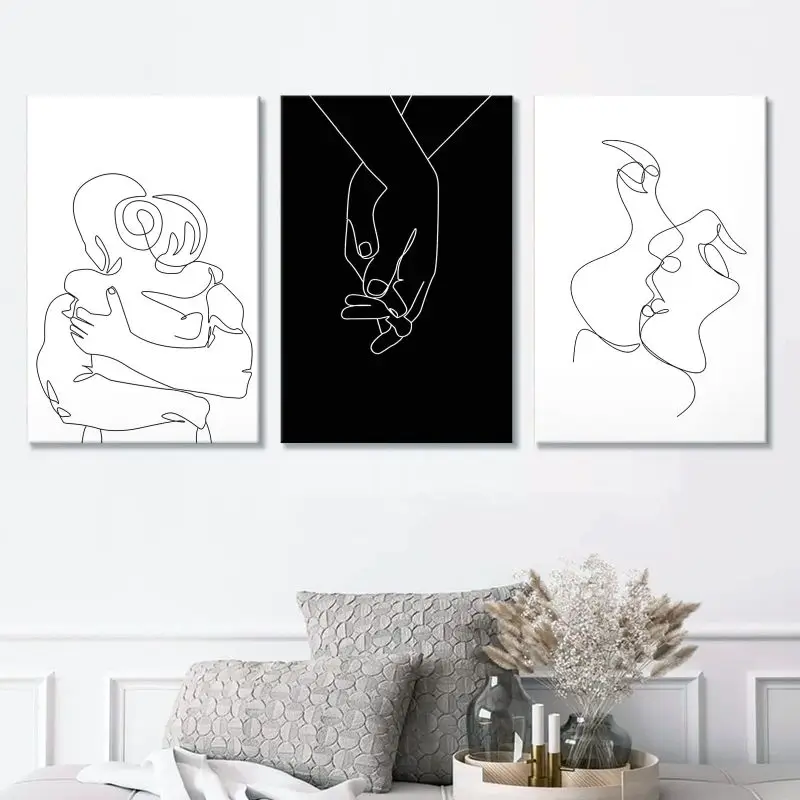
Interior design and artwork go hand in hand—one elevates the other. The right art piece can transform a room, reinforce its style, and give it emotional depth. But with so many décor styles circulating today, choosing artwork that fits your vision can feel overwhelming. Modern, minimalist, bohemian, industrial, traditional, and transitional styles all call for different visual expressions. Understanding how art complements each interior style will help you create a cohesive, beautifully curated home that feels intentional and inspired.
Below, we break down the top interior design styles and the ideal artwork to pair with each. If you’re looking for curated collections that fit many of these styles, you can explore options at MusaArtGallery.
Modern interiors embrace simplicity, clean lines, and open spaces. They avoid clutter and focus on structure, proportion, and balance. This style pairs best with artwork that feels bold but not overbearing—pieces that offer visual clarity and strong form.
Abstract art with geometric shapes, sharp lines, or dramatic color blocks
Minimalist compositions that highlight shape over detail
Large statement pieces that provide an impactful focal point
Modern homes thrive when artwork acts as the visual anchor. A single oversized abstract above a sofa or a structured geometric piece in an entryway enhances the sleekness of the style.
Minimalism celebrates restraint, empty space, and visual calm. Artwork in minimalist interiors should echo that sense of serenity. The goal is not to overwhelm but to contribute thoughtfully.
Monochrome or near-monochrome abstracts
Soft, muted color palettes
Clean and simple line art
Subtle textured canvases
A powerful category for minimalism is black and white art, which blends effortlessly into minimalist designs. Its contrast adds sophistication without creating visual noise. In minimalist bedrooms, a simple contour drawing or a quiet abstract above the bed can create a serene atmosphere.
Scandinavian interiors combine minimalism with warmth. This popular style features natural materials, soft hues, and comforting simplicity. Artwork in Scandinavian design should evoke calmness and nature while keeping visual clutter at bay.
Nature-inspired pieces (botanicals, landscapes, ocean themes)
Pastel and earthy-toned abstracts
Minimalist line illustrations
Soft geometric designs
The goal is to create a sense of openness and comfort. Scandinavian homes often pair well with artwork that reflects organic shapes, gentle motion, and the serenity of nature.
Industrial interiors draw inspiration from warehouses and factories. Exposed brick, metal pipes, concrete, and distressed textures define this raw, urban look. Art plays a crucial role here—softening the aesthetic without taking away its edge.
Black-and-white photography, especially architectural or urban scenes
Abstract art with metallic tones or textured surfaces
Moody, dark-toned paintings
Retro or steampunk-inspired artwork
Large monochrome abstracts or gritty cityscapes amplify the industrial vibe while adding visual refinement. The contrast between raw architecture and bold artwork creates a balanced, stylish result.
Bohemian (Boho) interiors are eclectic, expressive, and vibrant. This style embraces layers of texture, color, and cultural influences. It’s personal, free-spirited, and creative—which means the art should reflect that same energy.
Colorful abstracts full of motion and emotion
Global-inspired designs (tribal, Moroccan, mandala elements)
Vintage-style posters or folk art
Mixed-media and textured pieces
Bohemian décor welcomes experimentation. A gallery wall mixing framed prints, woven textiles, and small paintings becomes a central design feature, telling the story of the homeowner’s travels and experiences.
Traditional interiors are elegant, timeless, and rich with historical influence. Furniture is often ornate or classic, and décor leans toward symmetry, warm colors, and refined details.
Landscapes and nature scenes
Still-life paintings
Historical artwork or vintage-inspired prints
Classical portraiture
Warm-toned impressionist pieces
Art in traditional homes should match the sophistication of the space. Gold or wooden frames pair beautifully with traditional architecture and furnishing, enhancing the overall warmth and elegance of the room.
Transitional interiors blend modern and traditional sensibilities. They feature neutral color palettes, simple lines, and a balanced mix of old and new. Artwork in transitional rooms should reflect harmony and subtle sophistication.
Soft-toned abstracts
Neutral and earth-toned paintings
Black-and-white photography
Modern interpretations of traditional subject matter
This style is perfect for people who enjoy the comfort of traditional décor but the simplicity of modern design. Artwork should bridge those worlds—clean, yet warm; refined, yet contemporary.
Contemporary décor is constantly evolving, reflecting current trends. Today’s contemporary interiors focus on comfort, organic shapes, curved furniture, and a mix of bold and soft aesthetics.
Fluid, expressive abstract art
High-contrast pieces
Trend-inspired color palettes like terracotta, sage, and muted blues
Sculptural or textured canvases
Contemporary art should feel fresh and dynamic. Pieces with movement—sweeping brushstrokes or layered textures—blend exceptionally well with the energy of contemporary spaces.
Bright, breezy, and relaxed, coastal homes embrace natural light and ocean-inspired hues. Art in coastal interiors should feel fresh, calming, and connected to the sea.
Ocean landscapes or beach scenes
Soft watercolor abstracts
Blue and white palettes
Nature-inspired photography (waves, shells, boats)
The feeling should be serene and airy. Choose pieces that bring the tranquility of the coastline indoors.
Eclectic interiors are joyful blends of different styles, eras, and influences. These homes embrace the unexpected, using art to create personality and surprise.
Vibrant, bold abstracts
Cultural or symbolic artwork
Unusual shapes or oversized pieces
Mixed framing styles
Highly expressive or whimsical pieces
Eclectic art should feel personal, experimental, and engaging. The key is balance—while the artwork may be bold, the arrangement should still feel intentional.
Choosing artwork based on interior design style ensures that your home feels cohesive, expressive, and beautifully curated. Whether you prefer the simplicity of minimalism, the drama of industrial design, or the warmth of traditional décor, the right art can transform your space and bring your vision to life.

© 2025 Crivva - Hosted by Airy Hosting Managed Website Hosting.