


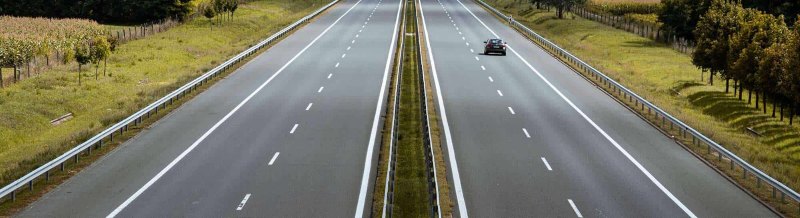
Road infrastructure across Europe is increasingly managed through digital systems that regulate access based on predefined rules rather than physical checks. One of the most visible examples of this approach is the use of time-based road access permits, which determine whether a vehicle is allowed to use certain motorway sections during a specific period. These systems are designed to simplify administration, improve traffic monitoring, and ensure consistent enforcement of regulations.
Instead of paper stickers or manual inspections, vehicle authorization is now linked to license plate registration in centralized databases. Cameras installed on motorways automatically verify compliance without stopping traffic. This model reflects a broader shift toward automated governance, where compliance is evaluated continuously and objectively.
Not all road users interact with motorway networks in the same way. Some drivers use them only briefly, for example when passing through a country during a single journey or making a short visit. For these cases, long-term authorization would be unnecessary and inefficient.
To address this need, short-duration permits are available that allow legal motorway use for a limited timeframe. A typical example is the one-day road access permit, which grants access for a single calendar day. This option is particularly relevant for transit drivers, tourists on compact itineraries, or those making unplanned route changes that involve toll motorways.
From a regulatory perspective, short-term permits offer flexibility without compromising enforcement. They allow authorities to maintain uniform control standards while accommodating diverse travel patterns.
At the opposite end of the spectrum are drivers who rely on motorway infrastructure regularly. This group may include commuters, long-term visitors, or individuals whose professional activities require frequent travel across regions. For them, repeatedly arranging short-term access would be impractical.
Long-duration permits provide a stable solution by allowing continuous access over an extended period. An example is the annual road access permit, which covers an entire year of motorway use. This model reduces administrative repetition and ensures uninterrupted compliance with access rules.
From a systems perspective, annual permits simplify monitoring by minimizing changes in authorization status while still allowing automated verification through the same digital infrastructure.
Regardless of duration, all time-based road permits rely on accurate data entry and system integrity. Since enforcement is automated, the system does not interpret intent or context. It only evaluates whether the vehicle’s registration matches an active authorization at the moment of detection.
This places responsibility on users to ensure that vehicle information and validity periods are correct. Even minor inaccuracies, such as a mistyped license plate number or an incorrect activation date, can result in recorded violations.
The increasing use of time-based road access permits reflects a broader trend in infrastructure management. Digital permits reduce physical overhead, enable real-time monitoring, and generate structured data that can be used for planning and maintenance decisions.
For drivers, these systems introduce predictability. Clear validity periods and transparent rules make it easier to align travel plans with legal requirements. For authorities, automation improves consistency and reduces reliance on manual checks.
As European transport networks continue to evolve, time-based access models are likely to remain a core component of how mobility is regulated. Their effectiveness depends not only on technology, but also on user awareness and adherence to clearly defined rules.

© 2025 Crivva - Hosted by Airy Hosting Managed Website Hosting.