


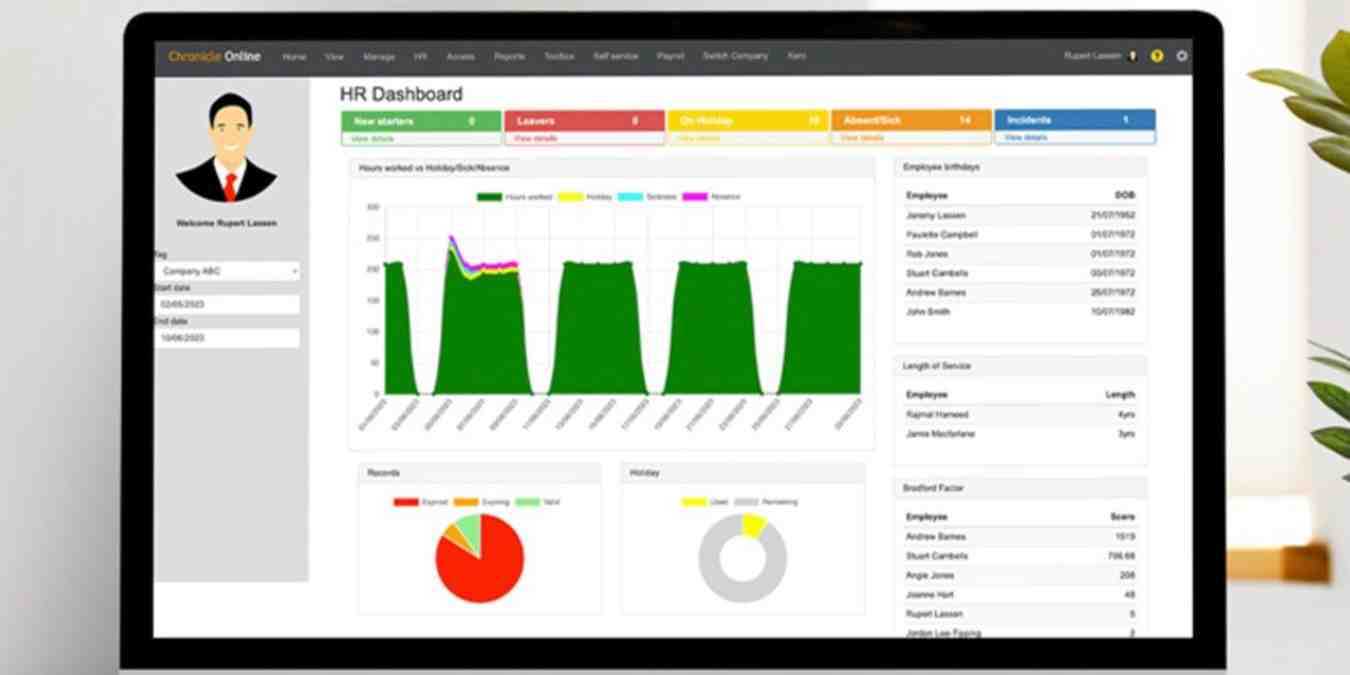
Time and attendance management has become a core part of effective workforce planning. What was once a basic administrative task now directly influences payroll accuracy, legal compliance, employee trust, and overall productivity. As flexible working models continue to grow across the UK, organisations are increasingly moving away from manual processes towards reliable time-and-attendance software that UK businesses can depend on.
With remote, hybrid, and multi-site teams becoming the norm, traditional paper timesheets and spreadsheets no longer provide the visibility or accuracy HR teams need. Modern time and attendance systems offer real-time insights that help organisations respond faster, plan better, and operate more efficiently.

In this blog, we explain how modern time and attendance systems help organisations accurately manage working hours while supporting compliance and enabling smarter decision-making.
Accurate tracking of working hours is essential for both employers and employees. From ensuring fair pay to supporting workforce planning, time data plays a critical role in day-to-day operations. In the UK, organisations must also meet strict legal obligations under employment legislation.
Employers are required to comply with the Working Time Regulations 1998, which include limits on average weekly working hours, rest breaks, and minimum rest periods between shifts. Accurate time records are also necessary to demonstrate National Minimum Wage compliance. Without a dependable tracking system, organisations risk errors, disputes, and potential penalties.
Modern time and attendance systems for small businesses are especially valuable, as smaller teams often lack dedicated HR resources. Automated tracking helps reduce admin time while ensuring records are accurate, secure, and compliant with UK GDPR requirements.
Despite its importance, time and attendance management remains one of the most challenging HR functions. Many organisations struggle with:
Manual Errors
Paper-based tracking and spreadsheets are prone to mistakes, missed entries, and calculation errors, particularly when managing overtime or multiple shifts.
Compliance Risks
Keeping up with employment regulations can be complex, especially for organisations with varied working patterns. Inconsistent records increase the risk of non-compliance.
Disconnected Systems
When time tracking operates separately from payroll or HR software, data duplication becomes common, increasing workload and the likelihood of errors.
Low Employee Engagement
Outdated or difficult systems often frustrate employees, leading to inaccurate self-reporting and reduced trust in HR processes.
These challenges can limit HR’s ability to provide reliable insights and support strategic decision-making.
Advanced time and attendance solutions are designed to simplify workforce management while improving accuracy and transparency. Key features typically include:
Real-Time Tracking
Employees can clock in and out using mobile apps, web portals, or on-site devices, giving managers instant visibility into attendance.
Automated Compliance Support
Built-in rules help ensure working hours, breaks, and overtime align with UK employment regulations.
Payroll Integration
Time data flows directly into payroll systems, reducing manual entry and minimising payment errors. Many organisations benefit from systems that work smoothly with platforms such as Xero Time and Attendance, helping streamline payroll processing.
Absence Management
Annual leave, sick leave, and other absences can be tracked in one place, improving visibility across teams.
Reporting and Insights
Custom reports allow HR teams to analyse trends such as overtime, absenteeism, and shift patterns, supporting data-driven decisions.
These capabilities help HR teams reduce admin workload while improving control over workforce costs and compliance.
Introducing a new time and attendance Practice for Implementing Time and Attendance Systems. The system requires careful planning to ensure successful adoption. The following best practices can help organisations maximise value:
Start with A Pilot Programme
Testing the system in one department allows organisations to identify issues early and refine processes before rolling out company-wide.
Configure Rules Using Real Data
Using actual working patterns during setup ensures the system reflects real operational needs, reducing adjustments after launch.
Set Up Alerts and Approvals Early
Automated alerts for overtime or missed punches help maintain clean data and prevent small issues from escalating.
Provide Clear Communication and Training
Employees should understand what’s changing, why it matters, and how to use the new system. Simple guides and training sessions improve confidence and adoption.
Plan for Flexible Working
Systems should support remote and hybrid teams from day one, ensuring consistent use across all working arrangements.
Selecting the right solution goes beyond feature comparison. Organisations should consider:
For time and attendance systems for small businesses, simplicity and reliability are especially important, as teams often need quick setup and minimal training.
Effective time tracking is no longer just an administrative necessity. With the right time and attendance software, UK organisations can improve compliance, reduce errors, and gain clearer insight into how their workforce operates.

Chronicle Online provides modern time and attendance solutions designed to support UK businesses of all sizes. With flexible tracking, seamless Xero Time and Attendance integration, and tools built to simplify HR workflows, Chronicle Online helps organisations manage attendance with confidence, accuracy, and control.
Some of the most popular payroll software options in the UK include Xero Payroll, IRIS Staffology, ADP, Employment Hero Payroll, QuickBooks Payroll, FreeAgent, and Rippling. Rippling offers a modern, cloud-based approach to payroll management, making it suitable for businesses looking for automation and flexibility.
2. Are Timesheets a Legal Requirement in the UK?
Timesheets are an important tool for recording employees’ working hours. In the UK, employers must keep accurate records to ensure employees do not work more than the legal maximum hours and that they are paid at least the National Minimum Wage. While the law does not require a specific format, keeping timesheet records is essential for compliance.
3. What is Time and Attendance Software?
Time and attendance software helps businesses track and monitor employee working hours accurately. When integrated with payroll systems, it simplifies payroll processing, reduces manual work, and helps minimise errors.
4. What is the Most Used Accounting Software in the UK?
QuickBooks is one of the most widely used accounting software platforms in the UK. It is cloud-based, scalable, and suitable for sole traders, small businesses, and growing companies.
5. What is Payroll Called in the UK?
In the UK, payroll operates under the PAYE (Pay As You Earn) system. Employers deduct Income Tax and National Insurance from employee wages and send these payments directly to HM Revenue and Customs (HMRC). This system ensures tax and NI are collected throughout the tax year.
6. How to Audit a Payroll Checklist?
A payroll audit checklist helps verify employee details, working hours, pay rates, and deductions against company records and legal requirements. It ensures correct tax deductions, checks payroll against bank records, reviews bonuses or adjustments, and confirms compliance with wage and overtime rules to prevent errors and ensure accurate, timely pay.

© 2025 Crivva - Hosted by Airy Hosting Managed Website Hosting.