


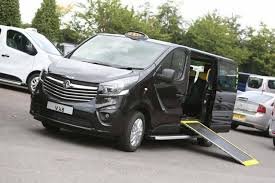
This daily mental load, this background anxiety about the how, is exhausting. It can make you want to just stay home. It shrinks your world. And this is exactly where the right wheelchair taxi service stops being a mere cab company and becomes something far more important. It becomes a lifeline. It’s the service that answers all those anxious questions before you even have to ask. It says, “We have the right van. Our driver is trained. Your safety is our procedure.” It gives you back the luxury everyone else takes for granted: the ability to just think about where you’re going, not how on earth you’ll get there. It’s a bridge back to normalcy, to spontaneity, to a life that exists beyond your front door.
You see them around town sometimes—vans with a little wheelchair symbol on the side. But a sticker doesn’t make it the real deal. A proper wheelchair taxi is a vehicle that has been specifically designed or meticulously converted for one job: safe, dignified transport. The most obvious feature is the access. It needs a reliable, built-in ramp or an electric lift that deploys smoothly and steadily to the pavement. A rickety, manual ramp that the driver has to wrestle out of a slot is a red flag; it’s hard on them and nerve-wracking for you.
But the inside is where you really separate the professionals from the pretenders. It’s not about hastily folding a few seats aside. It’s about clear, open floor space from the door to the back. The floor must have solid, reinforced anchorage points. The driver should use a proper four-point restraint system. This isn’t just a single strap. It means heavy-duty belts that cross over to lock each wheel of your chair securely to the floor, independent of the vehicle’s own seating. Then, they provide you with a separate passenger seatbelt. A true professional knows this two-step process isn’t just bureaucracy; it’s physics. It’s the critical difference between being safely integrated into the vehicle and being a loose object in a metal box. They’re trained not just in the equipment, but in the respectful, patient assistance that goes with it. They know it’s not just a chair; it’s your personal space.
Think about your own week for a second. The Tuesday doctor’s appointment. The Thursday big grocery shop. Meeting a friend for a coffee on Saturday. Getting to your job every morning. For non-drivers who use a wheelchair, each of these ordinary life events hinges on a single, make-or-break question: “How will I get there?”
Public transport can be a gamble. The bus might have a ramp, but what if it’s broken that day? What if the dedicated space is already full of strollers and shopping bags? A family member’s car might not be adapted, and asking for a lift means coordinating their entire schedule with yours. A standard taxi is completely useless. This constant logistical puzzle is why a dedicated wheelchair taxi service isn’t a luxury, like hiring a limousine. It’s essential urban infrastructure, as crucial as paved sidewalks. It provides certainty in an uncertain world. It means you can say “yes” to a job that starts at 9 AM, because you know you can book a ride for 8:15. It means you can keep a medical appointment without rescheduling three times. It gives back the most basic freedom: the freedom to participate in your own life on your own terms, without having to call in a monumental favour every single time you need a litre of milk or want to see a friend.
The work of a wheelchair taxi service is beautifully, importantly varied. It’s this variety that shows how deeply woven they are into the fabric of people’s lives. One call might be for a quiet, regular, weekly journey—the vital trip to the hospital for dialysis or physiotherapy. This ride isn’t about leisure; it’s about health and survival. The very next job might be taking a lawyer, a teacher, or an accountant to their office in the city centre. This ride is about dignity, independence, and professional life.
Another booking could be purely for joy—a trip to the cinema with a grandchild, a dinner date at a restaurant, a ride to a community choir or a pottery class. They provide careful, patient rides to the airport, building in extra time for the unique rhythms of that journey. They enable people to be present for life’s milestones: a niece’s wedding, a grandson’s graduation, a best friend’s funeral. To miss these moments because of transport is a heartbreak no one should face. This service, you see, isn’t just about errands. It’s about connection. It’s about health, employment, joy, and grief. It covers the entire, breathtaking spectrum of what it means to live a full, complete, and connected human life.
Finding the right company is the most important step, and it can feel daunting. You’re not just choosing a ride; you’re choosing a partner. Start by asking people who know. Your local council’s social services team will have a list. A community centre or a specific disability support group is a goldmine for honest, word-of-mouth recommendations—the kind of advice that comes from lived experience.
When you make that first call, be direct. This is your safety and your independence on the line. Ask the questions that matter: “Are your drivers formally trained in wheelchair securement, or is it just on-the-job?” “Can you describe your restraint system to me?” “My chair is a [make/model] power chair that is [dimensions]. Can your vehicles accommodate that comfortably?” A good, professional service will welcome these questions. They will want the details to get it right. They’ll probably ask you a few of their own. Always book ahead when you can, especially for early morning appointments. Giving them notice isn’t just a courtesy; it ensures they can schedule the right vehicle and the right driver for you.
The vehicle is just metal and machinery. The driver is the heart of the experience. You are inviting a stranger into your personal space to handle equipment that is fundamental to your mobility and safety. It’s an incredibly vulnerable moment. The right driver understands this. They aren’t just a operator; they are a partner for the journey.
They communicate with clear, simple questions: “How would you like me to assist?” or “Would you prefer to back on or go on forwards?” rather than just taking over. They have a calm, patient energy. They never rush you. They operate the ramp and the restraints with a competent, practiced ease, and they always, always double-check their work. A great driver provides more than a ride; they provide dignity. They understand, deeply, that their role is to enable your independence, not to perform a charitable act. That subtle shift in mindset makes all the difference. This respectful, professional relationship is what transforms a transactional taxi service into a trusted resource, a known quantity in an unpredictable world.
The impact of a dependable wheelchair taxi service sends out ripples that touch far more than just the passenger in the back. It provides immense, tangible relief to family members and unpaid carers. A husband, a daughter, a friend—they may love you deeply, but they may not have the adapted vehicle, the physical strength, or the time in their own busy lives to provide every single ride. Knowing you have a reliable, safe alternative lifts a hidden weight of guilt and worry from their shoulders, too.
It fights the silent epidemic of social isolation. It’s not just about getting out; it’s about staying connected. Regular rides to a social club or just to the park keep people engaged with their community. This supports mental and physical health just as powerfully as the trip to the doctor’s office. For the wider community, it means more of its citizens are present, participating, and contributing. Every single pickup is a quiet, powerful statement: the person at this address has somewhere important to be, and their ability to get there matters. It is a simple service that upholds a profound and basic human right: the right to move freely through the world.
If the difficulty of transport has been slowly, quietly shrinking your world—making you say “no” more often than “yes,” making you choose between appointments, making you feel like a burden—then finding a good wheelchair taxi service can feel like a revolution. It is about taking back control. It starts with that first, deliberate phone call. Be clear. Be specific about your needs. A professional service will listen; they will want to get it right.
And when you find that company, and you find that driver, something remarkable happens. A weight you’ve been carrying for years begins to lift. That crucial doctor’s appointment transforms from a multi-day logistical crisis back into just… a doctor’s appointment. Meeting a friend for coffee becomes, once again, a simple pleasure. The service becomes your bridge. It’s the practical, rolling solution that reconnects you to your city’s rhythm, to the people you love, and most importantly, back to your own life, lived entirely on your own terms. It’s the freedom to just go.

© 2025 Crivva - Hosted by Airy Hosting Managed Website Hosting.