

The Annapurna Circuit Trail stands as one of the most iconic long-distance trekking routes in the world. Stretching across diverse landscapes that transition from lush subtropical forests to arid high-altitude deserts, this journey offers more than just a physical challenge. It serves as a profound immersion into the soul of the Nepalese Himalayas, where the scale of the mountains is matched only by the warmth of the mountain people. For those seeking a blend of natural grandeur and deep cultural heritage, this circuit remains the gold standard of adventure travel.
One of the most remarkable features of the Annapurna Circuit Trek is the dramatic ecological transition experienced over a relatively short period. The journey typically begins in the lower foothills, where the air is warm and the scenery is dominated by emerald-green rice paddies and cascading waterfalls. As you follow the Marsyangdi River upward, the humidity of the lowlands gives way to the crisp air of pine and rhododendron forests.
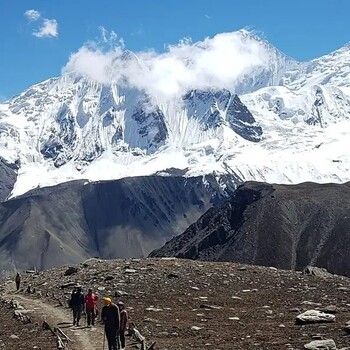
By the time you reach the village of Manang, the landscape shifts into a starkly beautiful, wind-swept terrain reminiscent of the Tibetan plateau. The jagged peaks of the Annapurna Massif, Dhaulagiri, and Machapuchare loom closer, their snow-dusted summits piercing a deep blue sky. This constant evolution of scenery ensures that no two days on the trail feel the same, providing a visual narrative of the Earth’s diverse topography.
Beyond the physical geography, the Annapurna Circuit Trek is a living museum of ethnic diversity. In the lower regions, you will encounter the Gurung and Magar communities, famed for their hospitality and their historical ties to the legendary Gurkha soldiers. Their stone-paved villages and terraced farms reflect a life built on resilience and harmony with the land.
As the altitude increases, the cultural tapestry shifts toward Tibetan Buddhism. The trails become lined with mani walls—stones intricately carved with Buddhist mantras—and colorful prayer flags that flutter in the mountain breeze. A rest day in Manang often includes a visit to the ancient Braga Monastery, which sits perched on a cliffside and houses centuries-old thangkas and statues. These spiritual landmarks offer a quiet space for reflection, grounding the physical exertion of the trek in a sense of timeless peace.
Every trekker on the Annapurna Circuit Trek has one specific milestone etched into their mind: Thorong La Pass. Standing at an elevation of 5,416 meters, this is the highest point of the trek and the ultimate test of endurance and acclimatization. The ascent usually begins in the pre-dawn darkness, with headlamps carving small tunnels of light through the freezing alpine air.
Reaching the summit of the pass provides a sense of accomplishment that is difficult to put into words. The panoramic views of the surrounding peaks are vast, and the prayer flags at the top serve as a vibrant symbol of success for every traveler who makes the climb. The subsequent descent into the Mustang region reveals a completely different world—an arid, rain-shadow landscape of ochre cliffs and ancient caves that feels worlds away from the lush valleys where the journey began.
The descent from the pass leads directly to Muktinath, a site of immense spiritual significance for both Hindus and Buddhists. This sacred temple complex, with its 108 brass water spouts and an eternal flame fueled by natural gas, draws pilgrims from across the Indian subcontinent. Witnessing the devotion of these travelers adds a layer of depth to the trekking experience, reminding visitors that these mountains are not just a playground for adventure, but a hallowed ground for millions.
Further along the route, the trail passes through Marpha, often called the apple capital of Nepal. This whitewashed village is famous for its apple orchards and the local brandy produced there. A glass of cider or a slice of fresh apple pie in a sun-drenched courtyard is a well-deserved luxury after the rigors of the high pass.
A successful Annapurna Circuit Trek requires careful planning and a respect for the environment. While the route is well-serviced by teahouses, the physical demands should not be underestimated.
Best Time to Visit: March to May (Spring) for blooms; October to November (Autumn) for clarity.
Physical Training: Focus on cardiovascular endurance and leg strength at least three months prior.
Permits Required: ACAP (Annapurna Conservation Area Permit) and TIMS (Trekkers’ Information Management System).
Gear Essentials: Broken-in trekking boots, a quality down jacket, and a -15°C rated sleeping bag.
Hydration: Aim for 3-4 liters of water daily to assist with acclimatization.
Pro Tip: Never rush the ascent. Acclimatization days in Manang are not just “rest days” but are vital for allowing your body to adjust to the thinning air, significantly reducing the risk of altitude sickness.
As the popularity of the Annapurna Circuit Trek grows, so does the importance of responsible travel. The region is ecologically sensitive, and trekkers are encouraged to minimize their footprint. Using water purification tablets or filters instead of buying bottled water significantly reduces plastic waste in remote areas. Additionally, supporting local teahouses and purchasing handmade crafts directly from artisans ensures that the economic benefits of tourism remain within the mountain communities.
The Annapurna Circuit Trek is far more than a path through the mountains. It is a transformative experience that challenges the body while nourishing the spirit. From the rhythmic sound of mule bells on the trail to the sight of the sun rising over the Annapurna range, the memories gathered here tend to linger long after the dust has been washed from your boots. Whether you are navigating the high-altitude desert of Mustang or sharing a hot meal in a cozy teahouse, the circuit offers a rare opportunity to disconnect from the modern world and reconnect with the raw beauty of nature.
For those who hear the call of the high Himalayas, this trek represents an enduring invitation to witness one of the most spectacular corners of our planet. The path is steep and the air is thin, but the reward is a perspective that can only be found at the top of the world.

© 2025 Crivva - Hosted by Airy Hosting Managed Website Hosting.