

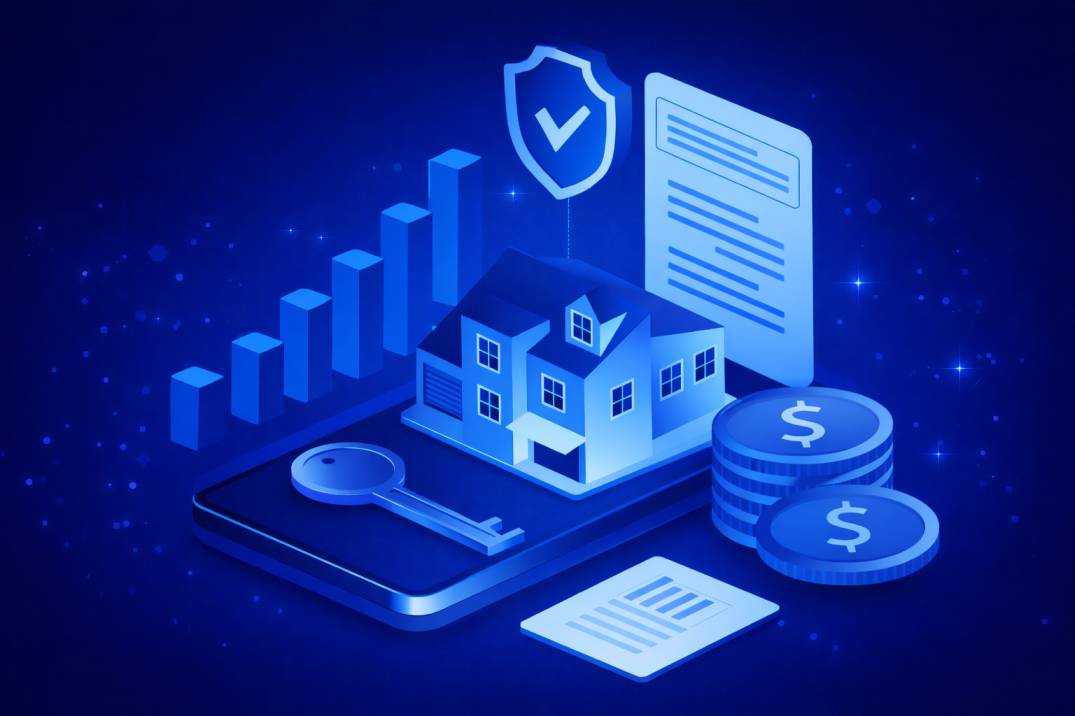
Real estate tokenization represents one of blockchain technology’s most practical applications, yet confusion surrounds how the process actually functions. Many articles discuss tokenization benefits without explaining the underlying mechanics. This breakdown examines the technical process converting physical real estate into digital tokens, the legal frameworks making this possible, and the infrastructure enabling token trading and ownership management.
Understanding these mechanics helps investors, property owners, and developers evaluate tokenization opportunities intelligently rather than treating blockchain as magical technology that somehow makes real estate liquid without tradeoffs or complications.
The Legal Foundation Comes First
Real estate tokenization begins with legal structure, not technology. A property owner cannot simply create tokens representing their building and sell them to investors. Securities laws govern investment offerings, and tokenized property interests typically qualify as securities requiring regulatory compliance.
Most tokenization projects establish a Special Purpose Vehicle (SPV)—a legal entity created solely to hold one property or portfolio. The SPV takes legal title to the real estate. This structure isolates property liabilities and creates clean ownership that blockchain can represent digitally.
Investors purchasing tokens receive ownership interests in the SPV, not direct property ownership. This distinction matters legally and operationally. The SPV owns the building. Token holders own the SPV. This indirect ownership structure enables fractional stakes impossible with traditional property titles requiring clear ownership percentages recorded with government authorities.
The offering documents—private placement memorandums for Regulation D offerings or offering circulars for Regulation A+ offerings—specify exactly what rights tokens represent. These include profit distributions, voting rights on major decisions, and eventual sale proceeds. The legal agreements govern while smart contracts automate execution of these pre-agreed terms.
Smart Contracts Automate Legal Terms
Smart contracts are computer programs running on blockchain networks that automatically execute when specified conditions occur. For real estate tokenization, smart contracts perform functions that traditionally required lawyers, accountants, and administrators.
A rental income distribution smart contract might specify: “When the property management company deposits monthly rent into the SPV bank account, automatically calculate each token holder’s proportional share based on tokens owned, subtract operating expenses and reserves, and transfer net income to token holders’ wallets within 48 hours.”
This automation executes pre-programmed legal terms without human intervention. The smart contract cannot decide to skip distributions, favor certain investors, or modify terms arbitrarily. The code executes exactly as programmed, providing transparency and certainty that manual processes cannot match.
Transfer restriction smart contracts enforce securities law compliance automatically. Before allowing token transfers between parties, the contract verifies both buyer and seller meet regulatory requirements. Are they accredited investors if required? Do they reside in permitted jurisdictions? Have they completed KYC verification? Only after confirming compliance does the transfer execute.
Blockchain Networks Provide Infrastructure
Tokenization requires blockchain networks providing the infrastructure where tokens exist and transfer. Ethereum dominates real estate tokenization due to its mature smart contract capabilities and extensive developer ecosystem. Other networks including Polygon, Avalanche, and specialized real estate chains are gaining adoption.
Blockchain networks function as distributed ledgers recording every transaction across thousands of computers simultaneously. When someone buys tokens, this transaction records permanently across the network. No central authority controls the ledger or can arbitrarily modify records. This decentralization provides security and prevents single points of failure.
Each token holder has a wallet—essentially a unique address on the blockchain—where their tokens reside. Wallet ownership requires private keys (long strings of characters) proving ownership. Losing private keys means losing access to tokens permanently, making secure key management critical for investors.
Network transaction fees (gas fees on Ethereum) pay for processing token transfers and smart contract executions. These fees vary based on network congestion but typically range from a few dollars to occasionally over $50 during peak usage. Layer 2 solutions and alternative blockchains reduce these costs substantially.
Token Standards Define Capabilities
Token standards specify technical rules governing how tokens function and interact with other systems. Real estate tokens typically use security token standards rather than generic cryptocurrency standards because securities require compliance features.
ERC-1400 is a popular security token standard on Ethereum enabling partition-based transfers. This allows creating different token classes (Class A, Class B) with different rights, or restricting certain tokens from transferring for specified lockup periods. These capabilities accommodate complex capital structures common in real estate.
ERC-3643 (T-REX protocol) provides even more sophisticated compliance features including identity verification, country restrictions, and investor limits. Smart contracts using this standard can enforce “maximum 99 investors” rules automatically or prevent transfers to sanctioned countries without manual oversight.
These standards ensure tokens work with secondary marketplaces, custody solutions, and other infrastructure. A token following ERC-1400 can trade on any marketplace supporting that standard, preventing vendor lock-in to specific platforms.
KYC and Investor Verification Systems
Know Your Customer (KYC) and investor accreditation verification form critical infrastructure for compliant tokenization. These systems verify investor identities, confirm accredited investor status when required, and screen for sanctioned individuals or jurisdictions.
Third-party verification providers integrate with tokenization platforms, performing background checks and document verification. When investors register, they submit government IDs, proof of address, and financial documentation proving accreditation if necessary. Verification providers confirm authenticity and provide digital attestations that smart contracts can reference.
These attestations link to wallet addresses. When someone attempts buying tokens, the smart contract checks whether their wallet has valid KYC attestation and meets offering requirements. Without proper verification, the purchase transaction fails automatically.
This system operates continuously, not just at initial purchase. If an investor loses accredited status or moves to a restricted jurisdiction, their attestation updates. Smart contracts can freeze their tokens or force redemption based on changed circumstances, maintaining ongoing compliance.
Secondary Markets Create Liquidity
Tokenization’s liquidity promise requires functional secondary markets where token holders can sell to other investors. These markets range from simple bulletin boards matching buyers and sellers to sophisticated trading platforms with order books and instant execution.
Alternative Trading Systems (ATS) are SEC-registered platforms legally permitted to facilitate secondary trading of securities. Several ATS platforms now support security token trading, providing regulated venues where real estate tokens can trade compliantly.
Many tokenization projects launch with no secondary liquidity, expecting markets to develop over time. This creates frustration when token holders discover their “liquid” investment cannot actually be sold easily. Evaluating secondary market plans before investing determines whether liquidity is real or theoretical.
Liquidity also depends on market depth—how many buyers and sellers exist. A token with ten investors will have limited liquidity regardless of platform sophistication. Tokens with hundreds or thousands of investors create meaningful markets where buying and selling occurs regularly at fair prices.
Understanding the Complete Picture
Real estate tokenization development combines legal structures, smart contract automation, blockchain infrastructure, compliance systems, and secondary markets into comprehensive ecosystems. Each component is essential. Brilliant smart contracts cannot overcome poor legal structure. Robust compliance cannot create liquidity if secondary markets don’t exist.
Investors and property sponsors should understand these technical and operational realities rather than accepting marketing promises at face value. Tokenization works, but only when all components function together properly. The technology has matured substantially, but successful implementation still requires expertise across law, finance, and blockchain engineering. Understanding how the pieces fit together enables making informed decisions about participating in this transformation of real estate investment.

© 2025 Crivva - Hosted by Airy Hosting Managed Website Hosting.