


Factories today do not end at the production line. Finished goods move into warehouses, sorting zones, loading bays, and distribution centers that are deeply connected to factory systems. These environments rely heavily on smart logistics technologies, video analytics, and real-time monitoring to keep operations efficient and safe.
As connectivity grows, cybersecurity risks expand with it.
In connected factories and logistics-driven warehouses, cybersecurity is no longer just about PLCs and control systems. It now includes video analytics platforms, surveillance networks, inventory tracking systems, and real-time data pipelines that operate continuously.
Traditional factory security models assumed limited external exposure. Modern environments are different. Warehouses use cameras, analytics software, and networked systems to optimize movement, track inventory, and improve safety.
A smart logistics setup may include:
Each connection improves visibility. Each connection also increases the cybersecurity surface.
Video systems are no longer passive recorders. Video analytics software actively processes live feeds to detect movement, anomalies, and operational events.
Common use cases include:
These systems operate continuously and often connect to central servers or cloud dashboards. If not secured properly, they can expose sensitive operational data or become entry points into the wider network.
AI video analytics logistics platforms analyze large volumes of video data in real time. They rely on stable network connectivity and often integrate with warehouse management or safety systems.
From a cybersecurity perspective, risks include:
Because video systems are perceived as “monitoring tools,” they are sometimes excluded from security audits. That assumption creates blind spots.
CCTV video analytics systems are deeply embedded in warehouse operations. They monitor access points, movement zones, and restricted areas.
However, many warehouses deploy surveillance systems without:
This allows attackers to move laterally from surveillance networks into operational systems.
Modern video surveillance analytics generates valuable insights. It reveals workflow patterns, inventory movement, and operational bottlenecks.
If compromised, this data can expose:
Cybersecurity in logistics is not only about system availability. It is also about protecting operational intelligence.
Warehouses connected to factories often share data systems. Industrial automation video analytics may feed insights back into production planning or dispatch systems.
This integration creates dependency chains:
If a video analytics platform is compromised, it can disrupt both logistics and factory workflows simultaneously.
Real time video analytics software is designed for instant response. It triggers alerts when something deviates from expected behavior.
Examples include:
Speed is critical. But real-time systems also leave little room for manual verification. False data or manipulated inputs can cause unnecessary shutdowns or safety responses.
Forklift monitoring CCTV analytics improves safety and efficiency, but it also introduces connected endpoints into high-traffic zones.
Common risks include:
A compromised monitoring system could disable alerts or generate false signals, increasing physical risk.
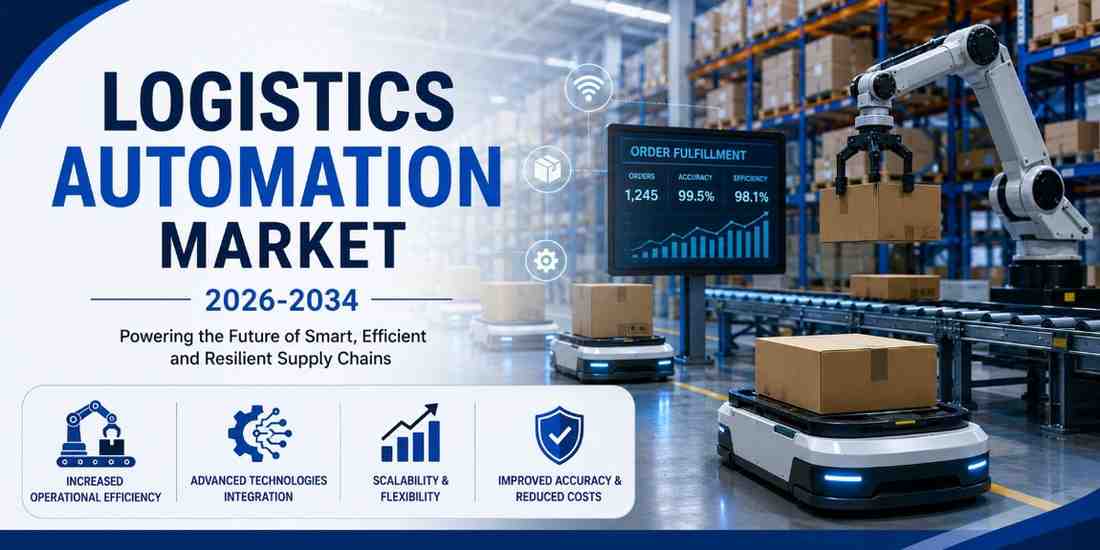
Smart logistics solutions combine hardware, software, and networking. They include cameras, servers, switches, dashboards, and analytics engines.
Cybersecurity challenges arise because:
A weakness in any layer can affect the entire logistics operation.
In smart logistics, data flows between warehouses, factories, and enterprise systems. Inventory levels, dispatch schedules, and safety alerts are shared in real time.
Without proper controls:
Cybersecurity becomes a business continuity issue, not just a technical one.
List all cameras, analytics servers, dashboards, and connected endpoints.
Separate video analytics systems from core factory control networks.
Ensure unique credentials, role-based access, and strong authentication for all video systems.
Watch for unusual data flows or access patterns within analytics platforms.
Security controls should support operations, not disrupt them. Planned updates and audits reduce risk without downtime.
Cyber incidents in logistics environments can lead to:
Because logistics systems operate continuously, even short disruptions have visible impact.
They are network-connected, data-rich, and often under-secured compared to traditional IT systems.
Yes. Surveillance systems should not share unrestricted access with operational or enterprise networks.
It requires more discipline because speed and availability are prioritized, but proper configuration makes it manageable.
Warehouses often have more entry points, mobile equipment, and third-party access, increasing exposure.
Yes. Most improvements involve configuration, access control, and monitoring rather than hardware replacement.
Connected factories now extend into smart warehouses and logistics hubs. As video analytics becomes central to operations, cybersecurity must evolve with it. Protecting these systems is not about slowing innovation. It is about ensuring that visibility, automation, and efficiency remain assets rather than risks.

© 2025 Crivva - Hosted by Airy Hosting Managed Website Hosting.