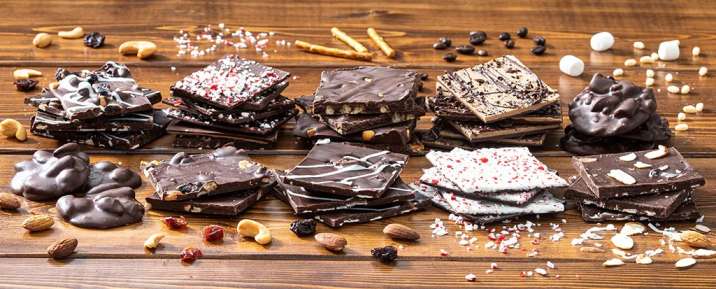
Chocolate has long held a special place in human culture, balancing indulgence with craftsmanship. From ancient cacao rituals to today’s refined treats, the journey of chocolate reflects innovation, artistry, and evolving tastes. Among its many forms, confectionery chocolate stands out for its versatility and mass appeal. Whether molded into bars, infused with fillings, or crafted into decorative sweets, this category represents both tradition and modern food science. Understanding how it is made, what differentiates quality, and how consumer trends are shaping the industry offers valuable insight for chocolate lovers and curious readers alike.
What Defines Confectionery Chocolate?
Confectionery chocolate refers to chocolate products specifically designed for sweets and candy-making. Unlike single-origin or artisan chocolate focused purely on flavor terroir, confectionery varieties prioritize consistency, texture, and broad appeal. They are engineered to melt smoothly, hold their shape, and pair well with other ingredients such as caramel, nuts, or fruit fillings.
The balance of cocoa solids, cocoa butter, sugar, and milk (for milk chocolate) is carefully calibrated. This ensures predictable performance during molding, enrobing, and packaging. As a result, confectionery chocolate plays a crucial role in large-scale production while still offering satisfying taste and mouthfeel.
The Chocolate-Making Process Explained
Cacao Sourcing and Fermentation
Everything begins with cacao beans harvested from tropical regions. After extraction from cacao pods, beans undergo fermentation, a critical step that develops flavor precursors. Proper fermentation influences bitterness, acidity, and aroma.
Roasting and Grinding
Roasting enhances flavor complexity and reduces moisture. Beans are then cracked and ground into cocoa liquor, forming the base of all chocolate products. At this stage, chocolatiers decide how much cocoa butter to retain or add, depending on the desired texture.
Refining and Conching
Refining reduces particle size for smoothness, while conching aerates the mixture, further developing flavor and removing unwanted acidity. For Confection Chocolate, this stage is especially important to achieve a silky consistency that performs well in molds and coatings.
Flavor Profiles and Popular Variations
Confectionery chocolate is available in dark, milk, and white varieties, each offering distinct characteristics:
-
Dark chocolate provides a bold cocoa flavor and pairs well with fruit or spice notes.
-
Milk chocolate delivers creaminess and sweetness, making it a favorite for filled candies.
-
White chocolate, though cocoa-solid-free, offers a rich, buttery base for vanilla or citrus flavors.
Manufacturers often enhance these bases with inclusions like hazelnuts, crisped rice, or flavored ganaches, expanding the sensory experience without compromising structural integrity.
Quality Indicators Consumers Should Know
While confectionery chocolate is mass-produced, quality still matters. Key indicators include:
-
Smooth texture without grittiness
-
Clean snap when broken
-
Balanced sweetness, not overpowering cocoa notes
-
Proper melt, smooth and even on the palate
Brands that emphasize ingredient sourcing and precise processing tend to deliver superior results. For example, Chocolate Emporium has built recognition by focusing on refined formulations that balance flavor and consistency without excessive additives.
Health and Nutrition Considerations
Chocolate is often associated with indulgence, but it can also offer nutritional benefits when consumed in moderation. Cocoa contains antioxidants known as flavonoids, which may support heart health. However, confectionery chocolate typically contains added sugars and fats, so portion control is essential.
Many manufacturers now offer reduced-sugar or plant-based alternatives to meet changing dietary preferences. These innovations allow consumers to enjoy familiar flavors while aligning with personal health goals.
Trends Shaping the Confectionery Chocolate Market
Sustainability and Ethical Sourcing
Modern consumers increasingly care about where their chocolate comes from. Ethical cacao sourcing, fair labor practices, and environmentally responsible farming are becoming standard expectations rather than niche features.
Flavor Experimentation
From chili-infused dark chocolate to salted caramel milk chocolate, bold flavor combinations are driving renewed interest. Seasonal and limited-edition offerings also keep consumers engaged.
Clean Labels and Transparency
Simpler ingredient lists and transparent labeling appeal to shoppers seeking authenticity. This trend encourages manufacturers to refine recipes without unnecessary fillers.
Texture is one of the most overlooked yet critical aspects of chocolate enjoyment. A smooth surface, a gentle snap, and a clean melt all contribute to how consumers perceive quality. In confectionery applications, texture consistency is essential because products often combine chocolate with wafers, nougat, or liquid centers.
Manufacturers carefully control temperature and viscosity during production to avoid defects such as bloom or uneven coatings. When done correctly, the result is a product that feels indulgent while maintaining shelf stability and visual appeal.
Chocolate Pairings That Elevate Flavor
Pairing chocolate with complementary ingredients enhances both taste and aroma. Popular pairings include:
-
Fruits: Raspberry, orange, and cherry add acidity and brightness
-
Nuts: Almonds, pistachios, and hazelnuts provide crunch and richness
-
Spices: Cinnamon, cardamom, and chili create warmth and complexity
-
Caramel and toffee: Add sweetness and contrast to cocoa bitterness
These combinations are carefully tested to ensure flavors remain balanced rather than overpowering, especially in mass-market confections where broad appeal matters.
Packaging and Shelf Life Considerations
Packaging plays a vital role in preserving freshness and flavor. Exposure to heat, light, and humidity can degrade chocolate quality over time. Modern packaging solutions focus on:
-
Moisture barriers to prevent sugar bloom
-
Light-resistant materials to protect cocoa butter
-
Resealable designs for consumer convenience
Shelf life optimization allows products to retain taste and texture while meeting retail distribution requirements.
How Consumer Preferences Are Changing
Today’s chocolate consumers are more informed and selective. Purchasing decisions are influenced by:
This shift has encouraged manufacturers to innovate while maintaining the comforting familiarity that chocolate lovers expect.
Conclusion
Confectionery chocolate represents a harmonious blend of culinary art and food science. Its ability to deliver consistent quality, diverse flavors, and widespread enjoyment makes it a cornerstone of the global chocolate industry. By understanding how it is made, what defines quality, and where the market is headed, consumers can make more informed and satisfying choices. Whether enjoyed as a simple treat or part of a complex dessert, confectionery chocolate continues to evolve while maintaining its timeless appeal.
Chocolate in Gifting and Celebrations
Chocolate has long been associated with gifting, holidays, and celebrations. Its universal appeal makes it suitable for a wide range of occasions, from personal treats to corporate gifts. Seasonal assortments and themed collections help brands stay relevant throughout the year while meeting emotional and cultural expectations tied to chocolate consumption.
Final Thoughts
The world of confectionery chocolate is far more complex than it appears at first glance. Behind every smooth bite is a carefully engineered process that balances flavor, texture, stability, and consumer expectations. As trends continue to evolve toward sustainability, transparency, and creative flavor combinations, this category remains both timeless and adaptable. By appreciating the craftsmanship and innovation involved, consumers can enjoy chocolate not just as a treat, but as a thoughtfully created experience.