


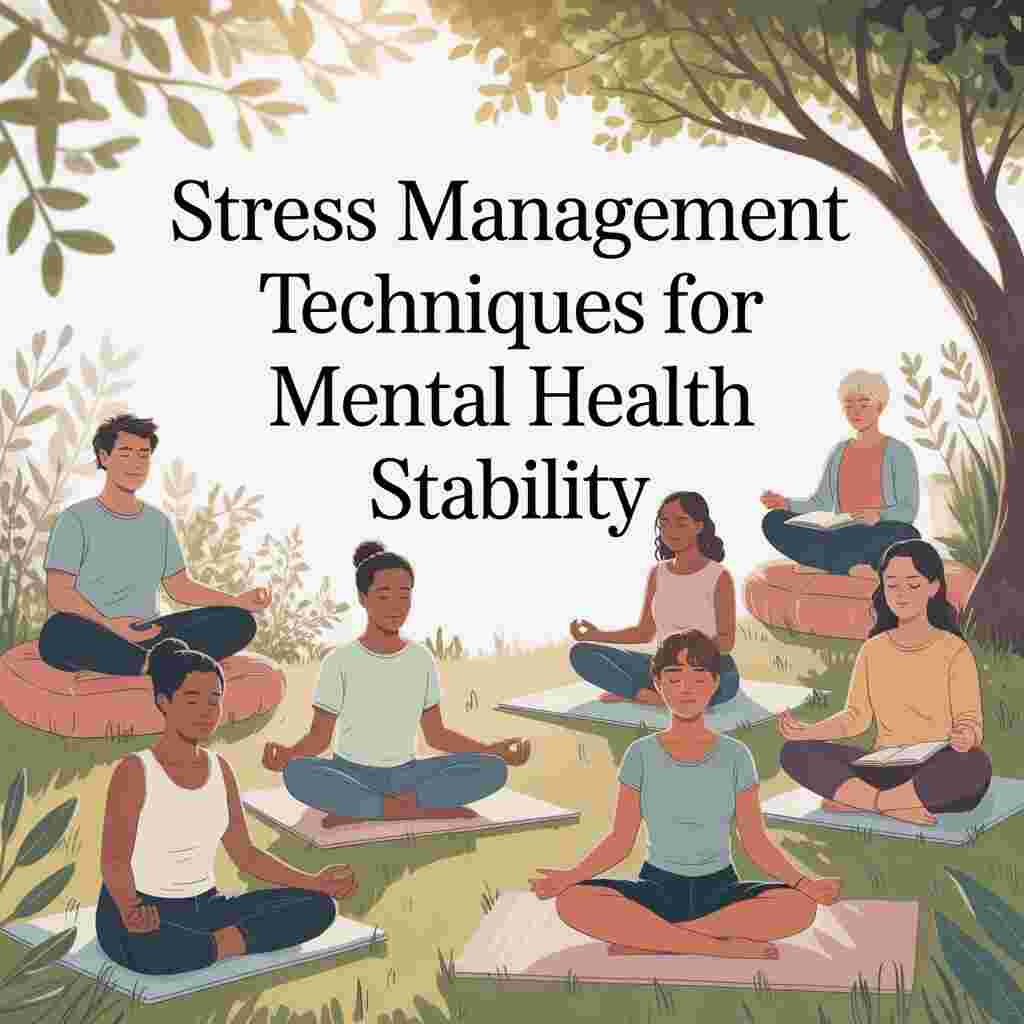
In a world where deadlines, responsibilities, and uncertainties constantly compete for our attention, stress has become a nearly universal experience. What once might have been a temporary emotional response has grown into a persistent force affecting emotional regulation, cognitive function, and overall mental health stability. Across populations, individuals increasingly seek strategies that not only reduce stress but also support long‑term psychological wellness. In response, stress management techniques have emerged as powerful tools that strengthen resilience and promote mental health stability.
Understanding the intertwined relationship between stress and mental health is critical. Research shows that unmanaged stress can escalate into chronic anxiety, depressive symptoms, burnout, and even physiological health problems. Stress triggers the release of cortisol and other stress hormones that, when elevated over time, impair emotional balance and cognitive clarity. The good news is that evidence‑based stress relief approaches — such as mindfulness practices, cognitive behavioral therapy, and self‑care strategies — are proven to reduce stress and enhance mental wellbeing when applied consistently.
In this article, we’ll explore how stress management techniques contribute to stability in mental health, the science behind their effectiveness, and practical ways individuals can adopt these strategies in daily life.
Stress is a natural psychological and physical response to perceived demands or threats. In small doses, stress can sharpen focus and motivate action. However, chronic stress — the kind that lingers day after day — affects brain chemistry and emotional functioning. When stress becomes persistent, it increases vulnerability to anxiety, depression, sleep disruption, and emotional dysregulation.
Studies show that individuals who do not manage stress effectively are more likely to experience emotional instability and reduced quality of life. Chronic stress gradually weakens mental resilience, leaving individuals more reactive to daily pressures and less able to regulate mood.
Because stress impacts both mind and body, effective stress management techniques must address psychological, behavioral, and physiological factors. Successful strategies enhance emotional regulation and build lifelong coping skills that reinforce mental stability.
Many stress management techniques are grounded in psychological science. Two of the most researched approaches are cognitive behavioral therapy (CBT) and mindfulness practices.
Cognitive behavioral strategies help individuals identify negative thought patterns that intensify stress and replace them with adaptive thinking. By restructuring cognitive responses to stressors, people can reduce anxiety and improve emotional regulation. Research shows that cognitive approaches significantly diminish perceived stress levels and enhance resilience and coping skills over time.
Mindfulness practices — such as mindful breathing, meditation, and focused attention exercises — train the brain to remain present and observe thoughts without judgment. These practices reduce rumination and anxiety by quieting the stress response. Scientific evidence supports the positive effects of mindfulness on emotional balance, stress hormone regulation, and overall mental wellbeing.
Collectively, these approaches empower individuals to manage their internal reactions to stressors instead of reacting instinctively, promoting long‑term stability and emotional control.
One of the most significant benefits of structured stress management techniques is their ability to reduce anxiety levels. Regular use of mindfulness practices and cognitive strategies helps calm the nervous system and prevent stress from escalating into panic reactions or chronic worry. Over time, individuals become more adept at recognizing stress triggers, which supports emotional stability even in high‑pressure environments.
Techniques that focus on mindful awareness and cognitive reframing improve emotional regulation. When individuals learn to pause, reflect, and respond intentionally to stressors, they protect their mental health from impulsive reactions that can lead to emotional volatility. Emotional regulation is a cornerstone of mental health stability, allowing individuals to navigate challenges with balance and awareness.
Resilience — the ability to recover quickly from difficulties — is strongly linked to stress management practices. People who regularly engage in stress relief strategies build psychological muscles that help them adapt to change, withstand future stressors, and bounce back from emotional setbacks. These skills are essential for maintaining long‑term mental health stability in the face of life’s ups and downs.
Stress doesn’t just affect the mind — it has measurable effects on the body. Chronic stress can disrupt sleep patterns, weaken the immune system, and increase the risk of health issues such as high blood pressure. Stress management techniques, particularly mindfulness and relaxation exercises, have been shown to lower physiological stress markers and improve sleep quality, which in turn reinforces mental stability.
No matter your age, profession, or lifestyle, there are effective ways to incorporate stress management into daily routines. Here are practical and research‑supported techniques:
Allocate time each day — even just 10 minutes — to mindful breathing or meditation. These practices help cultivate presence and reduce repetitive stress responses.
Physical activity from walking and yoga to more vigorous workouts helps regulate stress hormones and releases endorphins that elevate mood and energy.
Writing down thoughts and emotions can clarify stress triggers and illuminate patterns that contribute to emotional distress. Journaling supports cognitive processing and emotional release.
Consistent, restful sleep is vital for stress resilience. Good sleep hygiene — such as reducing screen time before bed and maintaining a steady sleep schedule — has profound benefits for mental health stability.
Eating nutrient‑rich foods supports brain function and reduces physiological stress responses. A balanced diet plays a supporting role in emotional balance and overall wellbeing.
Engaging in meaningful relationships and community activities provides emotional validation and shared coping experiences. Social support is a key component of long‑term mental health stability.
Stress affects individuals differently depending on life contexts — from work environments and academic pressures to family responsibilities and health challenges.
Workplace stress is one of the most prominent sources of chronic stress for many adults. Burnout — characterized by emotional exhaustion and reduced performance — decreases mental wellbeing and productivity. Organizations that implement workplace mental health strategies and encourage stress management practices help employees sustain emotional balance and resilience.
Students encounter academic demands, social pressures, and future uncertainties that contribute to stress. Early adoption of stress management techniques, such as mindfulness and time management, helps young people build resilience and maintain emotional regulation during formative years.
In high‑stress professions like healthcare, first responders, and education, practitioners are especially vulnerable to chronic stress. Regular practice of stress relief techniques supports emotional stability, reduces anxiety, and reinforces professional focus and compassion.
Despite the clear benefits, many individuals struggle to adopt and maintain stress management practices. Common barriers include:
Busy schedules often lead individuals to deprioritize self‑care. However, stress management doesn’t require large time investments — even short, consistent practices can yield measurable benefits.
Staying committed to new habits can be challenging. Establishing structured routines and tracking progress increases long‑term adherence.
While some stress management programs may seem inaccessible, many effective techniques — such as mindfulness and journaling — are low‑cost and widely available through self‑guided resources.
Mental health care continues to evolve with societal needs. Several trends are shaping how people approach stress management today:
Apps and online platforms offering guided meditation, mood tracking, and cognitive‑behavioral modules are increasingly popular. These tools give individuals flexible access to stress relief strategies tailored to personal needs.
People are embracing wellness practices beyond conventional therapy, including movement, sleep optimization, and community support. This holistic view reinforces mental health stability through multiple lifestyle factors.
Rather than balancing work and personal life as opposing forces, many organizations and individuals now seek sustainable integration that prioritizes mental wellbeing alongside productivity.
The connection between stress and mental health is undeniable — unmanaged stress weakens emotional balance, contributes to anxiety and burnout, and undermines overall wellbeing. However, by adopting stress management techniques such as mindfulness practices, cognitive behavioral strategies, physical activity, and emotional regulation skills, individuals can strengthen resilience, reduce anxiety, and maintain long‑term mental stability.
Today’s world demands not just survival but emotional thriving. When stress is met with intentional strategies and proactive habits, it becomes manageable rather than overwhelming. Embracing effective stress management techniques empowers individuals to build stable mental health foundations that support clarity, balance, and wellbeing throughout life.

© 2025 Crivva - Hosted by Airy Hosting Managed Website Hosting.