


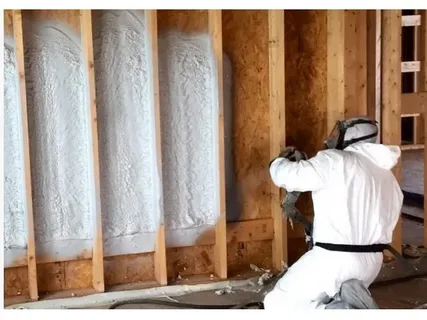
Spray foam wins the longevity battle by a wide margin, often lasting for the entire life of your building without needing replacement. While traditional materials eventually sag, settle, or lose their thermal properties, closed-cell foam maintains its structure and airtight seal for decades. Comparing Spray Foam vs Blown-In Insulation shows that while both help manage home temperatures, their lifespans and long-term performance differ significantly.
This guide provides a detailed look at how different materials hold up against moisture, pests, and time. Industry experts consistently see that high-quality installations protect structures better than cheaper, temporary fixes. You will learn which option provides the best return on investment for your specific property and climate needs.
Spray foam creates a permanent bond with the surfaces it touches, so it does not shift or compress over the years. Most manufacturers suggest it can last 80 years or more under normal conditions. This makes it a one-time investment for most homeowners who want to avoid future maintenance.
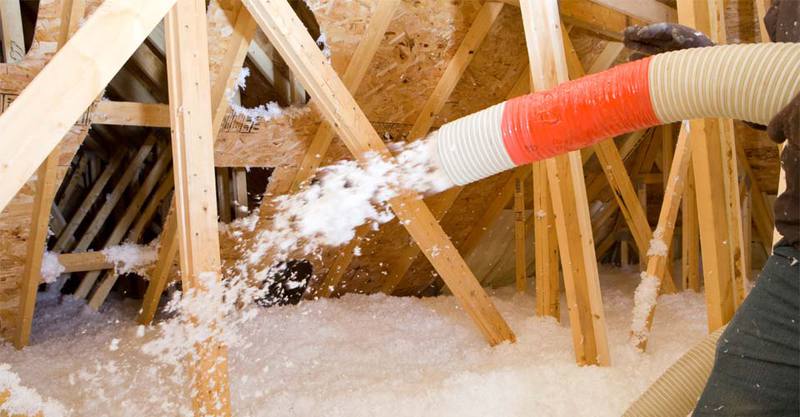
Blown-in materials like cellulose or fiberglass generally have a shorter lifespan of 20 to 30 years. Over time, gravity causes these materials to settle, creating gaps at the top of wall cavities or attic spaces. This settling reduces the overall R-value and requires periodic additions of material to maintain efficiency.
Moisture is the enemy of thermal protection, and how a material handles humidity determines its true lifespan. Closed-cell spray foam acts as a vapor barrier, preventing moisture from moving through your walls and reducing the risk of rot. It does not absorb water, so even a minor roof leak won’t necessarily ruin the material.
Blown-in options are highly susceptible to moisture. Fiberglass can trap dampness, leading to sagging and a loss of thermal resistance. Cellulose, though treated with fire retardants, is essentially ground-up paper and can become a breeding ground for mold if it gets wet, often requiring complete removal.
Even the best materials fail if the building cannot breathe correctly. While foam seals tightly, ensuring your attic has proper exhaust prevents heat buildup that could affect other roofing components over several decades.
Bonus Tip: If you live in a high-humidity area, choosing a material that resists moisture is more important than the initial cost, as it prevents structural rot.
In regions with harsh winters or scorching summers, the seal matters as much as the thickness. Because Spray Foam vs Blown-In Insulation comparisons often focus on R-value, people forget about air leakage. Foam expands to fill every tiny crack, stopping drafts that blown-in materials simply cannot block.
Blown-in insulation works by trapping air, but it allows air to pass through if there is a pressure difference. This means that during a windstorm, your attic insulation might not perform at its rated capacity. Professional spray foam insulation services ensure that the building envelope is tight, keeping conditioned air where it belongs.
Mice, rats, and insects look for soft, fluffy materials to build nests. Blown-in fiberglass and cellulose are perfect environments for these pests to burrow and reproduce. Once an infestation occurs, the waste left behind ruins the material and creates health hazards for those living inside.
Spray foam cures into a hard, plastic-like substance that offers no food value to pests. It is difficult to chew through and provides no nesting comfort. By sealing entry points during the application, a spray foam contractor effectively blocks the pathways pests use to enter your home.

The settling of loose-fill materials is a natural result of gravity and vibration. Small movements in your home, caused by wind or nearby traffic, shake the loose fibers down. As they pack tighter at the bottom, the top of your wall or the peaks of your attic become exposed.
This creates gaps where heat escapes easily. When evaluating Spray Foam vs Blown-In Insulation, you must account for the fact that you will likely need to top off blown-in products every decade to keep the same level of comfort. Foam avoids this cycle entirely by remaining rigid.
During the framing stage of a new build, applying foam is highly efficient. It allows builders to create a high-performance home with thinner walls because the R-value per inch is so high. It also helps dampen sound, making for a quieter indoor environment.
For existing homes with closed walls, blown-in material is often the standard choice because it can be injected through small holes. Every property is different, so looking at the specific needs of your building is the best way to determine the right path forward.
Bonus Tip: Always check for local utility rebates, as many cities offer financial incentives for upgrading to high-efficiency foam options.
Farmers and ranch owners often struggle with condensation in metal buildings and barns. Traditional fiberglass batts or blown-in options often sag or get soaked by sweating metal. This is why many agricultural operations have moved toward foam applications.
A professional spray foam contractor can apply the material directly to metal or wood surfaces, instantly stopping condensation. This protects expensive equipment from rust and keeps livestock at a stable temperature, which can improve overall productivity and health.
While some home projects are DIY-friendly, insulation is rarely one of them. Achieving the right chemical mix and thickness with foam requires specialized equipment and training. Improperly mixed foam can result in odors or poor adhesion, ruining the longevity benefits.
Blown-in material must be distributed evenly to avoid thin spots. Professional installers use high-volume machines that ensure the density is correct, preventing premature settling. Choosing a reputable provider ensures the job meets local building codes and performance standards.
Deciding between materials requires looking at your long-term plans for the property. If you plan to stay in your home or run your business in the same building for decades, the durability of spray foam is hard to beat. It eliminates the need for future upgrades and provides superior protection against the elements. If initial costs are the primary concern and the space is well-ventilated, blown-in options remain a functional choice. Always weigh the maintenance needs of each material against your current budget to make the smartest choice for your comfort.
Selecting the right material can be a complex process, but you do not have to make the choice alone. Companies like Summit Thermal Solutions specialize in a wide range of options, from Blown-In Insulation services to advanced foam applications. Whether you need help with a residential attic, a commercial warehouse, or a specialized agricultural project, they offer the expertise to ensure your building remains efficient for years. You can reach out to them at (573) 889-3512 or via email at [email protected] for a free quote. Their team handles everything from Insulation Removal to new installations, helping you find the perfect balance between cost and long-term performance.
Under normal conditions, spray foam does not need replacement. It is a permanent solution that remains effective for the life of the building as long as it is not physically damaged or exposed to constant UV light.
Most experts recommend checking your attic every 5 to 10 years. If you notice the material has settled below the floor joists or if your energy bills are rising, it may be time to add a fresh layer.
Yes, it can be used in older homes, but it requires careful planning. A professional will check the structural integrity and moisture levels before application to ensure the house remains breathable where necessary.
You can sometimes add blown-in material over existing fiberglass batts to increase R-value. However, you should never spray foam over wet or moldy insulation; the old material must be removed first to ensure a clean seal.
Both options help with noise, but open-cell spray foam is particularly effective at absorbing sound waves. Blown-in cellulose also provides better sound dampening than standard fiberglass batts due to its density.

© 2025 Crivva - Hosted by Airy Hosting Managed Website Hosting.