

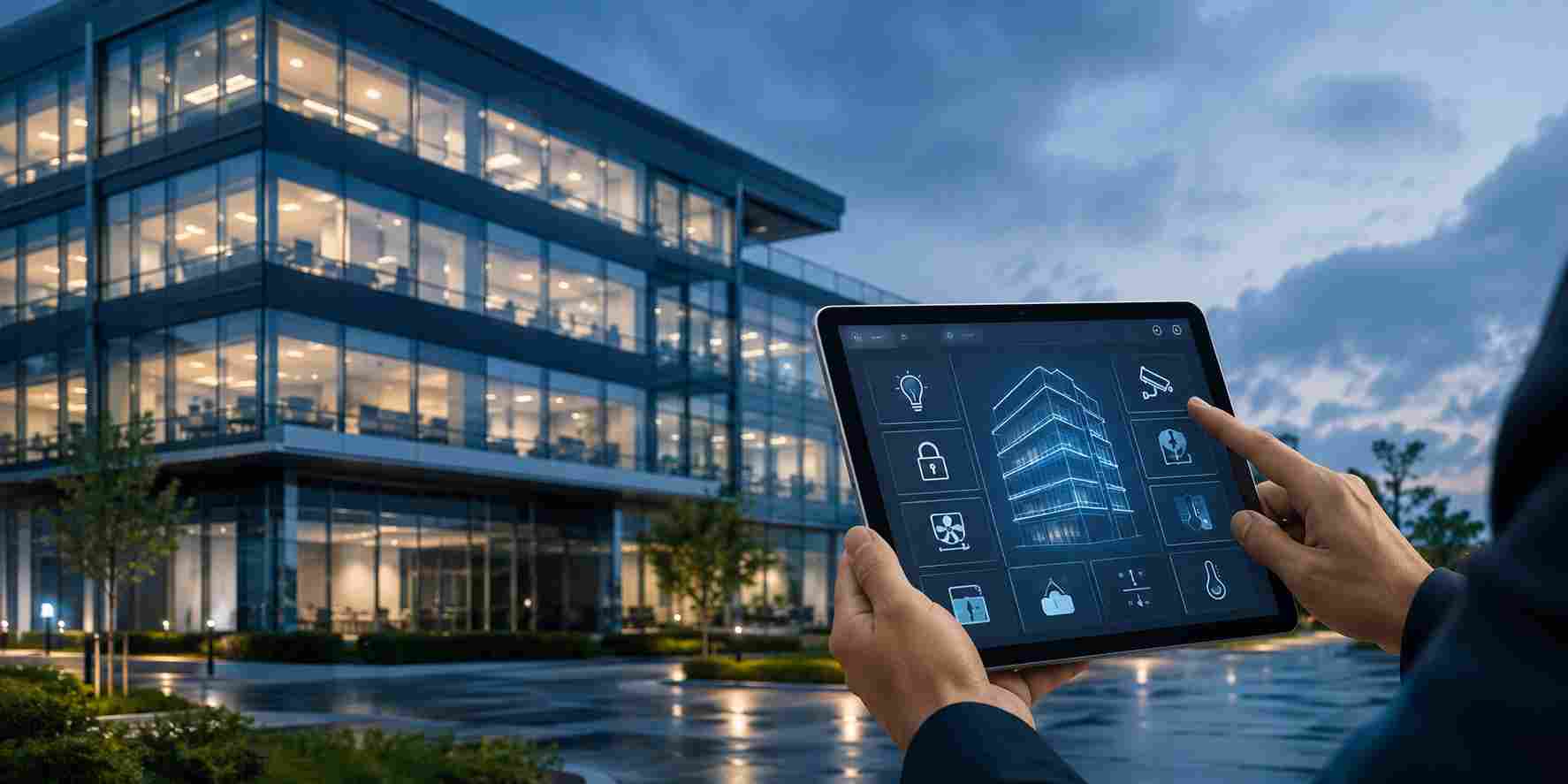
South East Asia Building Automation is becoming closely linked with smarter infrastructure as buildings across the region move toward connected, energy-efficient, and safer operating models. From commercial towers and hospitals to residential complexes and industrial facilities, automation systems are helping owners manage lighting, HVAC, security, fire safety, and energy usage through centralized digital control. The shift reflects a broader need for buildings that can respond intelligently to occupant comfort, operating costs, and sustainability goals.
Building automation refers to the use of advanced systems and digital technologies to control different building functions such as ventilation, cooling, heating, lighting, access control, energy monitoring, and facility operations. In Southeast Asia, this approach is becoming more relevant as cities expand, commercial activity increases, and property owners face rising pressure to improve building performance.
Urban centers in Singapore, Malaysia, Indonesia, Thailand, Vietnam, and the Philippines are witnessing growing demand for smarter real estate assets. Commercial buildings, hotels, malls, hospitals, offices, residential towers, and data centers require efficient systems that can reduce manual intervention while improving safety and comfort. Automation supports this need by connecting building equipment to sensors, controllers, software dashboards, and analytics platforms.
The region’s infrastructure expansion is also encouraging the adoption of smart building technologies. As new construction and retrofit projects increase, automation is being considered not only as a technology upgrade but also as a practical tool for long-term energy management. This is particularly important in tropical climates, where cooling systems account for a significant portion of building energy use.
According to MarkNtel Advisors, the Southeast Asia Building Automation sector is estimated to grow at a CAGR of around 6.12% during 2025–2030. The demand is being supported by rapid urbanization, energy efficiency needs, smart city initiatives, IoT integration, artificial intelligence, data analytics, and the growing adoption of smart homes across the region.
These systems are gaining importance because they allow buildings to operate with greater visibility and control. Facility teams can monitor equipment performance, detect faults, schedule maintenance, and adjust energy use based on occupancy or demand. Instead of relying only on manual checks, automated platforms provide real-time insights that help reduce waste and improve operational reliability.
Building Energy Management systems are receiving strong attention because they help optimize energy consumption and reduce operating expenses. These systems use sensors and cloud-based platforms to track real-time data related to equipment use, occupancy behavior, and energy performance. For property managers, this creates a more informed way to manage costs while supporting sustainability targets.
Energy efficiency is one of the most important reasons behind the adoption of building automation in Southeast Asia. Rising energy prices and higher operational costs are encouraging building owners to invest in systems that can monitor and optimize electricity use. Automation can support functions such as demand-based cooling, smart lighting control, equipment scheduling, and predictive maintenance.
In commercial facilities, automation can reduce unnecessary energy consumption by adjusting lighting and HVAC systems according to occupancy levels. In hotels, it can improve guest comfort while controlling energy use in rooms and public areas. In hospitals, automation helps maintain indoor air quality, temperature control, access security, and emergency systems. In industrial buildings, it supports equipment monitoring and safer facility operations.
According to the International Energy Agency, buildings are a major area for improving energy efficiency, and digital controls can help reduce energy use while supporting cleaner and more efficient operations.
The role of automation is also expanding in retrofit projects. Many existing buildings in Southeast Asia were developed before smart technologies became common. Upgrading these facilities with modern sensors, controllers, and software can help owners improve performance without rebuilding the entire structure. This makes automation relevant for both new developments and older properties.
Smart city development is shaping how building automation is used across Southeast Asia. As governments promote digital infrastructure, sustainable urban planning, and better public services, buildings are becoming part of a larger connected ecosystem. Automated buildings can interact with energy networks, transport systems, utilities, and city-level data platforms.
Singapore has become an important regional example due to its focus on smart buildings, digital infrastructure, sustainability, and green building practices. The country’s strong connectivity, real estate development, and Smart Nation approach have created favorable conditions for building automation systems. Commercial offices, data centers, healthcare facilities, and education buildings are among the areas where automation can support efficiency and decarbonization efforts.
Malaysia, Thailand, Vietnam, Indonesia, and the Philippines are also seeing interest in intelligent building systems due to urban expansion and infrastructure investment. As businesses modernize their facilities, automation is being used to improve comfort, reduce resource use, and support compliance with building performance requirements.
According to the United Nations Environment Programme, buildings and construction are central to climate and resource-efficiency efforts, making energy-efficient infrastructure an important part of sustainable urban development.
Green building regulations and sustainability roadmaps are also influencing adoption. Governments and private developers are placing greater emphasis on energy-efficient design, environmental certification, and digital monitoring. Building automation helps property owners measure and manage these goals through data-based control systems.
Despite the benefits, building automation adoption faces several barriers in Southeast Asia. High initial investment remains one of the main challenges. Automation systems often require sensors, controllers, actuators, wiring or wireless networks, software platforms, and integration with existing building equipment. For small businesses or budget-sensitive property owners, these costs can slow adoption.
Integration can also be complex. Many buildings use older mechanical and electrical systems that may not easily connect with modern automation platforms. Retrofitting such buildings may require upgrades, system compatibility checks, skilled technicians, and phased implementation. This can increase project timelines and make decision-making more difficult for owners.
Another challenge is the need for trained facility teams. Automation systems generate large volumes of data, but their value depends on how effectively building managers use that information. Without proper training, dashboards and alerts may not translate into better decisions. This makes technical support, user training, and long-term maintenance important parts of successful deployment.
According to the International Organization for Standardization, structured standards for building automation and control systems support interoperability, reliability, and consistent system performance across connected building environments.
Cybersecurity is another area that requires attention. As building systems become connected through IoT devices, cloud platforms, and remote access tools, facility operators must protect networks from unauthorized access. Strong security design, regular updates, access controls, and vendor accountability are becoming necessary for safe digital building operations.
Several system categories are shaping building automation across Southeast Asia. Security and Access Control systems help manage entry points, visitor movement, surveillance, and restricted areas. These tools are increasingly important for offices, residential towers, hospitals, and industrial sites where safety and controlled access are priorities.
Building Energy Management systems focus on monitoring and reducing energy use. They help facility managers identify inefficient equipment, track consumption patterns, and adjust building operations according to real-time demand. These systems are especially valuable in commercial facilities where HVAC, lighting, and equipment loads can be significant.
Building Management Software provides centralized control for multiple building functions. Facility teams can use such platforms to monitor alarms, equipment performance, maintenance schedules, and environmental conditions. This improves visibility across complex properties and supports faster response to operational issues.
Fire Protection systems also remain a key part of smart building infrastructure. Automated fire detection, alarms, emergency communication, and system integration can improve building safety. When connected with access control and ventilation systems, fire protection tools can support more coordinated emergency response.
Wireless control technologies are also becoming more relevant because they can reduce installation complexity in retrofit projects. Wired systems remain important for reliability in large facilities, but wireless solutions offer flexibility for buildings where major structural changes are difficult or costly.
The commercial sector plays a major role in building automation adoption across Southeast Asia. Offices, malls, hotels, hospitals, restaurants, entertainment venues, and retail spaces often have large and complex systems that require continuous energy use. Automation helps these facilities manage comfort, lighting, security, cooling, and maintenance more efficiently.
Hotels can use automation to balance guest comfort with energy savings. Room controls, occupancy sensors, lighting automation, and HVAC scheduling can reduce energy waste without affecting service quality. Shopping malls can use centralized systems to manage lighting, ventilation, security, escalators, and emergency systems across large spaces.
Hospitals and healthcare facilities require reliable indoor environments, controlled access, clean air, and uninterrupted operations. Building automation can support these needs through air quality monitoring, temperature control, equipment alerts, and energy management. In data centers, automation becomes even more critical because cooling, power reliability, and environmental monitoring are central to operations.
Residential buildings are also becoming more connected. Smart lighting, app-based controls, security systems, energy monitoring, and automated climate control are increasingly being adopted in urban homes and apartment complexes. Rising living standards and demand for convenience are supporting this shift.

© 2025 Crivva - Hosted by Airy Hosting Managed Website Hosting.