If you have ever stood beside a quiet pond early in the morning and noticed the water looking still, almost sleepy, you already understand why pond aerators matter. Pond aerators are one of those tools that seem simple at first glance, but once you see what they actually do for water clarity, fish health, and overall pond balance, you realize they are not optional. They are essential. I learned this the hard way with my own backyard pond, and trust me, it was a lesson I will never forget.
Years ago, I built a small decorative pond in my yard. It looked beautiful at first. Crystal clear water, a few koi swimming peacefully, and water lilies floating like something out of a painting. But within a few months, the water turned cloudy. Then green. Then came the smell. I tried cleaning it, adding treatments, even replacing part of the water. Nothing worked long term. The real issue was oxygen. The pond was suffocating, and I did not even realize it. That was when I discovered how powerful proper aeration could be.
Let us break it down in a practical and easy way so you can avoid the mistakes I made and build a healthier pond from the start.
Why Pond Aerators Are Essential for Every Pond
Water without movement becomes stagnant. Think about a glass of water sitting on a table for days compared to a flowing stream in nature. The difference is obvious. Flowing water feels alive. Stagnant water feels tired.
Pond aerators work by increasing oxygen levels in the water. Oxygen is not just for fish. It supports beneficial bacteria that break down organic waste like leaves, fish waste, and debris. Without enough oxygen, harmful bacteria take over, leading to murky water, algae blooms, and unpleasant smells.
When I finally installed an aeration system in my pond, the change was almost dramatic. Within weeks, the water became clearer. The fish were more active. Even the smell disappeared. It felt like the pond could finally breathe.
Oxygen does three major things in a pond:
It keeps fish healthy and reduces stress.
It supports beneficial bacteria that clean the water naturally.
It prevents stratification, which is when layers of water separate and trap harmful gases at the bottom.
If you imagine your pond as a small ecosystem, oxygen is the fuel that keeps everything running smoothly. Without it, the entire system struggles.
How Pond Aerators Improve Water Quality
One of the biggest misconceptions I had was thinking that a filter alone was enough. Filters remove debris, yes. But they do not always circulate water deeply or provide enough oxygen throughout the entire pond.
Aeration systems create circulation. That circulation ensures that oxygen reaches the bottom layers of the pond. When bottom water receives oxygen, it prevents the buildup of toxic gases like ammonia and hydrogen sulfide. These gases can harm fish and create that rotten smell many pond owners complain about.
I remember testing my pond water before installing aeration. The oxygen levels were shockingly low. After adding aeration, those numbers improved significantly. It was like upgrading from a stuffy room to fresh mountain air.
Clear water is not just about appearance. It reflects balance. When oxygen levels are stable, algae growth often becomes easier to manage because beneficial bacteria compete more effectively for nutrients.
Different Types of Pond Aerators
Not all aeration systems are the same. Choosing the right one depends on pond size, depth, and purpose. Let me walk you through the main types in simple terms.
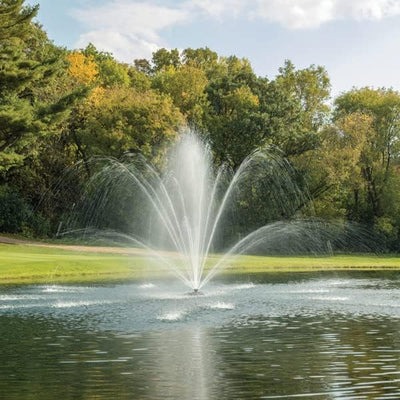
Surface aerators create movement at the top of the water. You often see fountains that spray water into the air. They look beautiful and help increase oxygen near the surface. They are great for decorative ponds where aesthetics matter.
Diffused aeration systems work differently. They sit at the bottom of the pond and release tiny air bubbles that rise to the surface. As these bubbles travel upward, they move water with them, creating full circulation from bottom to top. For deeper ponds, this method is usually more effective.
Solar powered aeration systems are becoming increasingly popular. They use sunlight instead of electricity. If your pond is in an area with strong sun exposure, this can be an energy efficient option.
When I upgraded my system, I chose a bottom diffused setup because my pond was deeper than I originally thought. The improvement in overall circulation was noticeable almost immediately.
Choosing the Right Pond Aerators for Your Needs
Selecting the right system does not have to be complicated. Start with these simple considerations.
First, measure your pond accurately. Surface area and depth both matter. A small shallow garden pond needs less power than a large fish pond.
Second, think about your goal. Are you trying to improve fish health? Control algae? Eliminate odor? Or all of the above?
Third, consider noise levels. Some air pumps are quieter than others. If your pond is close to your house, this matters more than you might think. I once bought a pump that sounded like a distant lawn mower. Lesson learned.
Finally, check maintenance requirements. Some systems require regular cleaning of diffusers or filters. Make sure you choose something you can realistically maintain.
Seasonal Benefits of Pond Aerators
Aeration is not only important in summer. In winter, it can be lifesaving for fish.
During colder months, ponds can freeze over. When the surface freezes completely, gases get trapped underneath. Oxygen levels drop, and fish can suffocate. Aeration keeps a small opening in the ice, allowing gas exchange to continue.
In summer, oxygen levels naturally decrease as water temperatures rise. Warm water holds less oxygen. That means fish need even more support during hot months. Proper aeration helps maintain stable oxygen levels even during heat waves.
I remember one particularly hot summer when neighbors complained about fish losses. My pond remained stable because I had already installed an effective aeration system. That moment alone justified the investment.
Common Mistakes Pond Owners Make
Let me be honest. I made several of these myself.
Ignoring oxygen levels is the biggest mistake. Many people only react once problems appear. By then, fish are stressed, algae has taken over, and the water smells unpleasant. Prevention is always easier than recovery.
Another mistake is undersizing the system. Buying a smaller, cheaper unit might save money initially, but it often fails to provide adequate circulation. It is better to choose a system slightly more powerful than you think you need.
Some owners also turn off aeration at night to save electricity. This can actually cause oxygen levels to drop when plants stop producing oxygen after sunset. Consistency is key.
The Long Term Value of Pond Aerators
When I first looked at prices, I hesitated. It felt like an extra expense. But after replacing fish, buying water treatments, and constantly cleaning algae, I realized I had spent more trying to fix symptoms than solving the root problem.
Aeration is a long term investment in pond stability. It reduces maintenance, lowers chemical use, and improves overall water clarity. Over time, it often saves money rather than costing more.
Think of it like installing proper ventilation in a home. You might not see it every day, but you definitely feel the difference.
Personal Lessons From My Pond Journey
If I could go back in time, I would install aeration on day one. No hesitation.
Owning a pond taught me something unexpected. Ecosystems need balance. And balance requires support. Watching my koi thrive after improving oxygen levels felt incredibly rewarding. Their colors became more vibrant. They swam more actively. The pond transformed from a problem into a peaceful retreat.
Sometimes we assume nature can manage itself. And often it can. But in artificial or enclosed environments like backyard ponds, we have to provide the conditions that natural lakes and streams achieve through wind and flowing water.
Aeration recreates that movement. It brings life back into still water.
Maintenance Tips to Keep Your System Efficient
Regular inspection goes a long way. Check air lines for leaks. Clean diffusers if you notice reduced bubble output. Ensure the pump is protected from moisture and debris.
I schedule a simple check every few months. It takes less than fifteen minutes, but it keeps everything running smoothly. Preventive care avoids sudden breakdowns.
Also pay attention to sound changes. If your pump suddenly becomes louder, it may need servicing. Small signals often appear before larger problems develop.
Final Thoughts on Building a Healthy Pond
A pond should be a source of calm, not frustration. Clear water, active fish, and a fresh smell create an atmosphere that feels alive and welcoming.
Adding aeration was the turning point in my pond journey. It solved issues I had struggled with for months and gave me confidence as a pond owner.
If you are starting fresh or trying to fix ongoing water problems, focus on oxygen first. Everything else becomes easier when your pond can breathe properly.
Healthy water supports healthy life. And sometimes, the simplest solution makes the biggest difference.