


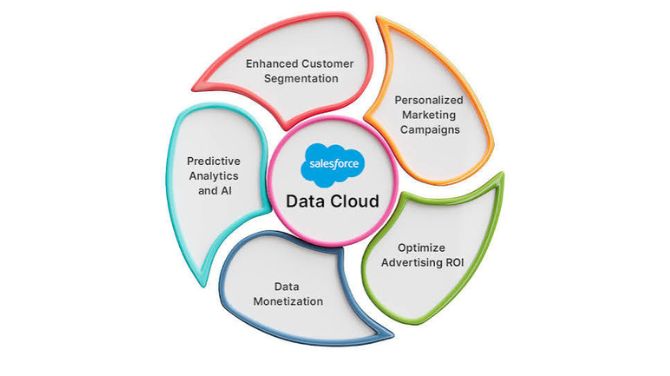
Today’s businesses collect customer data from many different sources, including websites, mobile apps, emails, social media, customer support, and online stores. While having access to this information is valuable, managing it effectively is often a challenge. When data is scattered across multiple systems, it becomes difficult to understand customers, personalize experiences, and make informed business decisions.
This is where Salesforce Data Cloud makes a difference.
Salesforce Data Cloud helps businesses bring customer data together in one place, creating a complete and real-time view of every customer. This unified approach allows sales, marketing, customer service, and leadership teams to make smarter decisions and deliver better customer experiences.
However, simply implementing Salesforce Data Cloud isn’t enough. To get the most value from your investment, you need to follow proven best practices that keep your data accurate, secure, and useful.
In this guide, we’ll explore the best Salesforce Data Cloud practices that can help growing businesses improve efficiency, strengthen customer relationships, and support long-term growth.
What Is Salesforce Data Cloud?
Salesforce Data Cloud is a customer data platform (CDP) that connects data from different business systems and creates a unified customer profile.
Instead of storing customer information in separate applications, Data Cloud combines data from multiple sources into one centralized platform. This gives your teams access to consistent, up-to-date customer information whenever they need it.
Whether your business wants to improve marketing campaigns, increase sales opportunities, or provide faster customer support, Salesforce Data Cloud helps every department work with the same reliable customer data.
Why Growing Businesses Need Salesforce Data Cloud
As a business grows, so does the amount of customer data it collects. Managing this information manually or across disconnected systems often leads to duplicate records, outdated information, and missed opportunities.
Salesforce Data Cloud helps businesses
Create a complete 360-degree customer view
Improve customer engagement
Personalize marketing campaigns
Increase team productivity
Make better business decisions
Deliver consistent customer experiences
Improve reporting and analytics
With connected data, businesses can better understand customer behavior and respond more effectively to changing customer needs.
Best Practices for Salesforce Data Cloud
1. Start with Clear Business Goals
Before implementing Salesforce Data Cloud, define what you want to achieve.
Ask yourself:
Do you want better customer insights?
Are you trying to improve marketing performance?
Do you want to increase sales?
Are you looking to provide faster customer support?
Having clear goals helps you design the right data strategy and measure success more effectively.
2. Bring All Customer Data Together
One of the biggest strengths of Salesforce Data Cloud is its ability to connect multiple data sources.
Instead of keeping customer information in separate systems, integrate data from:
CRM
Website
Email marketing platforms
Social media
ERP systems
Customer support software
E-commerce platforms
A unified customer profile gives every team access to consistent and reliable information.
3. Keep Your Data Clean and Accurate
Poor-quality data can lead to poor business decisions.
Regularly review your customer database by removing duplicate records, correcting outdated information, and filling in missing details.
Clean data improves reporting accuracy, customer segmentation, and personalized marketing.
It’s also a good practice to establish data quality rules so your information stays accurate over time.
4. Focus on Customer Privacy and Security
Customer trust is built on responsible data management.
Make sure your business follows data privacy regulations and secures customer information through appropriate access controls and permissions.
Only authorized employees should have access to sensitive customer data.
Regular security reviews help protect your business while maintaining customer confidence.
5. Create Meaningful Customer Segments
Not every customer has the same needs.
Salesforce Data Cloud allows businesses to group customers based on different factors such as:
Purchase history
Location
Interests
Website activity
Customer lifetime value
Product preferences
These customer segments make marketing campaigns more relevant and improve conversion rates.
6. Use Real-Time Customer Data
Customer behavior changes quickly.
Salesforce Data Cloud updates customer information in real time, allowing businesses to respond immediately.
For example:
Send personalized offers after a website visit.
Recommend products based on browsing history.
Notify sales teams when a customer shows buying intent.
Using real-time data helps businesses create more meaningful customer interactions.
7. Automate Routine Processes
Automation saves time and reduces manual work.
Salesforce Data Cloud works with Salesforce automation tools to simplify tasks like:
Lead assignments
Customer updates
Marketing campaigns
Follow-up reminders
Customer notifications
Automation improves efficiency while allowing employees to focus on higher-value activities.
8. Monitor Performance with Analytics
Collecting data is only valuable if you use it to make better decisions.
Track important metrics such as:
Customer engagement
Campaign performance
Conversion rates
Customer retention
Sales growth
Reviewing analytics regularly helps businesses identify opportunities for improvement and adjust strategies when needed.
9. Train Your Teams
Even the best technology delivers limited value if employees don’t know how to use it.
Provide regular training so your sales, marketing, and customer support teams understand how Salesforce Data Cloud works.
Well-trained employees are more likely to use customer insights effectively and deliver better customer experiences.
10. Continuously Improve Your Data Strategy
Businesses need to change over time.
Review your Salesforce Data Cloud setup regularly to ensure it continues to support your business goals.
Look for opportunities to:
Add new data sources
Improve customer segmentation
Update automation workflows
Enhance reporting
Strengthen security
Continuous improvement helps businesses maximize the long-term value of Salesforce Data Cloud.
Common Mistakes to Avoid
Many businesses don’t get the full benefit of Salesforce Data Cloud because they make avoidable mistakes.
Some common issues include:
Working with poor-quality data
Ignoring data privacy requirements
Failing to define business goals
Not training employees
Collecting data without using it for decision-making
Creating too many unnecessary customer segments
Avoiding these mistakes can significantly improve your implementation success.
How M40Tech Can Help
Implementing Salesforce Data Cloud requires more than technical expertise. It also requires a clear understanding of your business processes, customer journey, and long-term growth objectives.
At M40Tech, we help businesses implement, customize, and optimize Salesforce Data Cloud to unlock the full value of their customer data. From data integration and migration to automation, reporting, and ongoing support, our Salesforce experts build solutions tailored to your business needs.
Whether you’re starting your Salesforce journey or looking to improve an existing implementation, our team can help you create a connected customer experience that supports sustainable business growth.
Conclusion
Customer data is one of the most valuable assets a growing business can have—but only when it’s organized and used effectively.
Salesforce Data Cloud gives businesses a powerful way to unify customer information, improve decision-making, and deliver personalized experiences across every touchpoint.
By following these best practices—setting clear goals, maintaining clean data, protecting customer privacy, using automation, and continuously improving your strategy—you can maximize the value of your Salesforce investment and build stronger customer relationships.
As customer expectations continue to evolve, businesses that make smart use of their data will be better positioned to stay competitive and grow with confidence.
Frequently Asked Questions
1. What is Salesforce Data Cloud used for?
Salesforce Data Cloud helps businesses collect, unify, and manage customer data from multiple sources to create a complete customer profile for better decision-making and personalized experiences.
2. Is Salesforce Data Cloud suitable for small and growing businesses?
Yes. Salesforce Data Cloud is designed to scale with your business. It helps growing companies organize customer data, improve efficiency, and deliver better customer experiences as they expand.
3. How does Salesforce Data Cloud improve customer engagement?
By creating unified customer profiles and providing real-time insights, Salesforce Data Cloud enables businesses to deliver personalized marketing, timely recommendations, and consistent customer support.
4. Why should I choose M40Tech for Salesforce Data Cloud implementation?
M40Tech offers end-to-end Salesforce Data Cloud services, including consulting, implementation, customization, integration, and ongoing support. Our team helps businesses build secure, scalable, and data-driven CRM solutions tailored to their goals.
Get to Know More: https://m40tech.com

© 2025 Crivva - Hosted by Airy Hosting Managed Website Hosting.