

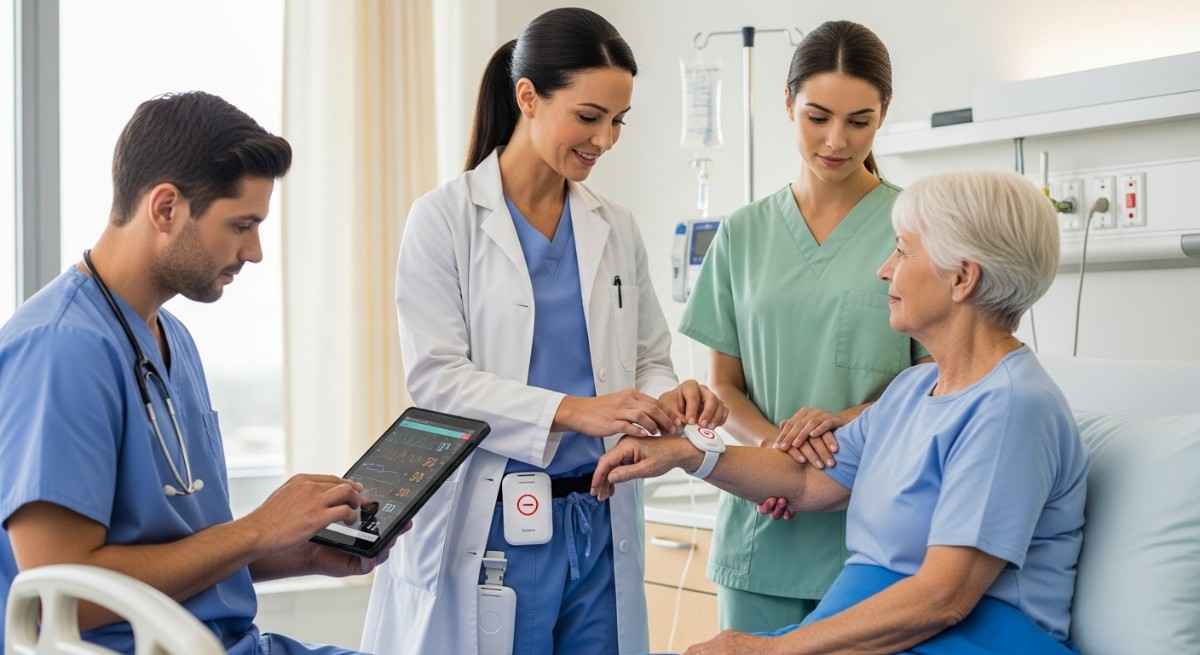
In today’s fast-paced healthcare environment, timely communication between patients and caregivers is more important than ever. Hospitals face constant pressure to improve patient outcomes, enhance operational efficiency, and maintain high standards of care while managing increasing patient volumes and staffing challenges. One technology that has become essential in achieving these goals is nurse call systems for hospitals.
Modern nurse call systems have evolved far beyond simple bedside buttons. Intelligent solutions now integrate advanced communication technologies, real-time alerts, mobile connectivity, and data analytics to ensure patients receive prompt attention when they need it most. By reducing response delays and streamlining workflows, these systems are transforming healthcare delivery across hospitals and medical facilities worldwide.
Healthcare professionals understand that even minor delays in responding to patient requests can have significant consequences. Whether a patient requires urgent medical attention, pain management, mobility assistance, or basic support, prompt responses contribute directly to patient safety and satisfaction.
Response delays can lead to:
As hospitals continue to focus on delivering patient-centered care, reducing response times has become a strategic priority. This is where intelligent nurse call systems for hospitals provide measurable value.
Traditional nurse call systems were designed primarily to notify nursing stations when a patient pressed a call button. While effective at the time, these systems often lacked flexibility and real-time communication capabilities.
Modern intelligent nurse call solutions offer a far more comprehensive approach. They combine communication technologies, workflow management tools, and healthcare integrations into a centralized platform.
Today’s advanced systems may include:
These capabilities enable healthcare providers to respond more efficiently while improving patient experiences.
One of the biggest advantages of intelligent nurse call systems is their ability to eliminate communication bottlenecks.
Instead of routing every request through a central nursing station, modern systems can automatically direct alerts to the most appropriate caregiver based on availability, location, and responsibilities. This ensures that requests are addressed quickly without unnecessary delays.
For example, if a patient requires assistance with mobility, the system can notify a nearby staff member capable of providing support. If an emergency call is triggered, multiple caregivers can receive alerts simultaneously.
This streamlined communication process significantly improves response times across the facility.
Patient safety remains the primary objective of every healthcare organization. Delayed responses can increase the likelihood of accidents, medical complications, and adverse events.
Intelligent nurse call systems help improve safety by providing immediate communication channels between patients and caregivers. Advanced solutions can also integrate with patient monitoring equipment, allowing automatic alerts when certain conditions require attention.
Patient falls remain a major concern for hospitals. Smart nurse call systems can integrate with bed-exit alarms and motion sensors to notify staff when high-risk patients attempt to move independently.
Critical alerts can be automatically escalated if initial notifications are not acknowledged within a specified timeframe. This ensures urgent situations receive prompt attention.
Integrated monitoring systems provide real-time visibility into patient needs, helping staff intervene before problems escalate.
These features contribute to safer healthcare environments and improved patient outcomes.
Healthcare professionals often manage multiple responsibilities simultaneously. Efficient communication is essential for maintaining productivity and preventing staff burnout.
Modern nurse call systems for hospitals help optimize workflows by:
By ensuring that alerts reach the right person at the right time, hospitals can reduce wasted effort and improve overall operational efficiency.
Healthcare workers spend less time tracking down colleagues or managing communication challenges and more time focusing on direct patient care.
Intelligent nurse call systems are being used across a wide range of healthcare environments.
Large hospitals use nurse call solutions to coordinate communication between departments, improve patient response times, and manage high patient volumes efficiently.
In critical care settings, immediate communication is essential. Advanced nurse call systems support rapid intervention when patient conditions change.
Senior care environments benefit from systems that provide residents with quick access to assistance while helping caregivers monitor patient needs more effectively.
Patients undergoing rehabilitation often require frequent support. Intelligent communication tools help staff deliver personalized care while maintaining efficiency.
These applications demonstrate the versatility and value of modern nurse call technologies.
Healthcare facilities must comply with strict regulations related to patient safety, communication, and quality of care. Intelligent nurse call systems help support compliance efforts by creating detailed records of communication activities and response times.
Benefits include:
These records provide valuable insights for hospital administrators while supporting regulatory compliance requirements.
In addition, performance data can be used to identify workflow improvements and strengthen patient care strategies.
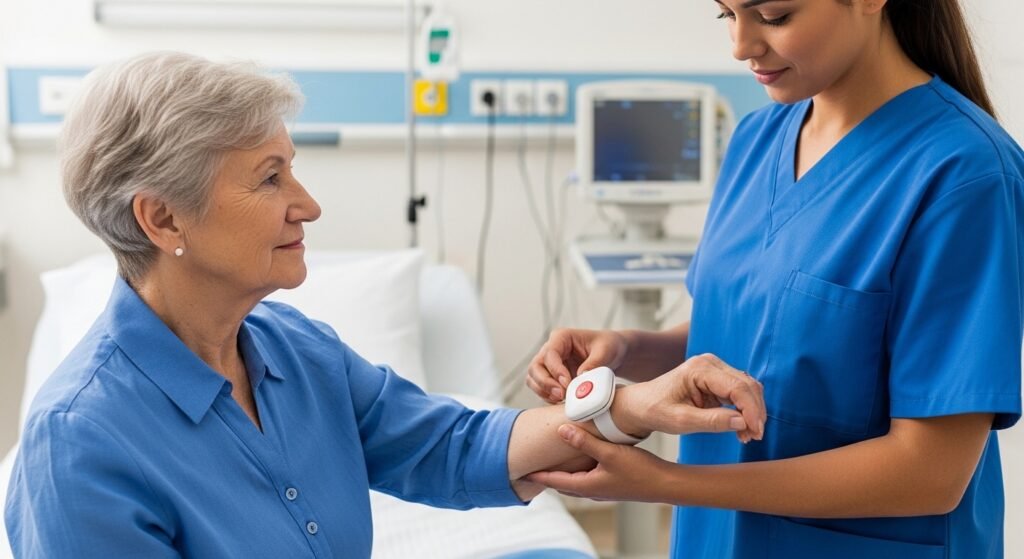
Effective collaboration among healthcare professionals is essential for delivering quality care.
Intelligent nurse call systems facilitate communication between:
By creating a connected communication network, hospitals can improve coordination and reduce delays associated with traditional communication methods.
Real-time messaging, voice communication, and mobile notifications ensure that important information reaches the appropriate personnel quickly and accurately.
This improved collaboration enhances both patient outcomes and staff satisfaction.
Patient satisfaction is a key performance indicator for modern healthcare organizations. Patients expect timely assistance, clear communication, and personalized care.
Intelligent nurse call systems contribute to positive patient experiences by:
When patients know that help is readily available, they often feel safer, more comfortable, and more confident in their healthcare providers.
Improved patient experiences can also strengthen hospital reputation and contribute to long-term success.
As healthcare facilities face growing demands for efficiency, safety, and quality care, intelligent nurse call systems for hospitals have become an essential component of modern healthcare operations. By reducing response delays, improving communication, enhancing patient safety, and streamlining workflows, these advanced solutions help hospitals deliver better outcomes for both patients and staff.

© 2025 Crivva - Hosted by Airy Hosting Managed Website Hosting.