


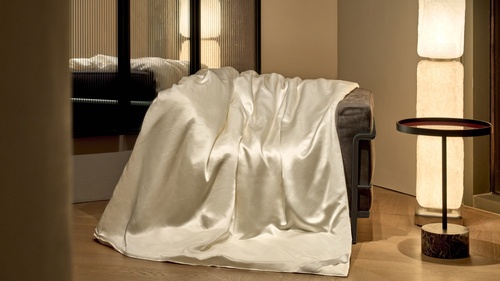
Redefining Bedroom Luxury: Five-Star Hotel Experience at Home
Everyone knows the distinct physical relief of unlocking a high-end hotel room door. You drop your luggage on the floor, take a slow breath, and feel your baseline stress levels begin to plummet. The space feels entirely intentional. It is designed for absolutely nothing but your personal recovery.
Yet, most of us return from these rejuvenating trips to bedrooms that serve as chaotic, multi-purpose utility spaces. We sleep next to piles of unsorted laundry, stare at the blinking lights of charging electronics, and wonder why our sleep quality consistently suffers.
Replicating that five-star feeling at home doesn’t require a massive budget or a complete architectural remodel. It comes down to understanding the specific sensory cues luxury hotels use to signal to your brain that it is time to shut down.
Mastering Environmental Control
The foundation of a premium suite isn’t the expensive furniture or the view outside the window. It is the absolute, uncompromising control over the physical environment. Hospitality designers obsess over acoustics and lighting long before they even begin to think about the decor.
At home, we usually rely on a single, harsh overhead light to illuminate the entire room. Hotels utilize layered lighting to manipulate the mood. Soft, warm-toned lamps placed at eye level or below create an immediate sense of intimacy and calm.
Acoustics matter just as much as what you can see. Heavy drapery does far more than just block out early morning streetlights. Thick fabrics absorb ambient noise, softening the harsh echoes in the room and creating that muffled, insulated quiet that defines a luxury stay.
Elevating the Primary Focal Point
A hotel room is built entirely around the bed. It acts as the undeniable anchor of the space. In standard domestic setups, people often compromise heavily on their sleeping surface, settling for aggressively patterned sheets or basic synthetic blends simply out of habit.
True luxury is inherently tactile. The visual appeal of a bed is entirely secondary to how it actually feels against your skin after an exhausting day. This is exactly why many of the best hospitality spaces are moving toward deeply breathable, natural fibers.
Replacing standard, abrasive cotton with high-qualitysilk bedding fundamentally changes the mechanical experience of your rest. It operates completely differently than traditional woven fabrics. The material regulates temperature dynamically, preventing the 3:00 AM overheating that typically disrupts deep sleep. The frictionless surface also stops the annoying pulling and bunching that interrupts your natural sleep architecture.
The Sensory Architecture of the Room
Visuals and textures are only part of the relaxation equation. Our brains are heavily wired to respond to olfactory cues, a psychological trick the hospitality industry has leveraged with incredible success for decades. Every premium hotel has a signature scent piped delicately through the lobby and subtly lingering in the suites.
You can engineer this exact same biological response in your own hallway and bedroom. Diffusing subtle, grounding scents like cedar, bergamot, or sandalwood an hour before you plan to sleep creates an invisible psychological boundary.
When you walk into the room and smell that specific profile, your nervous system begins to preemptively relax. What most people get wrong is using overwhelmingly sweet or artificial room sprays, which can actually cause mild headaches and agitation rather than genuine relaxation. Keep it subtle, natural, and consistent.
The Routine of the Guest
Part of the undeniable magic of a luxury stay is how you treat yourself while you occupy the space. You don’t usually sit on the edge of a five-star bed answering work emails in the rigid jeans you wore all afternoon. You create a deliberate transition. You take a hot shower, order room service, and put on something exceptionally comfortable.
You can easily replicate this exact transition on a random Tuesday evening at home. Ditching your daytime clothes for a properly tailored silk pajama forces a sudden psychological shift. It acts as a physical barrier between the heavy demands of the afternoon and the quiet of the evening.
The sheer tactile contrast of slipping into a premium garment tells your body that the productive portion of the day has definitively concluded. It is a small, daily ritual that makes the bedroom feel like an actual retreat rather than just the room where you happen to keep your clothes.
Small Adjustments for Maximum Impact
Creating this elevated environment is very often an exercise in subtraction rather than addition. The most relaxing spaces are the ones that demand the absolute least amount of mental processing from you.
● Eliminate Visual Clutter: A hotel room feels intensely calm largely because it lacks your personal to-do list. Keep flat surfaces entirely clear of paperwork, unopened mail, or half-empty water glasses.
● Curate a Pillow Menu: Hotels offer multiple options for a reason. Having a mix of firm, supportive pillows and softer, low-profile options allows you to adjust your posture based on how your neck feels on any specific night.
● Optimize the Thermostat: The optimal sleeping temperature is shockingly cool, usually hovering around 65 degrees Fahrenheit. Program your home thermostat to drop at least an hour before you physically enter the room.
● Banish the Screens: The blinking blue light of a charging station or the standby glow of a television completely shatters the illusion of a sanctuary. Move your phone chargers to the hallway or hide them inside a bedside drawer.
● The Ten-Minute Turndown: Replicate the famous hospitality turndown service. Spend just ten minutes pulling back the heavy covers, dimming the bedside lamps, and clearing away any lingering debris from the day before you get ready for bed.
Protecting Your Sleep Space
Your bedroom is arguably the most critical square footage in your entire house. It dictates how well you recover, how you physically process stress, and ultimately, how effectively you perform the following day.
Treating it as a mere utility room is a massive missed opportunity. By borrowing the intentional design choices, tactile upgrades, and sensory controls of the high-end hospitality industry, you can build a permanent escape right down the hall. It transforms a purely functional space into a daily, reliable restoration point.

© 2025 Crivva - Hosted by Airy Hosting Managed Website Hosting.