

Qatar’s automotive sector continues to evolve alongside the country’s infrastructure development, economic diversification, and growing emphasis on transportation efficiency. As the number of vehicles on the road remains substantial and mobility needs continue to expand, the tire industry plays an essential role in ensuring road safety, operational reliability, and vehicle performance.
Unlike industries that rely primarily on new vehicle production, Qatar’s tire sector is largely influenced by replacement demand, technological innovation, climatic conditions, and changing consumer preferences. According to a study published by MarkNtel Advisors, these factors continue to shape the country’s tire landscape, with passenger vehicles accounting for a significant share of overall demand.
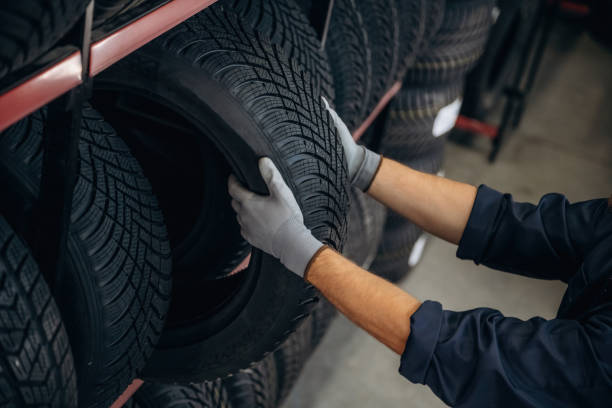
Replacement tires continue to account for the majority of purchases in Qatar. Every vehicle requires periodic tire replacement as tread wears down through daily use, making the aftermarket significantly larger than the original equipment segment.
The country’s high vehicle ownership levels and regular commuting patterns contribute to a steady replacement cycle. Vehicle owners increasingly recognize that timely tire replacement improves braking performance, handling, and fuel efficiency while reducing safety risks associated with worn-out tires. The U.S. Tire Manufacturers Association (USTMA) provides guidance on proper tire maintenance, inflation, tread depth, and replacement practices to help improve vehicle safety and tire performance.
In addition, routine vehicle inspections encourage motorists to maintain tires that meet recommended safety standards, further supporting consistent aftermarket demand.
Qatar’s desert climate presents unique operating conditions for tires. High temperatures, prolonged exposure to sunlight, and heated road surfaces place continuous stress on tire materials throughout much of the year.
Heat can accelerate rubber degradation, affect air pressure, and shorten tread life if tires are not specifically designed for demanding environments. Consequently, consumers increasingly prioritize products offering enhanced heat resistance, durable rubber compounds, and improved structural integrity.
Manufacturers have responded by developing tires engineered to withstand extreme temperatures while maintaining stability, traction, and durability under challenging road conditions.
Passenger cars remain the dominant vehicle category within Qatar’s automotive fleet. Strong purchasing power, urban mobility requirements, and widespread personal vehicle ownership continue to support demand for passenger vehicle tires.
Consumers are also becoming more selective when purchasing replacement tires. Instead of focusing solely on initial purchase price, many buyers evaluate long-term performance, fuel efficiency, ride comfort, road noise, and overall durability before making purchasing decisions.
This gradual shift toward value-based purchasing encourages manufacturers to invest in advanced tire technologies that improve both performance and longevity.
Commercial transportation also contributes significantly to tire demand across Qatar. Construction activities, logistics operations, public transportation, and industrial development require reliable fleets capable of operating efficiently throughout the year.
Heavy-duty trucks, buses, and specialized commercial vehicles operate under demanding conditions that require durable tires capable of handling high loads and extended operating hours. Fleet operators often prioritize products that offer longer service life, reduced downtime, and lower maintenance costs.
As infrastructure projects continue to support economic diversification, commercial vehicle activity remains an important contributor to the overall tire industry.
The global tire industry continues to invest heavily in research and development, and these innovations are gradually influencing purchasing trends in Qatar.
Modern tire designs increasingly incorporate advanced tread patterns, silica-enhanced rubber compounds, reinforced sidewalls, and lightweight materials that improve fuel efficiency while extending product lifespan.
Manufacturers are also introducing smart tire technologies capable of monitoring tire pressure and temperature in real time. These systems help drivers identify maintenance requirements before they develop into more serious safety concerns.
Although adoption is still developing, connected tire technologies are expected to become increasingly relevant as vehicles become more digitally integrated.
Environmental sustainability is gaining greater importance across the automotive sector, and tire manufacturers are responding by exploring more sustainable production methods and recycling initiatives.
Discarded tires present long-term environmental challenges if not managed properly. As a result, governments, manufacturers, and recycling organizations are placing greater emphasis on recovering rubber materials for reuse in construction, sports surfaces, and industrial applications.
Manufacturers are also researching renewable raw materials, recycled rubber compounds, and production techniques designed to reduce carbon emissions while maintaining product performance.
These initiatives align with broader global efforts to promote circular economy practices across the automotive supply chain.
Consumer purchasing behavior has changed significantly over recent years as digital platforms become increasingly integrated into automotive retail.
Many customers now research tire specifications online, compare brands, read product reviews, and schedule installation appointments before visiting retail outlets.
Digital platforms also enable businesses to improve inventory management, provide transparent pricing, and offer personalized recommendations based on vehicle specifications.
Rather than replacing traditional dealerships and tire retailers, online platforms increasingly complement physical stores by providing greater convenience throughout the purchasing process.
Despite favorable demand conditions, tire manufacturers continue to face challenges associated with fluctuating raw material prices.
Natural rubber, synthetic rubber, carbon black, steel, and petroleum-derived materials represent major production inputs whose costs are influenced by global supply chains, weather conditions, transportation expenses, and geopolitical developments.
Price volatility affects manufacturing costs and supply chain planning, encouraging companies to diversify sourcing strategies and invest in production efficiency to maintain competitiveness.
Managing these challenges remains an important priority for manufacturers operating in both regional and international markets.
Consumers are increasingly recognizing that premium tires can deliver long-term value through improved durability, better fuel economy, enhanced safety, and reduced maintenance requirements.
Rather than focusing exclusively on purchase price, many vehicle owners evaluate total cost of ownership over the product’s lifespan.
Premium tire manufacturers continue introducing products that offer lower rolling resistance, shorter braking distances, quieter operation, and better performance under both dry and wet driving conditions. The National Highway Traffic Safety Administration (NHTSA) offers official guidance on tire safety, maintenance, recalls, and selecting tires that contribute to safer vehicle operation.
As awareness of tire performance continues to improve, higher-quality products are expected to attract growing interest across multiple customer segments.
Qatar’s tire industry continues to evolve alongside broader developments in transportation, infrastructure, sustainability, and automotive technology. Replacement demand remains the industry’s primary foundation, while innovation, digitalization, and environmental responsibility are creating new opportunities for manufacturers, distributors, and service providers.
As vehicle owners increasingly prioritize safety, efficiency, and long-term value, demand is expected to favor technologically advanced and durable tire solutions capable of performing reliably under Qatar’s unique climatic conditions. At the same time, continued investment in commercial transportation and national infrastructure projects is likely to reinforce the importance of reliable tire products across both passenger and commercial vehicle categories.

© 2025 Crivva - Hosted by Airy Hosting Managed Website Hosting.