


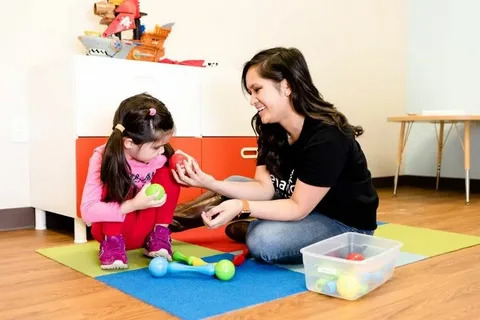
Children with Autism Spectrum Disorder (ASD) often face challenges with communication, emotional regulation, social interaction, and daily routines. Many families search for structured therapies that can help children develop essential life skills while improving behavior and learning abilities. Applied Behavior Analysis (ABA) is one of the most trusted evidence-based treatments used for autism support and behavioral development. Through personalized intervention plans, positive reinforcement, and skill-building strategies, families can see meaningful developmental progress with professional aba therapy.
Professional ABA therapy is a structured behavioral treatment designed to improve positive behaviors and reduce behaviors that interfere with learning and social development.
The therapy is supervised by a Board Certified Behavior Analyst (BCBA) and delivered by trained ABA therapists or Registered Behavior Technicians (RBTs).
ABA programs focus on helping children improve:
Each treatment plan is customized according to the child’s strengths, developmental level, and behavioral needs.
Children with autism may struggle with expressing emotions, following instructions, interacting socially, or adapting to routine changes.
Professional ABA therapy helps children:
The goal is to help children function more comfortably at home, school, and in community settings.
ABA therapy combines several behavioral science techniques to encourage learning and positive development.
The therapy process begins with a detailed evaluation of the child’s:
This assessment helps create personalized treatment goals.
Each child receives a customized therapy plan targeting specific developmental areas such as:
Goals are regularly updated based on measurable progress.
Positive reinforcement is one of the most effective ABA methods.
When children complete tasks or demonstrate positive behavior, therapists reward them using:
This increases motivation and helps children repeat desired behaviors.
ABA therapists carefully track behavior and learning progress during every session.
Data collection helps:
Regular reviews ensure therapy remains effective and personalized.
Professional ABA therapy focuses on practical life skills that support long-term independence.
Children learn:
Therapists teach:
ABA programs help reduce:
Children also learn healthier coping strategies.
Therapists help children build independence in:
Modern ABA therapy includes multiple teaching methods depending on the child’s needs.
DTT uses step-by-step teaching with repetition and rewards to build learning skills.
NET teaches children through play and natural daily activities to improve real-world communication.
FCT teaches children healthier ways to communicate needs instead of using negative behaviors.
This method focuses on helping children understand and use language meaningfully in social situations.
Children receiving ABA therapy may experience significant developmental improvements.
Benefits may include:
Long-term therapy often leads to stronger adaptive and life skills.
Early intervention is extremely important for children with autism and developmental delays.
Research shows that children who begin therapy at younger ages often develop:
Early support can positively affect long-term developmental outcomes.
Families may choose different therapy settings based on their child’s needs.
Advantages include:
Advantages include:
Many families combine both therapy models for balanced development.
Parental involvement plays a major role in treatment effectiveness.
Parents can support therapy by:
Consistency between therapy sessions and home routines improves long-term progress.
ABA therapy is commonly used to help children with autism improve communication, behavior, social interaction, and daily living skills.
Yes. ABA therapy is considered an evidence-based behavioral treatment supported by decades of scientific research.
Therapy duration depends on the child’s developmental needs, therapy goals, and progress level.
Yes. ABA programs often improve language development and functional communication skills.
Professional ABA therapy is a structured behavioral treatment designed to improve positive behaviors and reduce behaviors that interfere with learning and social development.
The therapy is supervised by a Board Certified Behavior Analyst (BCBA) and delivered by trained ABA therapists or Registered Behavior Technicians (RBTs).
Yes. Parent involvement is highly encouraged to reinforce learning outside therapy sessions.
Every child is different, but many children with autism benefit from individualized ABA intervention programs.
Professional ABA therapy provides structured behavioral support that helps children improve communication, social interaction, emotional regulation, and independence. Through individualized treatment plans, positive reinforcement, and evidence-based teaching methods, children can develop meaningful life skills that improve long-term success. Families seeking trusted autism intervention and behavioral support should consider high-quality professional aba therapy services.

© 2025 Crivva - Hosted by Airy Hosting Managed Website Hosting.