


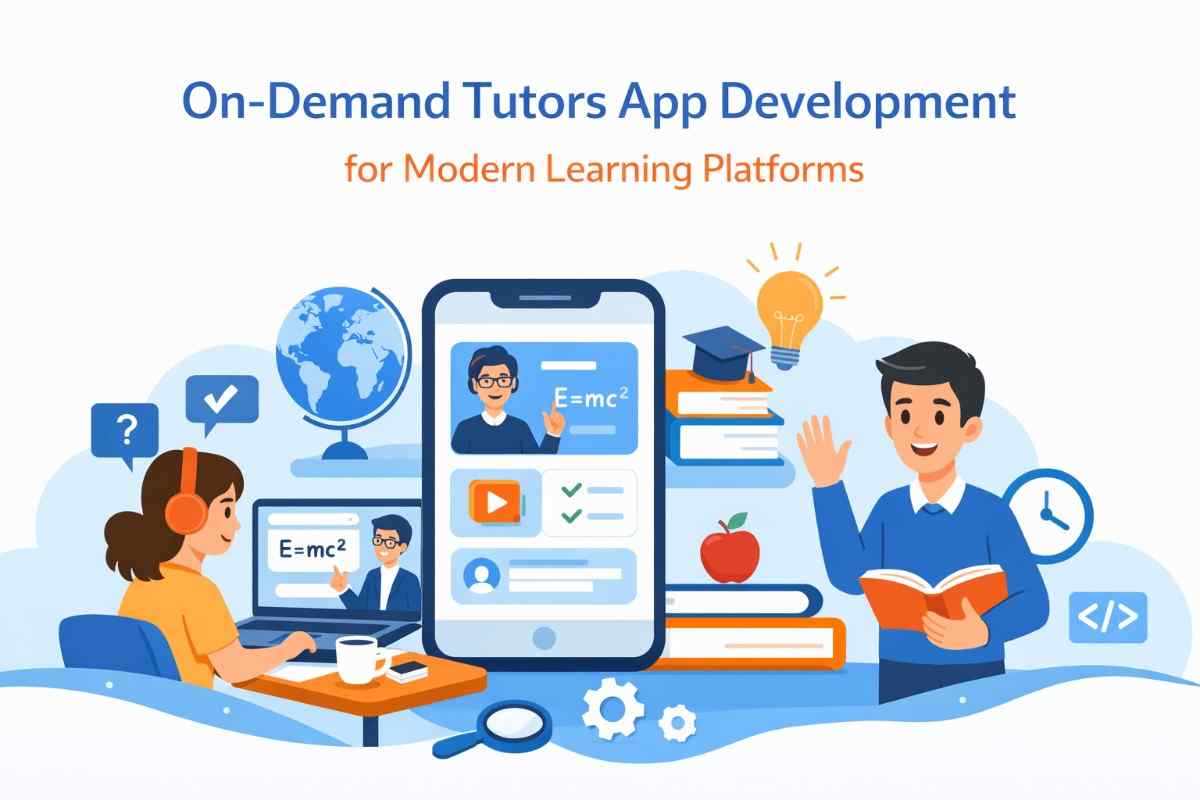
In an era where technology has transformed nearly every aspect of education, the rise of on-demand tutoring apps signifies a significant shift in how learners access academic support. These platforms facilitate personalized learning experiences, connecting students with qualified tutors at their convenience, thereby bridging gaps in understanding and enhancing educational outcomes. As modern learners increasingly seek flexible and tailored approaches to their studies, the development of effective on-demand tutoring apps has become crucial. This article explores the essential components, features, and trends in developing these innovative applications, providing insights for educators, developers, and entrepreneurs aiming to capitalize on this burgeoning sector.
On-demand tutoring apps are digital platforms that connect students with tutors at the click of a button. Picture a virtual genie, except instead of granting wishes, it grants academic assistance—whether it’s math, science, or even how to conquer the fine art of essay writing. Their purpose? To make learning accessible, flexible, and tailored to individual needs, all from the comfort of your couch (or coffee shop, we don’t judge).
The on-demand tutoring market has exploded like a pop quiz during finals week. Reports show that the global online tutoring market is expected to reach a whopping $275 billion by 2025, growing at a rate of around 15% annually. It seems everyone from busy parents to adult learners is hopping aboard this educational express train. With educational needs evolving rapidly, it’s safe to say the demand isn’t slowing down anytime soon.
Traditional tutoring often resembles a game of hide and seek—with tutors hiding in plain sight in physical locations, and students trying to track them down. On-demand apps offer a more streamlined approach, providing instant access to a wider pool of expertise. While traditional methods may have their charm (think personalized attention and a snack at the tutor’s house), on-demand platforms boast flexibility, convenience, and the ability to learn at your own pace. Plus, you can wear pajamas while getting schooled, which is a definite win.
In today’s fast-paced world, waiting for answers is for the birds. Modern learning platforms boast real-time interaction tools like live chat, video calls, and interactive whiteboards, enabling students to ask questions and get feedback faster than you can say “study group.” This instant connectivity transforms the learning experience into a dynamic conversation, instead of a sad monologue.
Gone are the days of “one size fits all.” Personalized learning paths cater to the unique strengths and weaknesses of each student, offering a customized approach that resembles a tailor-made suit—except way less formal. Progress tracking ensures students can see their improvements (and maybe even does a happy dance) as they complete modules and master new skills, all while the app quietly whispers, “You got this!”
Let’s face it: life is busy, and juggling schedules can feel like a circus act. Modern tutoring apps shine with integrated payment and scheduling systems that allow users to book sessions on-the-fly and handle transactions with as much ease as scrolling through social media. No more awkward conversations over cash or calendar conflicts—everything is just a click away.
The front end of an app is like the face of a well-dressed person—it’s what users interact with first. Technologies like React Native, Flutter, or Angular keep things visually appealing and responsive, ensuring users enjoy seamless navigation. Whether you’re swiping or clicking, it needs to feel as smooth as butter on a hot pancake.
The backend is the wizard behind the curtain, managing data and ensuring everything runs smoothly. Technologies such as Node.js, Django, or Ruby on Rails help manage complex operations and user requests. This magical realm ensures that app features like user authentication, real-time data syncing, and analytics work like a well-oiled machine, minus the grease stains.
With the ocean of data flowing through on-demand tutoring apps, reliable cloud services are essential—kind of like needing a life vest when swimming in deep waters. Providers like AWS, Google Cloud, and Azure offer scalable data storage solutions to ensure that all user interactions, session histories, and learning materials are stored securely and can be accessed anytime, anywhere. No one likes data loss, and these services ensure that’s a problem you won’t have to worry about.
Good design for educational apps is all about simplicity, intuitiveness, and fun (who said learning couldn’t be fun?). Prioritizing clarity ensures users can navigate the app without wandering aimlessly like a lost puppy. Consistent visual elements, engaging graphics, and an easy-to-follow layout keep learners focused and ready to absorb knowledge without the distraction of a complicated interface.
An inclusive design is crucial in ensuring every learner can dive into the educational pool headfirst. Accessibility features such as screen readers, adjustable text sizes, and color contrast options ensure that no one gets left out of the learning experience. This commitment to accessibility not only enhances user engagement but also fosters a supportive learning environment for all.
Feedback is the breakfast of champions, and it’s no different in the world of educational apps. Implementing feedback mechanisms such as surveys, rating systems, or even direct communication options allow users to express their thoughts. This constant input loop fuels upgrades and improvements, ensuring that the app evolves to meet the changing needs of its users—like an educational chameleon!
The future is here, and it’s powered by AI and machine learning! These technologies can customize learning experiences based on individual student needs, analyzing their past performance to suggest tailored resources. Imagine a virtual tutor that adapts in real-time to each student’s pace and style—that’s not just a dream, folks, that’s the new normal! AI can also assist tutors by providing insights and analytics, making their jobs a whole lot easier.
Why stick to flat screens when you can immerse yourself in the learning experience? Virtual Reality (VR) and Augmented Reality (AR) are making waves in education, and they’re not just for gamers anymore. These technologies can create interactive and engaging environments for tutoring sessions, allowing students to explore concepts in a 3D space. Imagine studying biology by walking through a virtual cell—talk about bringing the curriculum to life!
The way students learn is evolving, and so should your tutoring app! More learners are seeking personalized, customized experiences that fit their unique styles. Whether it’s bite-sized content for on-the-go learners or collaborative tools for team projects, adjusting to these shifting preferences will be key to staying relevant. Embrace flexibility, cater to diverse learning needs, and keep your app at the forefront of educational innovation. After all, education is all about growth—your app should reflect that! As the demand for personalized and accessible education continues to grow, on-demand tutoring apps are poised to play a pivotal role in shaping the future of learning. By focusing on user experience, incorporating advanced technologies, and addressing the challenges inherent in app development, creators can build platforms that not only meet the needs of students and tutors but also foster a more effective educational environment. Embracing these innovations will ultimately empower learners to achieve their academic goals and navigate their educational journeys with confidence.
On-demand tutoring apps provide flexibility, personalized learning experiences, and immediate access to qualified tutors. They allow students to schedule sessions at their convenience and receive tailored support in real-time, enhancing their overall learning experience.
Key features to prioritize include real-time communication tools, personalized learning paths, easy payment and scheduling systems, user profiles, and feedback mechanisms. These functionalities ensure a seamless experience for both students and tutors.
Effective marketing strategies include identifying your target audience, leveraging social media and content marketing, forming partnerships with educational institutions, and utilizing search engine optimization techniques. Engaging with potential users through informative content can also help build trust and attract them to your platform.
Common challenges include ensuring a user-friendly interface, maintaining user engagement and retention, addressing technical issues, and complying with educational regulations. It’s essential to anticipate these hurdles and develop strategies to overcome them for successful app deployment.

© 2025 Crivva - Hosted by Airy Hosting Managed Website Hosting.