


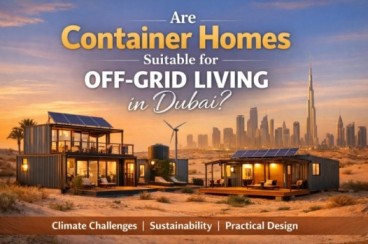
The concept of off-grid living has gained global attention in recent years. As urban populations grow and sustainability becomes a priority, people are exploring housing options that reduce dependence on public utilities. One solution that continues to attract interest is container homes. In regions with challenging climates, such as the Middle East, questions naturally arise about feasibility. This leads many to ask whether container homes are suitable for off-grid living in Dubai.
Dubai is known for its modern skyline, advanced infrastructure, and desert climate. At the same time, it is also a city that increasingly promotes innovation, sustainability, and alternative living solutions. Container Homes Dubai have become a topic of growing interest as residents and developers explore modular, efficient housing that aligns with future-focused urban development. Container-based housing fits well into this evolving landscape, but off-grid living in such an environment requires careful planning, climate adaptation, and regulatory awareness.
This article explores the practicality of off-grid container homes in Dubai, covering climate considerations, energy systems, water solutions, design strategies, regulations, and long-term sustainability. The goal is to provide a balanced, informative perspective that helps readers understand both the opportunities and challenges involved.
Off-grid living refers to homes that operate independently from municipal electricity, water, and sewage systems. Instead of relying on public utilities, these homes use renewable energy, water harvesting, storage systems, and waste management solutions.
In Dubai, off-grid living does not necessarily mean isolation. Many properties are located near developed areas but choose self-sufficiency for environmental, financial, or lifestyle reasons. The appeal lies in energy independence, reduced utility bills, and a smaller environmental footprint.
However, Dubai’s desert climate and regulatory framework make off-grid living more complex than in temperate regions. This is where container homes offer both advantages and challenges.
Container homes are built using repurposed shipping containers. Their popularity has grown due to affordability, speed of construction, and adaptability. For off-grid living, container homes offer several key benefits:
These qualities make container homes an appealing option for self-sufficient living. When designed correctly, they can be adapted to extreme climates, including Dubai’s heat and arid conditions.
Dubai experiences long summers, high temperatures, intense sunlight, and minimal rainfall. Any off-grid home must address these environmental factors effectively.
One of the biggest concerns with container homes is heat retention. Steel containers can absorb and trap heat if not properly treated. For container homes in Dubai, insulation is not optional; it is essential.
Effective insulation strategies include:
When these measures are applied, container homes can maintain comfortable indoor temperatures while minimizing energy consumption.
Off-grid homes benefit greatly from passive design techniques. These methods reduce reliance on mechanical cooling systems.
Common passive cooling features include:
In Container Homes Dubai projects, passive cooling often plays a critical role in making off-grid living practical.
Solar energy is the backbone of most off-grid homes in Dubai. The region’s abundant sunlight makes solar power both reliable and efficient.
Container homes are well-suited for solar installations due to their flat or slightly modified roofs. Solar panels can be mounted on:
These systems generate electricity during daylight hours and store excess energy in batteries for nighttime use.
Battery storage is crucial for off-grid living. Modern battery systems allow container homes to store enough energy to operate essential appliances, lighting, and cooling systems even during cloudy days.
To ensure uninterrupted power, many off-grid homes also include backup solutions such as energy-efficient generators, although the goal remains to minimize their use.
Water management is another major consideration for off-grid living in Dubai. Since rainfall is limited, container homes rely on alternative water strategies.
Large water storage tanks are commonly used to supply daily household needs. These tanks are refilled through authorized water delivery services or private borewell systems where permitted.
Off-grid container homes prioritize water-efficient fixtures, including:
These measures significantly reduce water consumption, making off-grid living more sustainable.
Greywater systems reuse water from sinks, showers, and washing machines for landscaping or non-potable uses. In Dubai, such systems must comply with local guidelines, but they can greatly improve water efficiency when approved.
Managing waste independently is essential for off-grid living. Container homes typically use decentralized waste systems.
Off-grid homes often rely on modern septic tanks or compact bio-treatment units. These systems safely treat wastewater and reduce environmental impact when properly maintained.
Off-grid living also encourages responsible waste practices, such as:
These habits align well with sustainable living principles and help reduce reliance on municipal services.
While container homes are gaining acceptance, off-grid living in Dubai must comply with local regulations. Authorities require approvals for construction, energy systems, and waste management.
Key considerations include:
Off-grid does not mean unregulated. Successful Container Homes Dubai projects are those that align innovative design with legal frameworks.
Off-grid container homes may have higher upfront costs due to renewable systems and specialized infrastructure. However, they often provide long-term savings.
Costs may include:
Over time, off-grid homes benefit from:
For many residents, these benefits outweigh the initial investment.
Off-grid living requires a shift in mindset. Residents must be conscious of energy and water usage and prepared to manage systems independently.
However, many people find this lifestyle rewarding. It encourages sustainable habits, reduces environmental impact, and fosters a closer connection to living spaces.
Container homes, with their compact layouts, naturally promote efficient living without sacrificing comfort when designed thoughtfully.
When all factors are considered, container homes can be suitable for off-grid living in Dubai under the right conditions. Success depends on:
Container homes are not a one-size-fits-all solution, but they offer a flexible and sustainable option for those seeking energy independence in a challenging environment.
Off-grid living in Dubai may seem unconventional, but it is becoming increasingly achievable. Container homes provide a strong foundation for this lifestyle due to their modular nature, efficiency, and adaptability. With proper insulation, renewable energy integration, and responsible resource management, off-grid container living is not only possible but practical.
As sustainability continues to influence housing trends, Container Homes Dubai projects are likely to evolve further, combining innovation with environmental responsibility. For individuals seeking independence from traditional utilities while embracing modern design, container homes offer a compelling path forward.

© 2025 Crivva - Hosted by Airy Hosting Managed Website Hosting.