


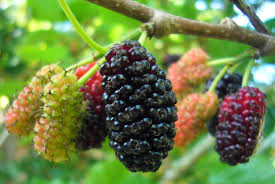
Mulberry Farming in India: A Profitable Opportunity for Farmers
Mulberry farming plays a crucial role in India’s agricultural and sericulture sectors. It is the backbone of silk production, as mulberry leaves are the primary food source for silkworms. Due to rising demand for silk, mulberry cultivation has emerged as a profitable and sustainable farming option, especially for small and marginal farmers. With proper planning, modern techniques, and mechanization support, mulberry farming can generate steady income throughout the year.
Importance of Mulberry Farming
Mulberry plants are hardy, fast-growing, and capable of yielding leaves multiple times a year. India is one of the largest producers of silk globally, and states such as Karnataka, Andhra Pradesh, Tamil Nadu, West Bengal, and Jammu & Kashmir actively promote mulberry cultivation. Apart from silk production, mulberry fruits are also used in food processing, pharmaceuticals, and herbal medicine, increasing its commercial value.
Suitable Climate and Soil
Mulberry farming thrives best in tropical and subtropical climates. The ideal temperature range is between 24°C and 28°C, with annual rainfall of 600–1000 mm. The crop requires well-drained loamy or sandy loam soil rich in organic matter. A soil pH between 6.2 and 6.8 is considered ideal for healthy growth and higher leaf yield.
Land Preparation and Planting
Proper land preparation is essential for successful mulberry cultivation. The field should be ploughed 2–3 times to make the soil loose and weed-free. Organic manure such as farmyard manure or compost should be mixed into the soil before planting.
Mulberry is usually propagated through cuttings or saplings. The recommended spacing varies depending on the variety and farming method, but generally, spacing of 3 x 3 feet is followed for bush plantation. Planting is best done during the monsoon season to ensure proper establishment.
Irrigation and Nutrient Management
Mulberry is a water-intensive crop, especially during the initial growth stage. Regular irrigation is required, but waterlogging should be avoided. Drip irrigation is highly recommended as it saves water and improves nutrient absorption.
Balanced use of fertilizers is essential for continuous leaf production. Nitrogen, phosphorus, and potassium should be applied in recommended doses, along with micronutrients if required. Organic inputs like vermicompost and green manure further improve soil health and leaf quality.
Pest and Disease Management
Common pests in mulberry farming include leaf roller, mealybugs, and thrips, while diseases such as powdery mildew and root rot can affect the crop. Integrated Pest Management (IPM) practices, timely pruning, and maintaining field hygiene help control these issues effectively. Farmers should avoid excessive chemical use, as it can negatively impact silkworm health.
Role of Mahindra Tractors in Mulberry Farming
Mechanization plays a vital role in improving productivity and reducing labor costs in mulberry farming, and Mahindra tractors are widely trusted by Indian farmers for this purpose. Mahindra tractors are known for their fuel efficiency, strong build quality, and reliable performance in varied soil conditions. Models in the 25–50 HP range are ideal for mulberry farms, as they efficiently handle land preparation, ploughing, interculture operations, and transportation. With advanced hydraulics and easy maintenance, Mahindra tractors help farmers save time and increase operational efficiency, making mulberry cultivation more economical and scalable.
Harvesting and Yield
Mulberry leaves are harvested 60–70 days after planting and thereafter at regular intervals of 45–50 days. Proper pruning ensures continuous growth and higher leaf yield. On average, a well-managed mulberry farm can produce 25–30 tons of leaves per hectare annually, depending on the variety and farming practices.
Profitability and Market Scope
Mulberry farming offers assured returns when linked with sericulture. Farmers engaged in silkworm rearing can earn consistent income throughout the year. Government subsidies, training programs, and technical support further enhance profitability. Additionally, the growing demand for silk and mulberry-based products makes this farming practice a long-term income source.
Mulberry is a water-demanding crop, especially during the initial growth and leaf development stages. Regular irrigation is necessary to maintain consistent leaf production. In summer months, irrigation may be required every 7–10 days, while in cooler seasons, the frequency can be reduced.
Drip irrigation is highly recommended for mulberry farming as it conserves water and ensures efficient nutrient uptake. It also helps in reducing weed growth and improving overall crop health. Proper irrigation management directly impacts leaf quality, which is critical for silkworm rearing.
Continuous leaf harvesting makes mulberry a nutrient-exhaustive crop. Balanced application of fertilizers is essential to maintain soil fertility and sustain high yields. Nitrogen, phosphorus, and potassium should be applied in recommended doses, based on soil test results.
Organic inputs such as vermicompost, green manure, and biofertilizers are also beneficial for improving soil structure and microbial activity. Integrated nutrient management practices help in achieving long-term productivity and environmental sustainability.
Mulberry plants are susceptible to various pests and diseases that can affect leaf quality and yield. Common pests include leaf roller, thrips, and mealybugs, while diseases such as powdery mildew, leaf spot, and root rot are also observed.
Integrated Pest Management (IPM) practices should be adopted to control pests and diseases effectively. This includes regular field monitoring, use of resistant varieties, proper pruning, and minimal use of chemical pesticides. Chemical sprays should be used cautiously, as residue on leaves can harm silkworms.
Modern farm mechanization significantly improves efficiency in mulberry cultivation, and Mahindra tractors play an important role in this process. Mahindra tractors are widely preferred by Indian farmers due to their durability, fuel efficiency, and reliable performance across different soil conditions. In mulberry farming, Mahindra tractors are used for land preparation, ploughing, inter-row cultivation, transportation of manure, and leaf produce. Compact and medium-HP Mahindra tractor models are especially suitable for small and medium mulberry farms, offering easy maneuverability and low maintenance costs. By reducing dependency on manual labor, Mahindra tractors help farmers save time, lower operational expenses, and improve overall farm productivity.
Pruning is an essential practice in mulberry farming, as it encourages new shoot growth and increases leaf yield. The first harvest is usually done 60–70 days after planting. Subsequent harvests can be carried out at intervals of 45–50 days, depending on plant growth and climatic conditions.
Leaves should be harvested carefully to avoid damaging the plant. Proper pruning techniques ensure uniform leaf size and quality, which is important for healthy silkworm development.
With good management practices, mulberry farming can produce 25 to 30 tonnes of leaves per hectare per year. Improved varieties and scientific farming methods can further increase productivity. Regular irrigation, balanced nutrition, and timely pest control are key factors influencing yield.
High-quality leaf production directly affects cocoon quality and silk yield, making mulberry farming a crucial factor in profitable sericulture.
Mulberry farming offers stable and recurring income, especially when integrated with silkworm rearing. The government provides various subsidies, training programs, and technical support to encourage sericulture activities. This reduces initial investment and improves profit margins for farmers.
The growing demand for silk in textile, fashion, and export markets ensures long-term market potential for mulberry-based farming systems. Farmers who adopt modern practices and mechanization can achieve higher returns and sustainable growth.
Conclusion
Mulberry farming is a high-potential agricultural activity that combines sustainability with profitability. With proper soil management, irrigation, pest control, and mechanization support from reliable equipment like Mahindra tractors, farmers can significantly improve yield and income. As silk demand continues to rise, mulberry cultivation stands out as a smart and future-ready farming choice for Indian farmers.

© 2025 Crivva - Hosted by Airy Hosting Managed Website Hosting.