


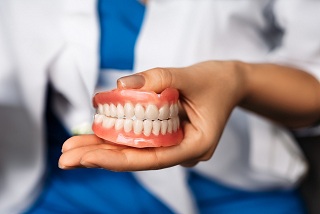
Damaged teeth can affect more than appearance. They can make chewing difficult, increase sensitivity and lead to further oral health problems if left untreated. Modern dentistry offers several restoration options that help repair damaged teeth, restore function and maintain long-term oral health. The best solution depends on the extent of the damage, the condition of surrounding teeth and gums and the patient’s long-term goals.
Understanding the available dental restoration methods can help patients make informed decisions when discussing treatment options with their dentist.
Why Dental Restorations Matter
A damaged tooth rarely heals on its own. Cracks, decay, fractures and tooth loss often worsen over time. Dental restorations are designed to rebuild the structure of teeth, improve function, and prevent complications such as infection, shifting teeth and jawbone deterioration.
Advancements in materials and digital technology have significantly improved restoration outcomes. Today’s restorations are more durable, natural-looking and customized than ever before. Upgrade your smile with the best dental prosthetics near me-learn more now.
Dental Fillings for Minor Damage
Dental fillings are among the most common restorative treatments. They are typically used when tooth decay creates small to moderate cavities.
Modern filling materials include composite resin, which can closely match the natural color of teeth. Composite fillings have become increasingly popular because they blend with surrounding enamel while preserving more natural tooth structure.
Fillings are often the first line of treatment when damage is limited and detected early. Prompt intervention can prevent the need for more extensive procedures later.
Dental Crowns for Significant Tooth Damage
When a tooth has extensive decay, a large fracture or significant wear, a dental crown may be the most suitable option.
A crown covers the entire visible portion of the tooth, restoring its shape, strength and function. Crowns are commonly made from porcelain, ceramic, zirconia or metal-based materials.
One of the major trends in restorative dentistry is the growing use of zirconia crowns. Zirconia offers excellent strength and aesthetics, making it a preferred choice for both front and back teeth.
Digital scanning and computer-aided design technologies have also streamlined crown fabrication, improving fit and reducing treatment time.
Dental Inlays and Onlays
Inlays and onlays provide a middle ground between fillings and crowns. They are used when a tooth is too damaged for a filling but does not require full crown coverage.
An inlay fits within the grooves of a tooth, while an onlay extends over one or more cusps. These restorations are often crafted from porcelain or composite materials.
Because they preserve more natural tooth structure than crowns, inlays and onlays are gaining attention as a conservative restorative option. They offer durability while maintaining as much healthy tooth material as possible.
Dental Bridges for Missing Teeth
Missing teeth can affect bite alignment and overall oral function. Dental bridges are designed to replace one or more missing teeth by anchoring artificial teeth to neighboring natural teeth.
Bridges help restore chewing ability and prevent adjacent teeth from shifting into empty spaces. Modern bridge materials provide improved aesthetics and durability compared to earlier designs.
While bridges remain an effective solution, treatment planning now focuses heavily on preserving healthy neighboring teeth whenever possible. This shift has contributed to the growing popularity of implant-supported restorations.
Dental Implants: A Long-Term Solution
Dental implants have become one of the most sought-after restorative treatments for missing teeth. An implant consists of a titanium or ceramic post that integrates with the jawbone and supports a crown, bridge or denture.
Unlike traditional options, implants replace both the tooth root and visible tooth structure. This helps maintain bone density and provides stability that closely resembles natural teeth.
Recent developments in implant dentistry include guided implant placement, digital treatment planning and immediate-load procedures that reduce recovery time for eligible patients.
Patients searching for “dental prosthetics near me” often discover that implant-supported restorations are among the most recommended options due to their longevity and functional benefits.
Dentures and Modern Prosthetic Solutions
Dentures remain an important treatment option for individuals missing multiple teeth or an entire dental arch.
Traditional removable dentures have evolved significantly over the years. Modern materials improve comfort, appearance and durability. Digital impressions and computer-assisted manufacturing have also enhanced fit and precision.
Implant-supported dentures represent one of the biggest advances in this area. By attaching dentures to strategically placed implants, dentists can provide greater stability and reduce common concerns such as slipping and discomfort.
For many patients, these solutions offer an effective balance between affordability and functionality.
Veneers for Cosmetic and Structural Improvement
Veneers are thin shells placed over the front surfaces of teeth. While commonly associated with cosmetic enhancement, veneers can also restore teeth with minor chips, cracks and wear.
Porcelain veneers are especially popular because they resist staining and closely mimic natural enamel. They can improve both appearance and structural integrity in selected cases.
However, veneers are generally not suitable for teeth with severe damage or extensive decay. A comprehensive evaluation helps determine whether a more substantial restoration is needed.
Root Canal Treatment and Restoration
When damage extends into the tooth’s pulp, root canal therapy may be necessary. This procedure removes infected tissue while preserving the outer tooth structure.
After root canal treatment, the tooth often requires additional restoration. In many cases, a crown is placed to strengthen and protect the treated tooth.
Advances in endodontic technology have improved treatment precision and patient comfort. Early diagnosis remains critical for saving natural teeth whenever possible.
The Role of Digital Dentistry
One of the most important trends in modern restorative dentistry is digital integration.
Digital scanners are replacing traditional impression materials in many practices. Three-dimensional imaging allows dentists to assess tooth structure, bone levels and treatment options with greater accuracy.
Computer-aided design and manufacturing systems enable precise fabrication of crowns, bridges, veneers and implant restorations. Some restorations can even be completed within a single appointment.
These innovations help improve efficiency while delivering more predictable outcomes.
Choosing the Right Restoration
There is no single restoration that works for every patient. The ideal treatment depends on several factors:
A small cavity may only require a filling, while extensive damage could necessitate a crown or extraction followed by an implant. Comprehensive evaluation is essential for determining the most appropriate option.
Patients researching “dental prosthetics near me” should focus not only on replacement options but also on long-term maintenance, durability and overall oral health outcomes.
Preventing Future Damage
Even the most advanced restoration benefits from proper care. Good oral hygiene practices help protect both restored and natural teeth.
Key preventive measures include:
Regular monitoring allows dentists to identify minor issues before they become major restorative concerns.
Conclusion
Dental restorations have advanced significantly, providing patients with more options than ever before. From fillings and crowns to implants and implant-supported dentures, modern treatments can restore both function and appearance while supporting long-term oral health.
The best restoration depends on the severity of damage, individual needs and treatment objectives. Early intervention remains one of the most important factors in preserving natural teeth and minimizing future complications. By understanding available options and staying informed about current dental trends, patients can make confident decisions that support lasting oral health.
Author Bio: –
Ansley has 12 years of experience in the dental world. You can find his thoughts at cosmetic dental blog.

© 2025 Crivva - Hosted by Airy Hosting Managed Website Hosting.