

Advances in medical science have transformed the way many common health conditions are treated today. Conditions that once required major surgery can now often be managed through minimally invasive or non-surgical techniques. Two such conditions that affect a large number of women are uterine fibroids and thyroid nodules. Understanding modern treatment options helps patients make informed decisions while minimizing risk, recovery time, and complications.
This article provides a detailed, educational overview of uterine fibroids treatment, including uterine fibroid embolization, and insights into thyroid nodule treatment without surgery, highlighting the benefits, procedures, and outcomes of these advanced approaches.
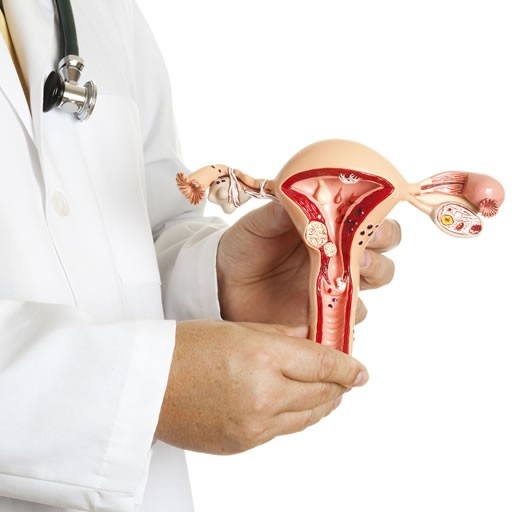
Uterine fibroids, medically known as leiomyomas, are non-cancerous growths that develop in or around the uterus. They are extremely common, particularly among women of reproductive age. While some fibroids remain asymptomatic, others can significantly impact quality of life, fertility, and general well-being.
The severity of symptoms usually determines the need for uterine fibroids treatment. Women experiencing significant discomfort or complications are encouraged to seek medical advice for personalized treatment planning.
Treatment options for uterine fibroids depend on several factors, including fibroid size, location, severity of symptoms, patient age, and reproductive plans. Historically, surgical procedures such as hysterectomy (removal of the uterus) or myomectomy (surgical removal of fibroids) were standard. However, contemporary medicine increasingly favors less invasive alternatives, offering effective symptom relief while preserving the uterus.
Among these options, uterine fibroid embolization has emerged as a highly effective, uterus-preserving treatment with growing popularity due to its minimally invasive nature and excellent clinical outcomes.
Uterine fibroid embolization (UFE) is a minimally invasive, image-guided procedure performed by an interventional radiologist. Rather than removing fibroids surgically, UFE works by cutting off their blood supply, causing the fibroids to shrink naturally over time.
The procedure is typically performed under local anesthesia, often on an outpatient basis, and avoids the risks associated with major surgery.
UFE has become a preferred uterine fibroids treatment for many women due to its advantages over traditional surgical procedures.
Clinical studies indicate that most women experience significant improvement in heavy bleeding, pelvic pain, and pressure within weeks to months following the procedure. Many patients also report improved fertility outcomes post-UFE.
While UFE is highly effective, not all patients are suitable candidates. Ideal candidates generally:
A comprehensive evaluation, including imaging such as ultrasound or MRI, is essential before recommending uterine fibroid embolization to ensure safety and optimal results.
Thyroid nodules are lumps that form within the thyroid gland, located at the base of the neck. These nodules are common and mostly benign, with many individuals unaware of their presence until detected during routine examinations. While most nodules are harmless, some may grow in size, cause discomfort, or interfere with hormone production, requiring medical intervention.
In the past, surgery was often the default treatment for symptomatic nodules. However, modern minimally invasive techniques now offer effective alternatives.
For patients seeking thyroid nodule treatment without surgery, interventional radiology provides safe, effective options that avoid scars, general anesthesia, and lengthy recovery. These procedures focus on reducing nodule size while preserving normal thyroid tissue.
These methods are particularly effective for benign nodules causing cosmetic or functional concerns.
Opting for thyroid nodule treatment without surgery offers several advantages for eligible patients:
Patients can experience symptom relief and nodule reduction without the disruption and risks associated with thyroidectomy.
Both uterine fibroids and thyroid nodules exemplify a shift in modern medicine toward targeted, minimally invasive treatments.
|
Aspect |
Surgical Treatment |
Non-Surgical Treatment |
|
Recovery time |
Longer |
Shorter |
|
Hospital stay |
Extended |
Minimal |
|
Scarring |
Possible |
Minimal or none |
|
Organ preservation |
Not always |
Often preserved |
|
Risk profile |
Higher |
Lower |
These non-surgical approaches allow patients to receive effective treatment while maintaining their quality of life, avoiding long hospital stays, and reducing complications.
Not every patient is suitable for non-surgical treatment. Personalized medical assessment is critical to determine the best approach. Imaging studies, laboratory tests, and thorough clinical evaluations ensure that the chosen therapy is both safe and effective.
Consultation with specialists experienced in uterine fibroid embolization or thyroid nodule treatment without surgery ensures optimal outcomes, individualized care, and minimal risk.
Modern healthcare now offers patients effective, less invasive alternatives for conditions that once required major surgery. Uterine fibroids treatment has evolved with procedures like uterine fibroid embolization, providing women with a safe, uterus-preserving solution. Similarly, advances in thyroid nodule treatment without surgery enable patients to reduce nodule size and discomfort while avoiding scars and prolonged recovery.
As awareness of these minimally invasive options grows, more patients can benefit from effective, safe, and efficient treatments. Informed decision-making, guided by experienced medical professionals, remains essential for achieving the best possible outcomes with minimal disruption to everyday life.

© 2025 Crivva - Hosted by Airy Hosting Managed Website Hosting.