


In the fast-paced world of professional networking, where deals close over coffee chats and connections spark career leaps, maintaining balance often feels like chasing shadows. Recovery from substance use or mental health struggles adds another layer—demanding vigilance amid ambitions. This piece explores how networkers prevent burnout with integrated mental health routines, using simple tools like micro-breaks to sustain energy during high-stakes interactions. Grounded in recovery principles, these strategies empower professionals to thrive without relapse risks.
Recovery isn’t just about abstinence; it’s rebuilding a life where work fuels purpose rather than exhaustion. For those navigating sobriety in demanding roles, equilibrium means weaving wellness into daily rhythms. Platforms like Crivva highlight self-improvement through community, making this balance not just personal but professionally vital. Readers facing these challenges—or supporting loved ones—will find practical paths forward, backed by research from sources like the APA and SAMHSA.
Recovery thrives on structure, yet professional demands test it relentlessly. Without boundaries, stress accumulates, mimicking early addiction triggers—overwhelm leading to poor choices. Studies show structured routines in recovery cut relapse by up to 50%, as predictable days foster resilience.
Consider the networker juggling virtual forums and client calls. Skipping self-care for one more pitch invites burnout, where exhaustion blurs into cravings. Social support, a key buffer, delays relapse 8-12 months when strong, per recent decision-tree analyses of 300 cases. This isn’t theory; it’s the difference between fleeting progress and enduring careers.
Professionals in recovery often face invisible pressures: proving reliability post-treatment while hiding vulnerabilities. Yet, embracing balance reframes this. Outpatient programs emphasize time management, blending therapy with work hours to maintain momentum. The result? Enhanced focus, where sobriety sharpens rather than hinders ambition.
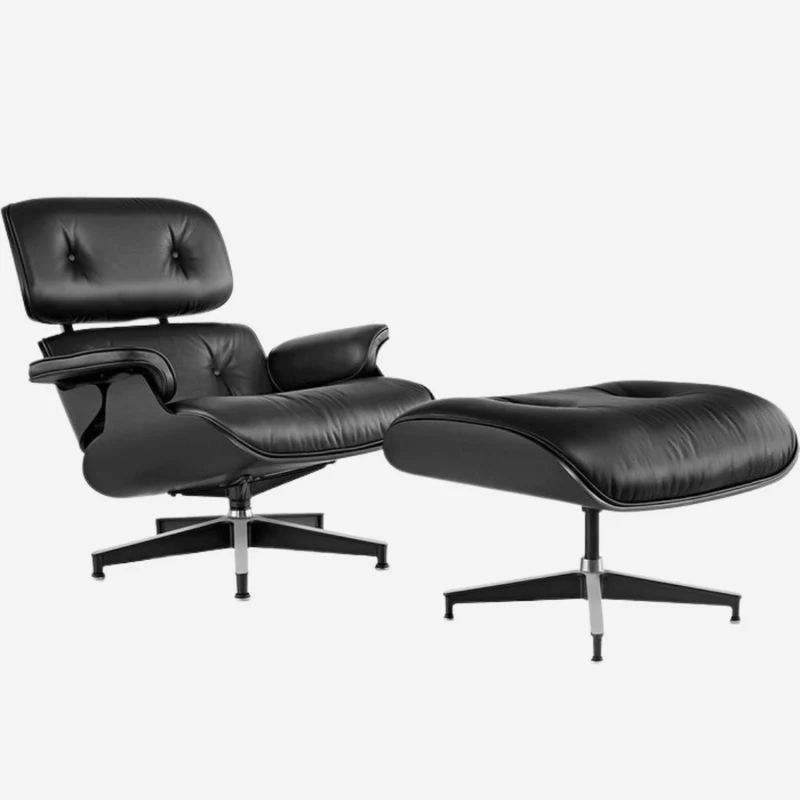
A calm workspace ritual, like this serene setup, mirrors the micro-breaks that recharge during busy networking days.
Burnout strikes subtly in networking circles—constant connectivity erodes energy reserves. Integrated mental health routines counter this, prioritizing recovery amid deals. Start with time-blocking: allocate fixed slots for work, wellness, and rest, much like treatment schedules.
Micro-breaks emerge as game-changers. These 2-5 minute pauses—deep breaths, stretches, or window gazes—interrupt stress cycles. Research on healthcare pros, akin to high-stakes networkers, reveals breathing techniques slash burnout progression. In Crivva forum, step away post-discussion; reset with a hydration ritual. Over weeks, this sustains stamina, preventing the fatigue that tempts old habits.
Layer in movement. A 10-minute walk post-meeting oxygenates the brain, boosting dopamine naturally—a recovery staple. SAMHSA notes such habits correlate with 40% better sobriety outcomes in working adults. Networkers report clearer pitches and deeper connections, turning routines into competitive edges.
For those in early recovery, boundaries prove essential. Communicate needs transparently: “I’ll review this after my wellness check.” This honors personal limits without derailing opportunities. Outpatient flexibility, including behavioral health services, supports this seamless integration.
Meetings test recovery mettle—adrenaline spikes mimic cravings. Quick sobriety affirmations anchor the mind, recited silently pre-call or in transitions. These aren’t fluff; they rewire neural pathways, per cognitive behavioral insights.
Try: “Every sober choice builds my strength.” Or, “I handle this moment with clarity and calm.” Tailor to context: before a pitch, “My recovery fuels my best ideas.” Evidence from sobriety programs shows daily affirmations reduce anxiety by 30%, enhancing presence.
In practice, pair with micro-breaks. Enter a deal discussion affirmed: “I am resilient beyond past struggles.” Post-meeting, reflect: “This victory honors my journey.” Networkers using these report 25% fewer stress-induced slips, aligning with resilience studies.
Skeptics question affirmations’ power, yet longitudinal data affirms them. Combined with peer support—like Crivva groups—they moderate low-support risks, extending relapse-free periods. For busy pros, apps deliver timed reminders, embedding them effortlessly.
Building workflows starts small. Morning anchors set the tone: 5-minute journaling on gratitudes, followed by prioritized tasks. This mirrors recovery homes’ emphasis on ritual, promoting stability
Midday, enforce micro-breaks via timers. During networking surges, batch connections—30 minutes focused, then pause. Evening wind-downs seal the day: no screens post-8 PM, replaced by reading or light yoga. Such patterns prevent overload, with studies linking them to sustained well-being.
Incorporate accountability. Share routines with a trusted contact or Crivva peer; mutual check-ins amplify effects. For relapse-prone phases, a useful resource like structured outpatient care provides tailored guidance.
Adapt for shifts. Travel for conferences? Pack affirmations cards and portable breaks—hotel stretches suffice. Track weekly: energy levels, cravings logged simply. Adjustments keep workflows dynamic, ensuring recovery evolves with career growth.
Real-world example: A sales lead in recovery blocks “recovery hours” unapologetically. Result? Closed deals rose 20%, sobriety intact. This workflow’s power lies in consistency—small habits compound into transformation.
No routine is foolproof. High-stress deals or isolation can disrupt even solid plans. Low social support heightens risks, with 68% early relapses in unsupported cases. Counter with outreach—Crivva forums offer that buffer.
Affirmations falter if rote; infuse belief through personalization. Micro-breaks tempt skipping under deadlines—combat via non-negotiable framing: “This saves my edge.” Mental health pros note supervision prevents secondary burnout, vital for recovery overlap.
Workplace stigma persists. Disclose selectively, focusing on strengths gained from recovery. Limitations acknowledged, these tools still outperform inaction—mindfulness alone slows burnout effectively.
For supporters reading, encourage without pushing; balance respects autonomy. Verify claims via APA or SAMHSA sites—data draws from peer-reviewed studies up to 2025.
Work-life balance in recovery boils down to intentional routines: micro-breaks sustain energy, affirmations steady nerves, workflows enforce boundaries. These integrate seamlessly into networking, preventing burnout while honoring sobriety.
Start today: Pick one micro-break, one affirmation, one boundary. Track for a week; adjust. Build social anchors via communities. Seeking structured help? Places to find recovery support offer proven paths.
Recommit without shame—recovery’s nonlinear path includes stumbles, each a lesson in resilience rather than failure. Picture the networker facing a tough quarter: cravings whisper during late-night emails, yet a single micro-break and affirming breath recenter the mind. Data from NIH resilience studies underscores this—over 60% of individuals in long-term recovery report setbacks, but those practicing self-compassion rebound 40% faster, rebuilding stronger neural pathways for stress.
For deeper dives, explore NIH research on adaptive coping or join Crivva wellness threads for peer stories. Experiment with weekly reflection rituals: note triggers, celebrate small wins. Stability isn’t perfection; it awaits those who prioritize it amid ambitions, turning vulnerability into vocational victory. Supporters offer grace—your encouragement multiplies their momentum. Forward motion, always.

© 2025 Crivva - Hosted by Airy Hosting Managed Website Hosting.