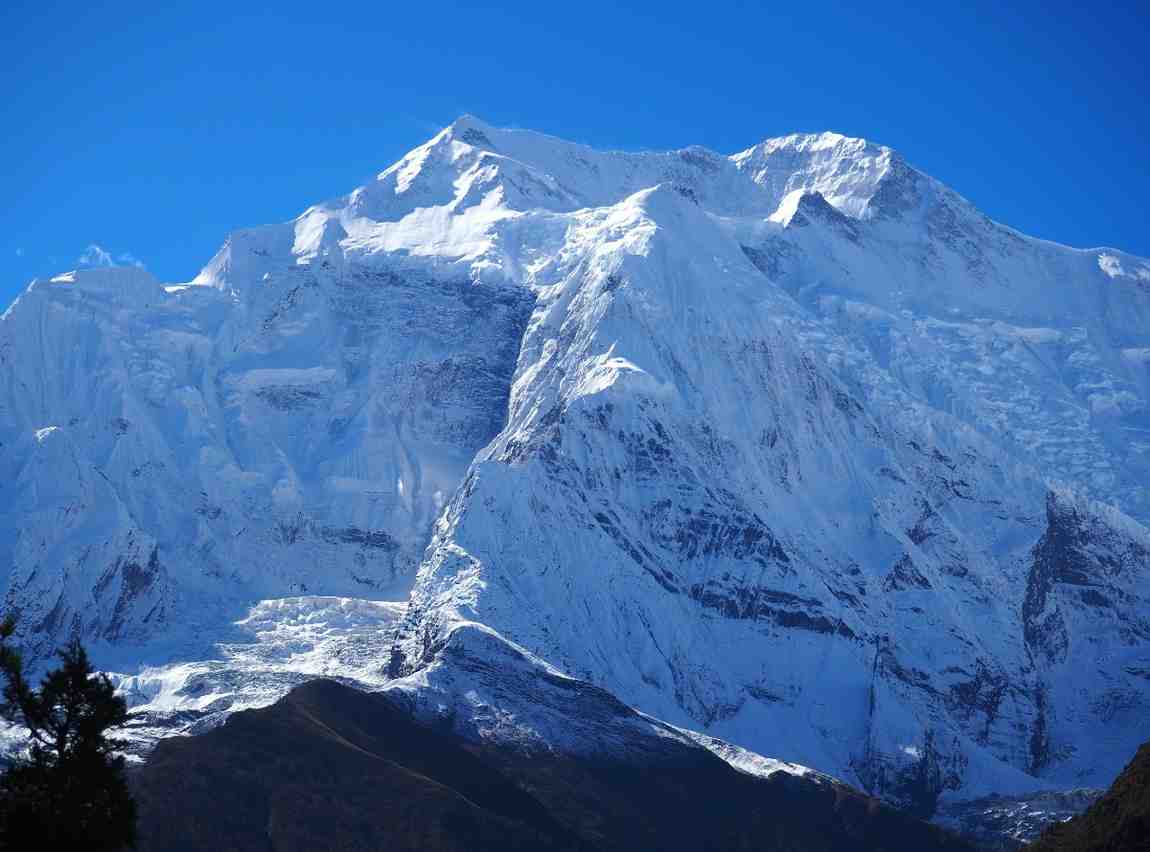
A sharp white pyramid rises above the valleys of Nepal, standing quiet and powerful against the sky. The journey of climbing Pisang Peak is not a normal trek—it feels like entering a world where snow, wind, and silence rule everything. Each step takes you higher into the heart of the Himalayas, where nature becomes stronger and life becomes simpler. With the help of Nepal Social Treks, this adventure becomes well-guided, safer, and more meaningful, as their experienced team supports climbers from the first trail to the final summit push.
A Hidden Peak in the Annapurna Himalayas
Pisang Peak lies in the beautiful Annapurna Region, one of the most famous trekking areas in Nepal. The peak stands at 6,091 meters, rising above the village of Pisang and the wide Manang Valley. From a distance, it looks peaceful and simple, but as you move closer, its steep icy slopes and rocky ridges show its real challenge.
The journey begins on the classic Annapurna Circuit trail. Trekkers pass through green hills, deep river valleys, and traditional stone villages. Prayer flags move in the wind, and small monasteries appear along the way. The land slowly changes as you go higher, becoming dry, cold, and open. This transition from green forests to snowy mountains is one of the most beautiful parts of the journey.
Trek and Climb Statistics You Should Know
Before starting this adventure, it is important to understand the basic facts of the journey:
- Average duration: 15 to 20 days
- Total distance: Around 70 to 90 kilometers (including approach and descent)
- Maximum elevation: 6,091 meters (Pisang Peak Summit)
This expedition is considered a trekking peak climb. It combines long trekking days with technical climbing sections. While it is not the hardest Himalayan peak, it still requires good fitness, basic climbing skills, and mental strength.
Journey Through the Annapurna Circuit
The approach to Pisang Peak is part of the famous Annapurna Circuit. This section alone is a major adventure. The trail passes through many different landscapes and cultures.
At lower altitudes, trekkers walk through lush forests filled with pine and rhododendron trees. Birds sing in the background, and rivers flow beside the trail. As you move higher, the forest slowly disappears. The land becomes dry, rocky, and open.
The Manang Valley is one of the most important stops. This valley is home to ancient villages where people live a traditional lifestyle. The houses are built from stone, and the people follow Tibetan-influenced culture. Here, trekkers rest and prepare for the higher climb ahead.
Life in the Manang Valley
The Manang Valley is a key part of the journey. It sits at a high altitude, where the air is already thin. Life here is simple and closely connected to the mountains.
People in Manang are friendly and welcoming. They rely on farming, yak herding, and tourism. Trekkers often spend extra days here to adjust to the altitude. These rest days are important for safety before climbing higher.
From Manang, the views become more dramatic. Snow-covered peaks rise around the valley, and the environment feels more remote and wild.
Reaching Pisang Peak Base Camp
From Manang, the trail continues toward the base of Pisang Peak. The path becomes steeper and more isolated. Trees are gone now, replaced by dry hills, rocks, and glacier views.
Base Camp is set in a quiet, open area surrounded by mountains. Tents are usually used here, and climbers prepare their gear. The atmosphere is calm but focused. Everyone knows the real challenge is about to begin.
From Base Camp, climbers can see the peak clearly for the first time. Its icy slopes rise sharply into the sky, reminding everyone of the effort ahead.
Climbing Experience: Ice, Rope, and Focus
The climb itself is the most exciting and demanding part. It includes snow slopes, icy walls, and rocky sections. Climbers use ropes, crampons, and ice axes for safety.
Early mornings are the best time to climb. The snow is firm, and the weather is more stable. As climbers move higher, the air becomes thinner, and every step requires more energy.
Communication becomes important. Teams move slowly and stay connected. Guides lead the way, checking snow conditions and ensuring safety at every step.
From the upper sections, views become truly breathtaking. Peaks like Annapurna II and other Himalayan giants appear in the distance, glowing in the sunlight.
High Camp and Mountain Silence
Before the final push, climbers usually stay at High Camp. This is a cold, quiet place with no vegetation. Only snow, rocks, and sky surround you.
Nights at High Camp are very different from life in villages. There is no noise except wind. The stars are bright and clear. Sleeping can be difficult due to altitude and cold weather, but rest is important for the summit attempt.
At this stage, climbers focus on hydration, energy, and mental preparation. The summit is close, but the hardest part is still ahead.
The Summit Push: Final Challenge
The summit climb begins early, often before sunrise. Headlamps light the way as climbers move slowly up the snowy slopes.
This is the most demanding part of the expedition. The air is very thin, and each step feels heavy. But motivation is strong—everyone is focused on reaching the top.
As the sun rises, the mountains start to glow. The final ridge becomes visible. Slowly, step by step, the summit gets closer.
When climbers finally reach the top of Pisang Peak, everything changes. The world opens in every direction. Endless snow peaks, deep valleys, and wide skies create a powerful moment that is hard to describe. It feels like standing above the world.
Descent and Return Journey
After the summit, the descent begins. Coming down is faster but still requires care. Snow conditions can change, and tired bodies need attention.
As climbers return to lower villages, the landscape becomes warmer and greener again. Forests return, rivers flow louder, and life feels easier. The journey feels like moving from a different world back to reality.
Support from Nepal Social Treks
Planning and completing a climb like Pisang Peak is not easy without support. Nepal Social Treks plays an important role in making the expedition safe and organized. They provide experienced climbing guides, necessary permits, and complete logistics support.
They also arrange accommodation, meals, and transport during the journey. Their team understands high-altitude safety and helps climbers adjust properly. This support is very important for a successful summit.
They also focus on responsible tourism, working closely with local communities and protecting the fragile mountain environment. Their service ensures that the experience is not only adventurous but also respectful to nature and culture.
Why Pisang Peak Stands Out
Pisang Peak is special because it offers both trekking and climbing in one journey. It is not as crowded as other peaks, which makes the experience more peaceful and personal.
The changing landscapes—from green valleys to icy slopes—make the journey unforgettable. It teaches patience, strength, and respect for the mountains.
Unlike simple treks, this climb pushes your limits while still being achievable for well-prepared adventurers.
Final Thoughts: A True Himalayan Achievement
The adventure of climbing Pisang Peak is more than just reaching a summit. It is a journey through culture, nature, and personal challenge. Every stage of the climb—walking through villages, crossing high valleys, and stepping onto icy slopes—builds strength and confidence.
With the expert guidance of Nepal Social Treks, this ultimate Himalayan challenge becomes safer, better organized, and deeply rewarding. From the first step in the Annapurna trails to the final moment on the snowy summit, Pisang Peak offers a memory that stays for a lifetime.