

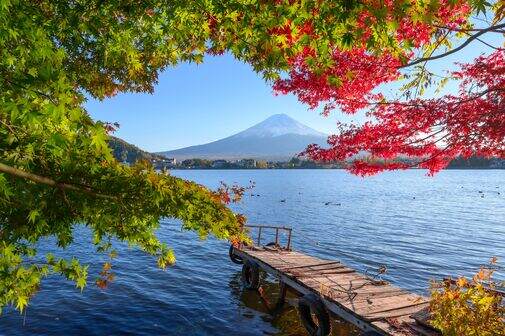
When people imagine Japan, they often picture neon-lit cityscapes, bullet trains, and ancient temples tucked between skyscrapers. While these images are iconic, they tell only part of the story. Beyond the cities lies a Japan shaped by mountains, forests, coastlines, and pilgrimage paths – landscapes that many travelers overlook in favor of urban highlights.
For those willing to step off the classic route, Japan reveals itself as a country of deep wilderness, spiritual trails, and quiet natural beauty. From alpine ridges to subtropical rainforests, these nature escapes offer a slower, more intimate way to experience the country.
The Japanese Alps: High Peaks and Timeless Villages
Stretching across central Honshu, the Japanese Alps are divided into the Northern, Central, and Southern ranges. This region offers some of Japan’s most dramatic scenery, yet it remains far less visited than Tokyo or Kyoto.
In the Northern Alps, towns like Kamikochi and Tateyama serve as gateways to hiking routes framed by jagged peaks and clear rivers. Trails range from gentle walks along valley floors to challenging multi-day treks across mountain ridges. During summer, alpine flowers bloom across high plateaus, while autumn brings vivid foliage that rivals any temple garden.
What makes the Alps special is the blend of nature and tradition. Mountain villages preserve historic homes, local hot springs, and regional cuisine rooted in seasonal ingredients. Staying in a ryokan after a long day of hiking, soaking in an onsen as mist rises from the mountains, feels like stepping into a different rhythm of life.
Yakushima: An Ancient Forest Shaped by Rain
Off the southern coast of Kyushu lies Yakushima, an island often described as mystical. Covered in dense cedar forests and receiving heavy rainfall throughout the year, Yakushima feels worlds away from mainland Japan.
The island is famous for its ancient cedar trees, some estimated to be over a thousand years old. Moss blankets rocks and roots, creating an atmosphere that feels almost prehistoric. Trails wind through cloud forests, past waterfalls, and up into misty mountains.
Hiking here is not about speed or distance. It is about immersion. The constant sound of rain, the filtered light through towering trees, and the sense of isolation make Yakushima one of Japan’s most meditative landscapes. Despite its beauty, it remains a destination for travelers who actively seek nature rather than stumble upon it.
Shikoku Pilgrimage: Walking Through Spiritual Landscapes
Shikoku, Japan’s smallest main island, offers a unique blend of nature and spirituality through the 88-temple pilgrimage route. Traditionally completed on foot, this journey circles the island and passes through mountains, forests, rural towns, and coastal roads.
Not all travelers walk the full route. Many choose sections that appeal to them, combining hiking with local stays. The pilgrimage paths often cut through quiet countryside where daily life continues much as it has for generations.
What makes Shikoku special is its sense of continuity. The trails are not separated from modern life, but woven into it. Walkers pass farmers working fields, small shrines tucked into forests, and seaside roads where waves break just meters away. It is a deeply human way to experience Japan’s natural and cultural landscape at the same time.
Hokkaido National Parks: Japan’s Wild North
Hokkaido, Japan’s northernmost island, feels distinctly different from the rest of the country. Wider spaces, fewer crowds, and cooler climates define this region. Its national parks are among the most expansive and untamed in Japan.
Parks like Daisetsuzan offer volcanic landscapes, alpine meadows, and long-distance hiking routes that feel almost remote by Japanese standards. In Shiretoko National Park, travelers encounter rugged coastlines, wildlife sightings, and untouched forests that stretch to the sea.
Seasonality plays a major role here. Summer brings wildflowers and long daylight hours, while autumn transforms the land into layers of gold and red. Winter, though challenging, reveals a snow-covered wilderness ideal for experienced adventurers. Hokkaido rewards travelers who prioritize nature over convenience.
Coastal Trails and Quiet Shores
Japan’s coastline is vast and varied, yet many visitors see only urban waterfronts. Beyond the cities, coastal trails wind past cliffs, fishing villages, and hidden beaches.
Regions like the Kumano Coast or the Noto Peninsula offer walking routes where mountains meet the sea. These paths provide dramatic views, fresh seafood meals, and encounters with local communities shaped by maritime life.
Coastal travel in Japan is often about slowing down. Trains run less frequently, towns are smaller, and the landscape encourages lingering rather than rushing. For travelers seeking space and perspective, these shores offer a powerful contrast to city travel.
Why These Places Are Often Missed?
Japan’s efficiency makes city-to-city travel easy, which can unintentionally narrow itineraries. Many travelers feel pressed to “see everything,” leaving little time for nature escapes that require longer stays or flexible planning.
Language concerns, transport logistics, and a lack of mainstream promotion also contribute. Yet these destinations are increasingly accessible, especially for travelers willing to plan thoughtfully and stay connected while navigating rural areas.
Exploring Japan’s rural landscapes often means navigating limited transport options, infrequent train schedules, and remote trailheads where signage may be minimal. Reliable connectivity becomes especially important for checking routes, weather conditions, and accommodation details in real time. Many travelers opt for an eSIM for Japan by Voye Global to stay connected while moving through mountains, forests, and coastal regions, avoiding reliance on inconsistent Wi-Fi or physical SIM cards.
A Different Way to Understand Japan
Exploring Japan’s nature is not just about scenery. It reveals values rooted in balance, respect for seasons, and coexistence with the environment. Mountains, forests, and coastlines are not separate from culture here – they shape it.
Spending time in these landscapes also changes how travelers move through Japan. Days become less scheduled, attention shifts away from must-see lists, and moments of stillness start to matter. A quiet forest path, the sound of waves along a rural coast, or mist lifting from a mountain valley invites reflection in a way few urban experiences can. This slower rhythm allows visitors to connect not just with nature, but with themselves, making the journey feel personal rather than performative.
By stepping beyond the usual routes, travelers discover a Japan that feels quieter, deeper, and profoundly grounding. These landscapes remind visitors that Japan’s identity is as much natural as it is modern.
For those willing to look beyond the obvious, Japan’s nature escapes are not side trips. They are the heart of the country, waiting patiently for travelers ready to listen.

© 2025 Crivva - Hosted by Airy Hosting Managed Website Hosting.