


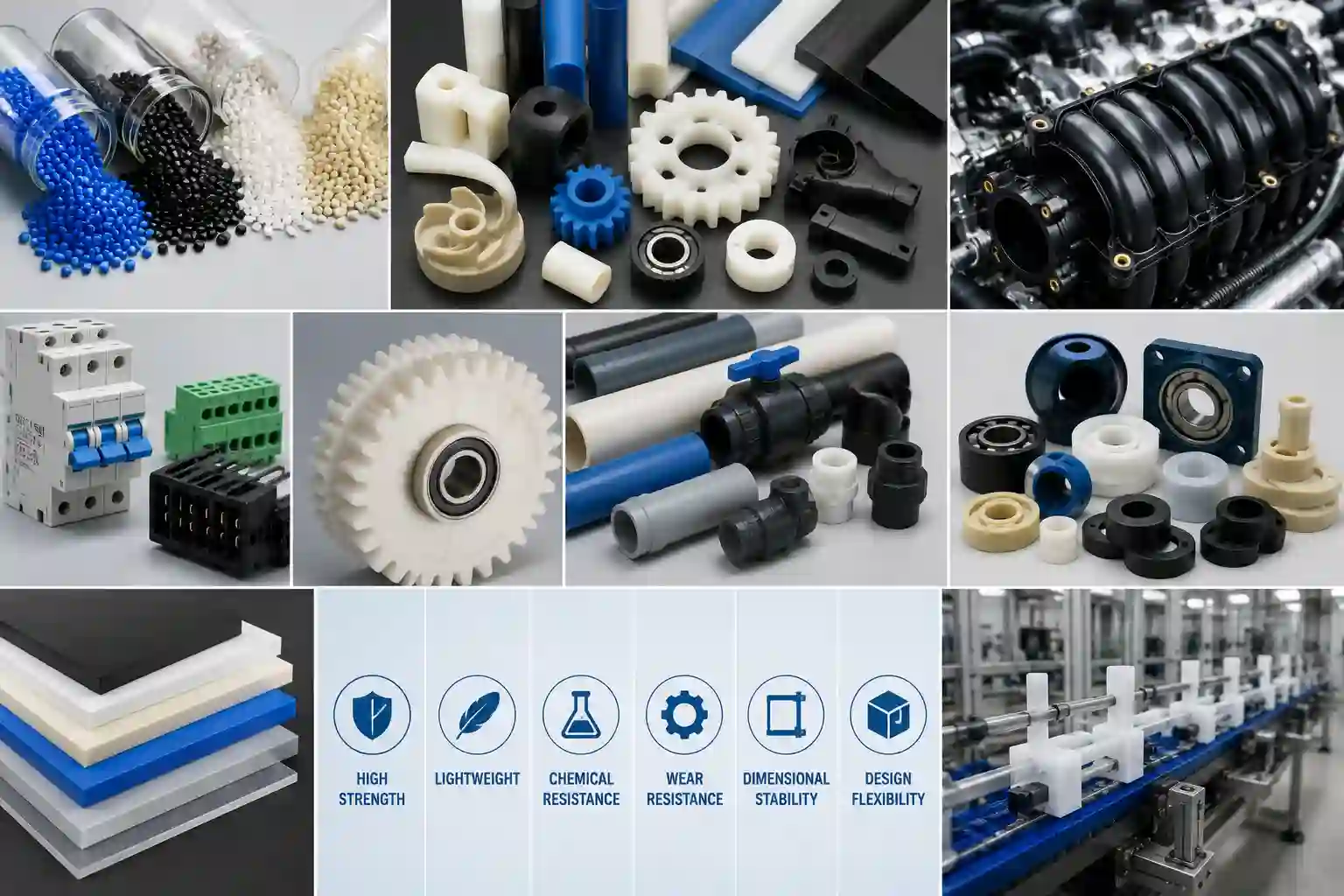
Japan Engineering Plastics have become an integral part of modern manufacturing due to their exceptional strength, durability, lightweight properties, and ability to perform in demanding environments. These advanced materials are increasingly replacing conventional metals and standard plastics in a wide range of applications, including automotive components, electronics, industrial machinery, healthcare equipment, and consumer products. As industries continue to prioritize efficiency, performance, and sustainability, engineering plastics are gaining greater importance across Japan’s highly advanced industrial ecosystem.
The growing emphasis on precision manufacturing and technological innovation has encouraged manufacturers to adopt materials that can deliver reliable performance while supporting design flexibility. Engineering plastics offer a unique combination of mechanical strength, thermal resistance, chemical stability, and cost-effectiveness, making them suitable for applications where traditional materials may be less practical. Their versatility has positioned them as a key material category supporting industrial modernization and product innovation across multiple sectors.
Engineering plastics differ from commodity plastics because they are designed to provide superior mechanical and thermal properties. Materials such as polyamide (PA), polycarbonate (PC), polyoxymethylene (POM), polyphenylene sulfide (PPS), polyethylene terephthalate (PET), and acrylonitrile butadiene styrene (ABS) are commonly used in applications that require durability and reliability.
Japan has long been recognized for its expertise in advanced materials and precision manufacturing. The country’s industrial sectors demand high-performance components capable of meeting strict quality and safety standards. Engineering plastics help manufacturers achieve these objectives by offering excellent dimensional stability, wear resistance, and lightweight characteristics while maintaining cost efficiency.
Unlike conventional materials, engineering plastics can be molded into complex shapes, allowing manufacturers to simplify product designs and reduce production costs. Their adaptability makes them particularly valuable in industries that require continuous innovation and performance optimization.
One of the primary reasons for the growing adoption of engineering plastics is their lightweight nature. Reducing product weight has become a major objective across industries as companies seek to improve energy efficiency, reduce transportation costs, and enhance overall performance.
Engineering plastics often provide similar functionality to metal components while significantly reducing weight. This advantage is particularly important in transportation and mobility-related applications, where every reduction in weight can contribute to improved operational efficiency.
Manufacturers are increasingly redesigning products to incorporate advanced polymer materials that can maintain structural integrity while minimizing overall mass. As a result, engineering plastics are becoming a preferred solution for various structural and functional components.
The automotive sector represents one of the most significant application areas for engineering plastics in Japan. Vehicle manufacturers continuously seek innovative materials that can improve fuel efficiency, support electrification initiatives, and enhance vehicle performance.
Engineering plastics are used in numerous automotive applications, including interior components, engine parts, fuel systems, lighting assemblies, electrical connectors, and battery-related components. Their ability to withstand heat, chemicals, and mechanical stress makes them suitable for demanding automotive environments.
As electric vehicle development accelerates, lightweight and high-performance materials are becoming increasingly important. Engineering plastics help reduce vehicle weight while supporting the integration of sophisticated electronic systems. Their insulating properties also make them valuable in battery management and electrical applications.
According to the International Energy Agency (IEA), advancements in vehicle technologies and electrification are reshaping transportation systems worldwide, increasing the need for innovative materials that can support efficiency and performance goals.
Japan’s electronics industry has historically been a global leader in innovation, producing advanced consumer devices, industrial electronics, semiconductors, and communication equipment. Engineering plastics play a critical role in supporting this ecosystem.
Electronic devices require materials that provide electrical insulation, dimensional stability, flame resistance, and durability. Engineering plastics meet these requirements while enabling manufacturers to create compact and lightweight products.
Applications include connectors, circuit board components, smartphone housings, laptop parts, sensors, switches, and semiconductor manufacturing equipment. As devices become more sophisticated and compact, the demand for materials capable of delivering reliable performance under challenging conditions continues to increase.
Engineering plastics also support miniaturization trends by enabling precise molding of intricate components that maintain high levels of functionality and durability.
Industrial automation is transforming manufacturing processes across Japan. Smart factories increasingly rely on advanced machinery, robotics, sensors, and automated systems to improve productivity and operational efficiency.
Engineering plastics contribute significantly to these developments by providing materials that can withstand continuous operation and harsh industrial environments. Components such as gears, bearings, rollers, conveyor systems, and robotic parts often utilize engineering plastics because of their wear resistance and low friction characteristics.
Compared to metal alternatives, engineering plastics may reduce maintenance requirements while supporting quieter and more efficient machine operation. Their corrosion resistance also makes them suitable for industrial environments exposed to chemicals and moisture.
As manufacturers continue investing in automation technologies, demand for reliable and high-performance engineering materials is expected to remain strong.
The World Bank highlights how advanced manufacturing technologies and industrial innovation can contribute to productivity improvements and long-term economic development, reinforcing the need for materials that support modern production systems.
Healthcare is another sector benefiting from advancements in engineering plastics. Medical devices require materials that offer biocompatibility, precision, durability, and resistance to sterilization processes.
Engineering plastics are increasingly used in diagnostic equipment, surgical instruments, drug delivery devices, laboratory tools, and various medical components. Their ability to maintain performance under strict regulatory and operational requirements makes them highly suitable for healthcare applications.
The growing demand for advanced healthcare technologies and aging populations in many developed economies are encouraging manufacturers to develop innovative medical products. Engineering plastics provide the design flexibility and performance characteristics necessary to support these innovations.
Additionally, the use of engineering plastics can help reduce device weight while maintaining reliability, improving usability for healthcare professionals and patients alike.
Sustainability has become a major priority for businesses across Japan. Organizations are increasingly evaluating materials based on their environmental impact, resource efficiency, and lifecycle performance.
Engineering plastics can contribute to sustainability initiatives by enabling lightweight product designs that reduce energy consumption during transportation and operation. Many advanced polymers also support longer product lifespans due to their durability and resistance to wear.
Manufacturers are investing in recycling technologies and bio-based material innovations to further improve environmental performance. The development of sustainable engineering plastic solutions is expected to create new opportunities across industrial sectors.
The United Nations Environment Programme (UNEP) emphasizes the importance of adopting resource-efficient materials and sustainable production practices to support environmental objectives and long-term economic resilience.
According to a study by MarkNtel Advisors, the Japan Engineering Plastics sector is witnessing increasing adoption across automotive, electrical and electronics, industrial machinery, healthcare, and consumer applications. The growing need for lightweight materials, improved product performance, and advanced manufacturing capabilities continues to encourage the use of engineering plastics throughout the country’s industrial landscape.
Manufacturers are also investing in research and development activities focused on improving material properties, enhancing sustainability, and addressing evolving industry requirements. These efforts are supporting the introduction of innovative engineering plastic grades designed for specialized applications.
Several prominent companies contribute to the development and supply of engineering plastics in Japan. Industry participants focus on product innovation, material performance enhancement, and expanding application opportunities across multiple sectors.
Leading companies continue investing in advanced polymer technologies, research partnerships, and sustainable manufacturing initiatives. Their efforts support the availability of high-quality engineering plastics capable of meeting increasingly demanding industrial requirements.
Despite the growing importance of engineering plastics, certain challenges remain. Fluctuations in raw material costs, environmental concerns regarding plastic waste, and evolving regulatory requirements may influence industry dynamics.
Manufacturers are addressing these challenges through material innovation, recycling initiatives, and the development of more sustainable solutions. Advances in polymer science are expected to improve material performance while reducing environmental impact.
Looking ahead, engineering plastics may continue gaining importance across key sectors as industries pursue efficiency, innovation, and sustainability objectives. The combination of technological progress, industrial modernization, and increasing demand for high-performance materials could indicate continued opportunities for engineering plastics throughout Japan’s manufacturing ecosystem.
Japan Engineering Plastics have become essential to numerous industries because they offer a combination of strength, durability, lightweight performance, and design flexibility. From automotive manufacturing and electronics to healthcare and industrial automation, these materials support the development of advanced products capable of meeting modern performance requirements.
As industries continue adopting innovative technologies and pursuing sustainability goals, engineering plastics are expected to remain an important component of Japan’s industrial future. Ongoing advancements in material science and manufacturing processes may further expand their applications, reinforcing their role across a diverse range of sectors and helping manufacturers address evolving market demands.

© 2025 Crivva - Hosted by Airy Hosting Managed Website Hosting.