

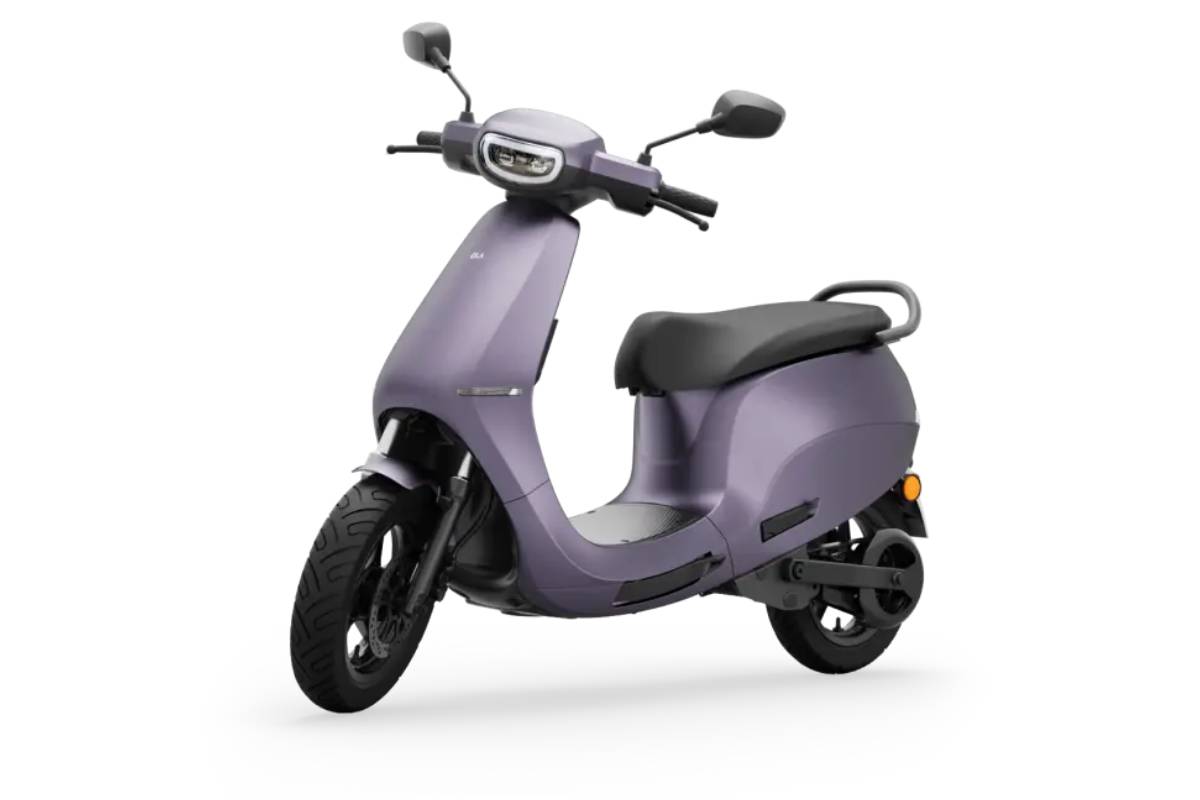
As urban mobility continues to evolve, electric scooters (e-scooters) have gained significant attention for their eco-friendliness and cost-saving potential. As a formidable alternative to traditional petrol scooters, they offer a new way to think about transportation. This article dives into the user journey of understanding whether an electric scooter is a better option than a petrol scooter for long-term financial savings.
Awareness of climate change and air pollution has prompted many consumers to explore greener alternatives. Electric scooters are becoming increasingly popular due to their lower environmental impact and reduced reliance on fossil fuels. With many countries setting ambitious targets for emissions reductions, it’s clear that electric two-wheelers are not just a trend but are paving the way for a more sustainable future.
When considering long-term savings, it’s essential to conduct a thorough analysis of the total cost of ownership for both electric and petrol scooters. The primary components of ownership costs include purchase price, fuel costs, maintenance costs, and resale value.
While the initial purchase price of electric scooters might be slightly higher than that of petrol scooters, it’s important to keep in mind that this can be mitigated through financing options. Many consumers turn to two-wheeler loans to make their purchase more manageable. This can spread the cost over a few months to years, making the transition to an electric scooter easier.
One of the most significant cost advantages of electric scooters comes from fuel savings. Electric scooters require charging, which typically costs much less than filling up a petrol tank. Depending on your area’s electricity rates and the efficiency of the vehicle, the cost to charge an electric scooter is significantly lower than the cost of petrol over time. Current trends indicate that many users experience savings of anywhere from 60% to 80% when they switch to an electric scooter.
Electric scooters generally have fewer moving parts than petrol scooters, leading to lower maintenance requirements. They do not require frequent oil changes, and their brake systems are usually simpler and less prone to wear. In contrast, petrol scooters require regular maintenance such as oil changes, air filter replacements, and more extensive repairs associated with the combustion engine. Over years of use, these maintenance routines can add up significantly.
Electric scooters also tend to come with warranties covering essential components for several years, providing additional peace of mind and potential savings.
When it’s time to upgrade or sell, the resale value can also play a significant role in determining overall ownership costs. Electric scooters are relatively new in the market, meaning that consumer awareness and demand are still fluctuating. However, as more people adopt electric vehicles, the resale value for electric scooters could stabilize and even appreciate, much like how petrol vehicles have historically retained value.
While this article focuses primarily on financial aspects, it’s worth mentioning that the environmental costs of transportation are becoming increasingly significant in consumer decision-making. Electric scooters have a much lower carbon footprint compared to petrol scooters, aligning with the values of many environmentally conscious consumers. Though it’s not a direct monetary cost, choosing an electric scooter over one that runs on petrol can represent a more sustainable lifestyle choice, leading to long-term savings for the planet as well.
Governments worldwide are recognizing the need for sustainable transportation and are introducing incentives to boost electric vehicle adoption. This can include tax deductions, rebates on electric vehicles, or reduced registration fees. These incentives can contribute to initial savings and further enhance the long-term financial benefits of opting for an electric scooter over a petrol variant.
Another vital aspect to consider is the technological advancements in battery life and performance. The longevity and efficiency of batteries have drastically improved in recent years, resulting in longer ranges and better overall performance for electric scooters. This can lead to reduced charging frequency and time, making them a convenient option for daily commuting.
Innovations in battery technology could also mean that e-scooters require fewer replacements over the years. Typically, battery health affects the resale value of electric scooters, but as technologies improve, the risk of severe battery degradation over time diminishes, further supporting the argument for long-term savings.
User experience also plays a role in the perceived value of electric scooters. They are often quieter than petrol scooters, contributing to a more pleasant travel experience. Additionally, they have the added convenience of being charged at home, eliminating the need for frequent trips to the petrol station. With numerous charging solutions developing rapidly, including home charging stations and public charging networks, the convenience factor for electric scooter owners is increasing.
The cultural shift towards eco-friendliness has influenced the perceptions surrounding electric transportation. Younger generations, particularly, are more inclined to make choices that reflect their environmental values. By using an electric scooter, consumers can feel good about contributing to a cleaner environment. This change in mindset may lead to a sustained demand for electric scooters, further solidifying their place in the two-wheeler market.
As urban areas become more congested, and environmental concerns continue to escalate, the electric scooter emerges as a viable alternative to traditional petrol scooters for those looking for long-term savings. While the initial costs might be higher, the cumulative savings from fuel, maintenance, and potential resale add up over time, making electric scooters an economically sound option.
Ultimately, the decision may vary based on individual circumstances, including location, usage patterns, and personal preferences. However, the financial benefits, combined with the growing availability of funding options and incentives, strongly suggest that for many consumers, the transition to an electric scooter is not just a smart move but a necessary step towards sustainable living.
By thoroughly considering all cost factors, potential savings, and overall user experience, you can make an informed decision that aligns with both your financial goals and environmental values. Whether you’re thinking about making the switch or are simply curious about the options, the evolving landscape of electric scooters presents an exciting avenue toward greener, more economical two-wheeler choices.

© 2025 Crivva - Hosted by Airy Hosting Managed Website Hosting.