

IP camera systems have become the foundation of commercial security infrastructure in today’s fast-moving business environment. As companies expand across locations and digital operations become the norm, surveillance solutions must evolve beyond simple recording devices. Businesses now require intelligent monitoring, centralized control, remote accessibility, and long-term scalability.
From retail chains and office complexes to warehouses, healthcare facilities, and industrial plants, IP camera systems offer a future-ready approach to commercial surveillance.
Traditional surveillance systems were designed for static environments. They relied heavily on analog wiring, centralized DVR systems, and limited viewing flexibility. Expanding such systems required physical infrastructure changes and often caused operational disruption.
Modern commercial environments demand flexibility. IP camera systems address this need by operating over secure network protocols. This allows organizations to monitor multiple locations from a centralized platform, integrate surveillance with digital tools, and expand coverage without rebuilding infrastructure.
This shift represents more than a technological upgrade. It reflects the growing need for proactive, data-driven security management.
As businesses expand across cities or regions, managing security individually at each site becomes inefficient. IP camera systems allow organizations to bring surveillance from multiple locations into a single centralized view. This enables security teams and decision-makers to monitor operations consistently, respond faster to incidents, and maintain uniform security standards across all branches. Centralized management reduces operational gaps and ensures that no location operates in isolation.
Many commercial sectors are required to follow safety, data protection, and operational compliance standards. IP camera systems help businesses meet these requirements by maintaining accurate visual records of daily activities. Recorded footage can support audits, resolve disputes, and provide documentation during investigations. By ensuring transparent monitoring and controlled access to data, businesses strengthen their risk management framework while maintaining accountability.
IP camera systems transmit digital video through network connections rather than traditional coaxial cables. This enables higher resolution footage, easier storage management, and remote viewing capabilities.
For commercial operations, this means:
Centralized monitoring dashboards
Real-time viewing from authorized devices
High-definition and 4K video clarity
Network-based recording and storage
Seamless integration with business systems
Because these systems operate within existing IT frameworks, they align well with modern enterprise infrastructure.
As businesses aim to reduce infrastructure complexity, wireless CCTV cameras have become an essential component of IP camera systems. These cameras connect securely through network connectivity, minimizing the need for extensive cabling.
Wireless CCTV cameras are particularly effective for:
Multi-level commercial properties
Rental business spaces
Expanding retail stores
Warehouses with changing layouts
Temporary installations
When integrated into IP camera systems, wireless CCTV cameras provide flexibility without compromising performance.
Video footage must provide accurate and usable information. Grainy or unstable recordings reduce the effectiveness of surveillance during investigations or audits.
Modern IP camera systems deliver high-resolution video that captures important details clearly. Reliable connectivity ensures stable performance even in demanding environments.
This is why organizations searching for the best CCTV camera brand focus not only on features but also on real-world reliability, durability, and secure data transmission.
Scalability is one of the strongest advantages of IP camera systems. As businesses grow, additional cameras can be integrated without replacing the entire network.
This makes IP-based surveillance ideal for:
Retail chains expanding into new regions
Corporate offices increasing workspace capacity
Manufacturing units expanding production lines
Logistics companies managing larger warehouses
IP camera systems protect long-term investment by adapting alongside business growth.
Choosing surveillance equipment is a strategic decision. The best CCTV camera brand offers consistent performance, secure data encryption, hardware durability, and dependable after-sales support.
Businesses must evaluate:
Network stability
Image quality under varying conditions
Cybersecurity measures
Compatibility with future upgrades
Technical service support
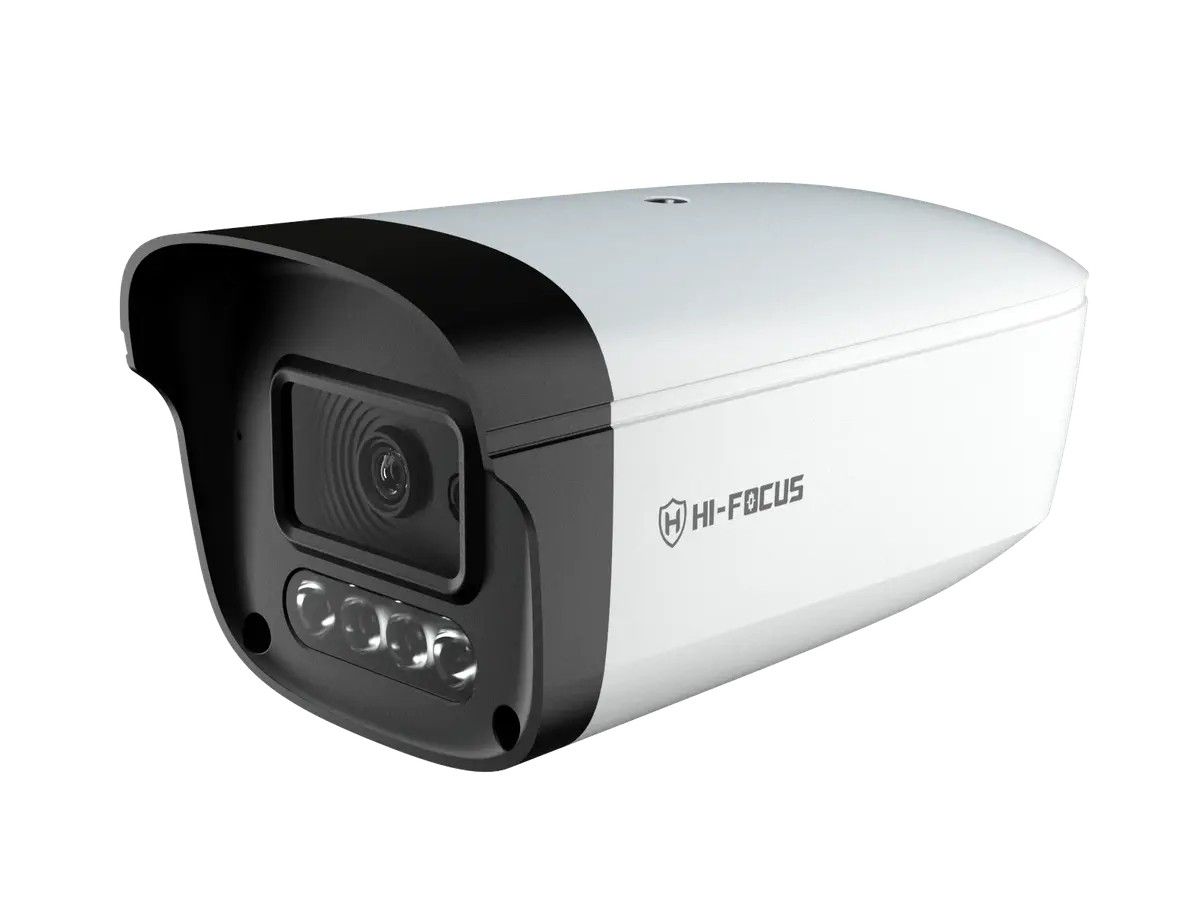
In India’s growing commercial surveillance market, HiFocus has built credibility by delivering IP camera systems designed for practical business environments. Their focus on performance stability and scalable architecture aligns with modern commercial needs.
Businesses exploring professional-grade IP camera systems can review available configurations under the IP Cameras category on the official website. For tailored system planning or deployment advice, the Contact Us section provides direct access to professional consultation.
IP camera systems now play a broader role in operational management.
Businesses use them to:
Monitor workflow efficiency
Analyze customer movement patterns
Ensure compliance with safety protocols
Support internal audits
Supervise inventory handling
This transformation has shifted surveillance from a passive recording tool to an active business intelligence resource.
As monitoring capabilities advance, ethical deployment becomes essential. Businesses must ensure transparency and compliance with privacy regulations.
Key practices include:
Informing employees and visitors
Restricting footage access to authorized personnel
Using encrypted storage systems
Maintaining clear surveillance policies
Responsible use strengthens trust while protecting organizational integrity.
Successful implementation begins with careful planning. Businesses should assess:
Coverage zones and blind spots
Lighting conditions across premises
Network bandwidth capacity
Storage duration requirements
Future scalability expectations
Professional consultation often improves placement strategy and long-term performance outcomes.
The evolution of IP camera systems continues with advancements such as:
AI-assisted object detection
Improved video compression technology
Cloud-based storage integration
Advanced cybersecurity frameworks
Centralized remote management platforms
Organizations investing in adaptable IP camera systems today position themselves for seamless integration with future technologies.
IP camera systems are digital surveillance solutions that transmit video over secure networks, enabling centralized monitoring and remote access.
Yes. With proper network infrastructure, they are ideal for offices, warehouses, industrial facilities, and multi-location enterprises.
Wireless CCTV cameras connect through secure networks, reducing physical wiring while maintaining full IP-based digital functionality.
It ensures consistent video clarity, durable hardware, secure data encryption, and long-term support.
Internet access is required for remote viewing. Local recording can function within internal network environments.
Yes. IP-based systems are designed to scale efficiently as operational needs evolve.

© 2025 Crivva - Hosted by Airy Hosting Managed Website Hosting.