


For decades, insurance competition revolved around a single lever: price. Cheaper premiums won attention. Discounts closed deals. And loyalty? That was mostly accidental.
That era is fading fast.
Today’s customers don’t just compare numbers. They compare how it feels to interact with an insurer. How fast claims are resolved. How clearly policies are explained. How much effort does it take to get help when something goes wrong?
In a market where products are increasingly similar, experience has become the real differentiator.
Insurance buyers are more informed than ever. Comparison platforms, peer reviews, and instant policy quotes have flattened pricing advantages. When everyone offers “competitive rates,” price stops being special.
What customers notice instead:
Even a slightly cheaper policy can feel expensive if the experience is painful.
According to multiple industry studies, customers are far more likely to switch insurers due to poor service experiences than marginal pricing differences. That shift has forced insurers to rethink where they invest.

Customer experience used to live in marketing decks and brand slogans. Now it shows up directly on balance sheets.
Insurers that lead in experience consistently see:
In other words, experience is no longer a “nice-to-have.” It’s a growth engine.
Insurance is not a daily-use product. Which makes every interaction matter more.
The most critical experience moments include:
Winning insurers obsess over these moments, not just the initial sale.
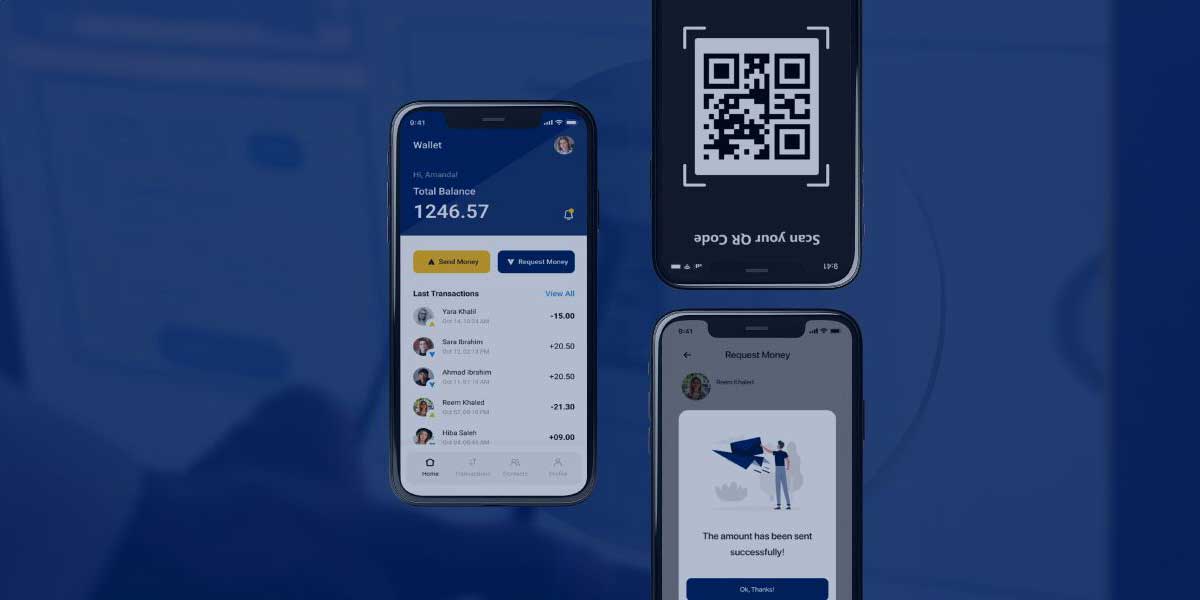
Modern policyholders expect insurance to behave like the apps they use daily.
That means:
Insurers investing in digital experience aren’t just “modernizing.” They’re removing friction that quietly erodes trust.
Key experience upgrades include:
These improvements don’t reduce human touch; they reserve it for moments where empathy actually matters.
Customers no longer expect insurers to treat everyone the same. They expect relevance.
Experience-led insurers are using data to:
This shift makes customers feel understood rather than processed.
Importantly, personalization isn’t about being intrusive. It’s about being helpful at the right time.
Marketing promises are easy. Claims are where insurers prove themselves.
A smooth claim experience typically includes:
Insurers that reduce uncertainty during claims don’t just settle cases faster; they build long-term trust.
This is also where experience investments show the strongest ROI. Faster, clearer claims reduce disputes, escalations, and churn.
Behind every great insurance experience is a strong technology infrastructure.
Insurers are increasingly partnering with Insurance Software Development Companies to modernize legacy systems, integrate intelligent workflows, and design customer-centric platforms that scale without breaking.
These partnerships enable:
The result is not just better tech but better experiences delivered consistently.
One overlooked truth: frustrated employees create frustrated customers.
Experience-focused insurers invest internally as much as externally by:
When agents have clarity and speed, customers feel it immediately.
Happy employees don’t just resolve issues faster; they communicate with more confidence and empathy.
Insurance is fundamentally built on trust. Experience is how that trust is earned or lost.
Experience-led insurers prioritize:
Customers don’t expect perfection. They expect fairness and clarity.
The insurance industry is not temporarily experimenting with experience. It’s structurally shifting toward it.
As products commoditize further, insurers will compete on:
Price will always matter. But it will no longer be enough.
Insurance has always promised security. What’s changed is how that promise is judged.
Customers no longer evaluate insurers only by premiums or coverage limits. They judge them by responsiveness during uncertainty, clarity during confusion, and empathy during stressful moments. In those moments, experience becomes the product.
As pricing models continue to converge and products grow harder to differentiate, experience is emerging as the most defensible advantage an insurer can build. Unlike discounts, it cannot be copied overnight. Unlike features, it compounds over time. Every smooth interaction, every transparent claim update, and every resolved issue quietly strengthens customer trust.
The insurers that will lead the next decade are not the ones racing to the bottom on price, but the ones investing in systems, teams, and cultures designed around the customer journey. They understand that loyalty is earned after the sale, not at the point of purchase.
In a market defined by long-term relationships, experience is no longer a layer on top of insurance; it is the moat that protects it.
1. Why is customer experience becoming more important than price in insurance?
Because pricing has become transparent and competitive, experience directly impacts trust, retention, and referrals.
2. Which part of the insurance journey impacts experience the most?
Claims handling is the most critical moment, as it directly affects customer confidence and loyalty.
3. How does digital transformation improve the insurance experience?
It reduces friction, speeds up processes, improves transparency, and enables self-service without removing human support.
4. Can a better experience really improve insurer profitability?
Yes. Higher retention, lower service costs, and stronger referrals directly improve long-term profitability.

© 2025 Crivva - Hosted by Airy Hosting Managed Website Hosting.