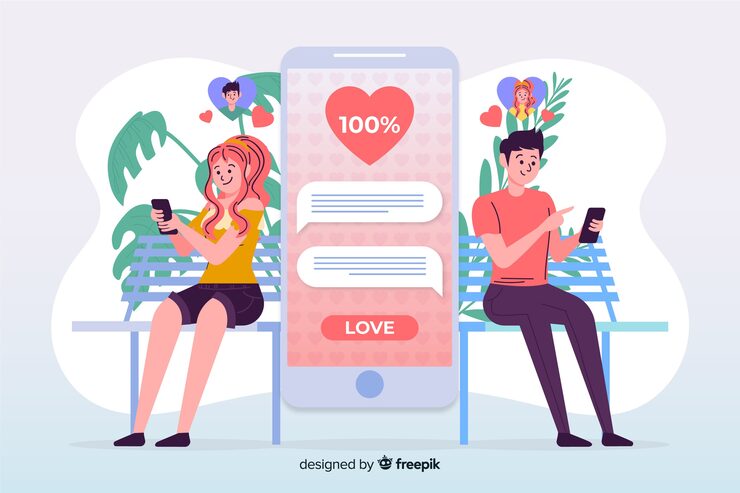


In the digital world, user experience plays a major role in business success. People expect websites and mobile applications to be fast, simple, and easy to use. If a digital product is confusing or slow, users leave quickly. This directly affects trust, engagement, and revenue. That is why UI and UX have become essential parts of digital strategy.
UI stands for User Interface. UX stands for User Experience. Together, they define how users interact with a product and how they feel while using it. Professional UI UX services focus on making digital products useful, usable, and enjoyable. When done right, they improve customer satisfaction and help businesses grow.
User experience is about the complete journey a user takes while interacting with a product. It includes how easy it is to find information, how smooth the navigation feels, and how quickly tasks can be completed. A good user experience reduces frustration and builds confidence.
User interface design focuses on visual elements. This includes layouts, colors, typography, buttons, icons, and spacing. UI design supports UX by guiding users naturally through the interface. A clean and consistent design helps users understand what to do without thinking too much.
When UI and UX work together, users feel comfortable and confident. This leads to longer sessions, higher engagement, and better results for businesses.
Today, users have many options. If one website or app feels difficult to use, users quickly move to another. A poor experience can damage brand perception within seconds. On the other hand, a smooth experience builds trust and loyalty.
Good user experience also reduces support costs. When users can complete actions easily, they ask fewer questions and face fewer issues. This saves time and resources for businesses.
Search engines also value user experience. Websites that load fast, work well on mobile devices, and keep users engaged often perform better in search results. This means UX has both direct and indirect benefits.
Professional UI UX work always starts with research. Designers study user behavior, preferences, and pain points. This helps them understand what users really need.
Research methods may include user interviews, surveys, usability testing, and data analysis. These insights guide design decisions. Instead of guessing, designers rely on real data.
This approach reduces risk. It ensures that the final product matches user expectations and business goals. Research-driven design leads to better outcomes.
Simple design does not mean boring design. It means clear and focused design. Users should understand what to do without instructions. Simple navigation, readable text, and clear buttons make a big difference.
When users find what they need quickly, they feel satisfied. This positive feeling encourages them to return. Over time, this builds long-term relationships between users and brands.
Professional ui ux design services focus strongly on simplicity. They remove unnecessary elements and highlight what matters most.
Consistency is another key factor in user experience. This includes consistent colors, fonts, layouts, and interactions across all pages and screens. When everything feels familiar, users feel safe.
Inconsistent design confuses users. They may hesitate or make mistakes. Consistent design reduces learning time and improves confidence.
Consistency is especially important for businesses that operate across websites, mobile apps, and platforms. A unified experience strengthens brand identity.
Good UI UX design considers all users, including people with disabilities. Accessibility features such as readable text sizes, proper contrast, keyboard navigation, and screen reader support help more people use digital products.
Accessible design is not only ethical but also practical. It expands the user base and improves usability for everyone. Many accessibility improvements also enhance general user experience.
Inclusive design supports long-term growth and compliance with global standards.
Mobile usage continues to grow worldwide. Many users interact with businesses primarily through smartphones. If a mobile experience is poor, users disengage quickly.
Responsive design ensures that interfaces adapt to different screen sizes. Touch-friendly buttons, fast loading times, and simple layouts are essential for mobile success.
Professional ui ux services focus on mobile-first thinking. This approach designs for smaller screens first and scales up for larger devices. It improves usability across platforms.
Visual design affects how users feel. Colors, typography, and imagery create emotional responses. Warm colors may feel friendly. Clean layouts may feel professional. Proper spacing improves readability.
Visual elements also guide attention. Well-designed interfaces lead users naturally from one step to another. This improves task completion and conversions.
Strong visual design supports usability instead of distracting from it. This balance is critical for success.
User experience and branding are closely connected. Every interaction shapes how users perceive a brand. A smooth and enjoyable experience creates positive associations.
Design elements should reflect brand values. For example, a modern brand may use clean lines and minimal colors. A creative brand may use bold visuals.
Professional graphic designing services often work alongside UI UX teams to maintain visual consistency and brand identity across digital products.
User experience directly affects conversion rates. Clear calls to action, simple forms, and easy navigation help users complete desired actions.
When users trust a product, they are more likely to sign up, make purchases, or contact businesses. UX removes obstacles from the user journey.
Even small improvements can lead to noticeable growth. Faster load times, clearer buttons, and better content structure all contribute to higher conversions.
Investing in UX early saves money later. When problems are identified during design, they are easier and cheaper to fix. Poor UX discovered after launch can be costly.
User testing helps catch issues before development is complete. This prevents rework and delays.
Well-designed products also require fewer changes over time. They are easier to scale and maintain.
Good user experience is not a one-time task. It is an ongoing process. User needs change, and digital products must adapt.
Continuous testing and improvement help products stay relevant. Analytics and feedback guide future updates.
Many successful digital products evolve slowly but steadily. UX plays a central role in this growth.
Organizations recognized as a Leading Website & Mobile App Development Company often prioritize user experience at every stage of product development.
Loyal customers are valuable. They return, recommend, and trust the brand. UX plays a big role in building loyalty.
When users feel understood and respected, they stay longer. Simple design, fast performance, and helpful features create positive experiences.
Loyal users also provide feedback. This helps businesses improve and innovate.
UX success can be measured using different metrics. These include task completion rates, bounce rates, session duration, and user satisfaction scores.
Qualitative feedback is also important. User comments and reviews reveal insights that numbers cannot.
Regular measurement helps teams understand what works and what needs improvement.
UI UX continues to evolve. New technologies such as voice interfaces, artificial intelligence, and augmented reality are shaping user interactions.
Despite changes, the core principles remain the same. Understand users. Keep design simple. Focus on usability.
Professional UI UX practices will continue to be a key driver of digital success.
Professional UI UX plays a critical role in improving user experience and driving business growth. It helps users feel comfortable, confident, and satisfied. It supports branding, increases conversions, and reduces long-term costs.
Simple design, research-based decisions, accessibility, and consistency create strong digital products. As user expectations continue to rise, businesses that prioritize UI UX will stay competitive.
User experience is not just about design. It is about people. When digital products respect users’ time and needs, growth follows naturally.

© 2025 Crivva - Hosted by Airy Hosting Managed Website Hosting.