

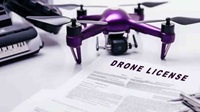
Flying a drone has become one of the most exciting hobbies and one of the fastest-growing professional skills worldwide. Whether you want to capture cinematic aerial footage, perform inspections, or build a drone services business, learning the legal requirements is the first critical step. Getting a drone license not only keeps you compliant with aviation laws but also improves your knowledge, safety, and confidence as a drone pilot. This complete guide will walk you through everything from understanding regulations to getting certified and flying responsibly.
Many beginners wonder: Do I really need a drone license? If you want detailed information, check our Drone License guide.
There are three primary factors:
Country’s Regulations – Every nation has specific rules for drone pilots to protect airspace and public safety.
Drone Weight – Drones above 250g usually require registration or licensing.
Purpose of Flying – Recreational flying is simple, while commercial work always requires a license.
A valid drone license protects you from fines, drone confiscation, or other legal issues. More importantly, it proves that you understand airspace rules, emergency procedures, no-fly zones, and privacy laws — which are essential for safe and responsible flying.
Drone laws differ worldwide. Here are a few examples:
USA (FAA): Drones above 250g must be registered. Commercial drone pilots must pass the Part 107 exam.
UK: Requires an Operator ID and Flyer ID. Commercial pilots typically need the A2 CofC.
Canada: Basic and Advanced Pilot Certificates are mandatory depending on distance-from-people rules.
Australia: Requires a Remote Pilot License (RePL) for most commercial drone operations.
Most countries update rules frequently, so always check the official aviation authority website or national drone application before flying. Using tools like B4UFLY, Drone Assist, or AirMap can help you check no-fly zones instantly.
Not all licenses are the same. Choose the one that fits your needs:
Designed for casual flyers who are flying for fun. Usually includes simple registration or an online safety test.
Required when you earn money with your drone, such as:
Real estate photography
Agriculture mapping and spraying
Inspection of powerlines and towers
Construction and land surveying
Cinematic film production
Commercial licenses require a written exam and sometimes a practical flight test.
Used for advanced operations such as:
Flying at night
Flying close to airports
Flying Beyond Visual Line Of Sight (BVLOS)
Using heavy or industrial-grade drones
Choosing the right license early saves time and avoids unnecessary costs.
Before getting licensed, most countries require you to register your drone. This usually involves:
Providing your basic information
Paying a small fee
Receiving a unique identification number
Attaching that ID to your drone visibly
For example, FAA registration costs $5 and lasts three years. Some countries also require labeling for safety and tracking.
Commercial drone licenses require passing a theoretical knowledge exam. Common subjects include:
Airspace classifications (A–G)
Aviation weather and METAR/TAF reports
Emergency procedures
Understanding restricted zones
Drone maintenance and safety
Navigation charts
Radio communication basics
Flight planning and risk management
There are many online training platforms, YouTube tutorials, and practice tests designed for beginners.
After studying, schedule your exam with your aviation authority. Make sure to bring:
A valid ID
Drone registration details
Appointment confirmation
Most drone license exams are multiple-choice and test your theoretical knowledge. Some countries require a practical test to evaluate your flight skills, such as hovering, smooth takeoff/landing, emergency handling, and basic maneuvers.
Passing the exam shows that you understand safe flying techniques and airspace regulations.
Once you pass the exam, you’ll receive your drone pilot certificate or digital license. This license allows you to:
Fly commercially and get paid
Apply for nighttime or restricted airspace permissions
Access more job opportunities
Build client trust and professional credibility
Most drone licenses must be renewed every 2–3 years through refresher tests or online renewals.
Having a license doesn’t mean you can fly anywhere. You must still follow essential safety rules:
Keep your drone within visual line-of-sight (VLOS)
Stay away from airports, heliports, and military zones
Fly below the maximum allowed altitude (usually 400 ft)
Avoid flying over crowds, highways, or private properties
Check weather conditions before flying
Respect privacy and avoid recording people without permission
Use updated maps to avoid restricted areas
Following these rules protects both you and others around you.
Professional drone pilots maintain logs and records, such as:
Flight logs
Battery health checks
Firmware updates
Drone maintenance records
Insurance policy updates
License renewal reminders
Good record-keeping is essential for inspections, audits, and professional work.
To help you fly confidently from day one:
Start in a large empty field, park, or open area to build control and confidence.
Drone batteries drain quickly — having 2–3 extra batteries allows smoother operations.
Facebook groups, local drone clubs, and online forums help you learn new updates and tips.
Understanding wind speed helps avoid crashes, especially with lightweight drones.
A pre-flight checklist improves professionalism and reduces mistakes.
Adding sections like these not only increases word count but also improves value for readers.
1. What is the cost of getting a drone license?
Costs vary. The FAA Part 107 exam costs around $175 in the USA.
2. Can I fly without a license?
Recreational flights may not require a license, but commercial flights always do.
3. How long does it take to get a license?
Anywhere from a few days to a few weeks depending on exams and processing time.
4. Is drone insurance required?
Not always, but it’s strongly recommended for commercial missions.
5. Is my drone license valid in other countries?
No, drone licenses are not universal. Rules vary by country.
6. Can minors obtain a license?
Commercial licensing normally requires applicants to be at least 16 years old.
Getting a drone license is not just a legal requirement — it’s an investment in your skills and future. Whether you want to fly professionally or enjoy the hobby responsibly, understanding regulations, preparing for the exam, and following safety standards will make your flying experience smoother and more enjoyable. With the right training and responsible practices, you can explore endless opportunities in real estate, inspections, mapping, agriculture, filmmaking, and much more.

© 2025 Crivva - Hosted by Airy Hosting Managed Website Hosting.