


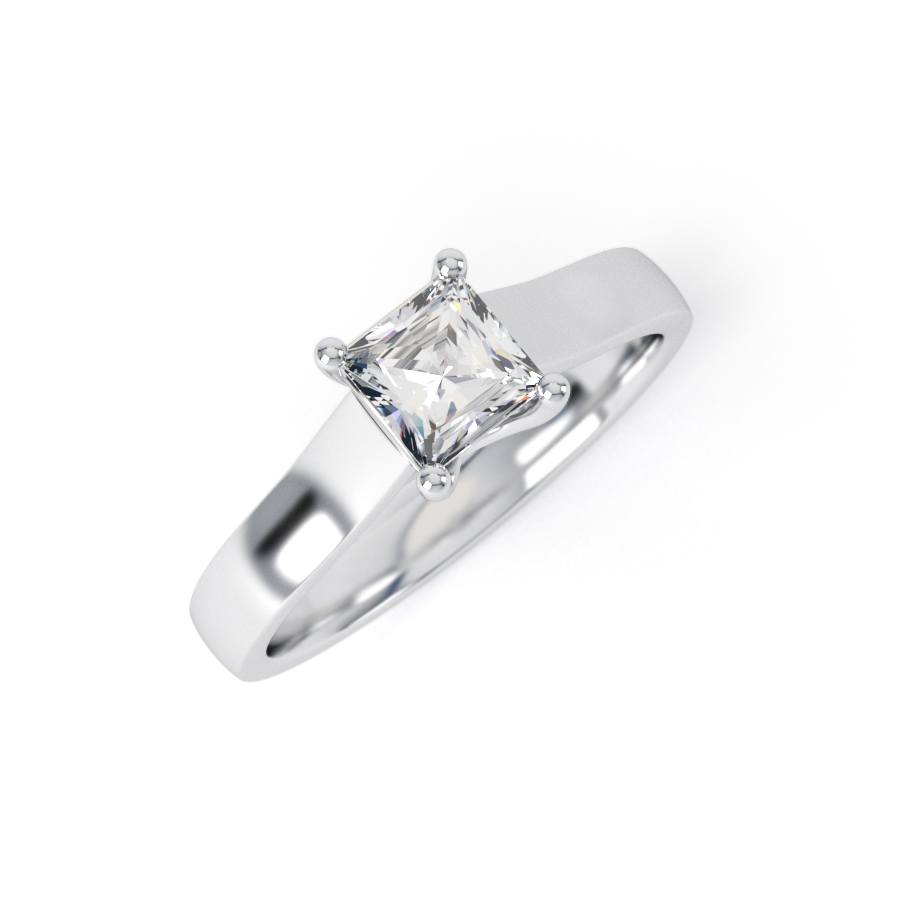
Buying a diamond ring is one of the most meaningful purchases most people will ever make. Whether it’s for an engagement, a special anniversary, or simply a gift to mark a moment that matters, the process can feel both exciting and a little daunting. With so many options available today — from high street jewellers to specialist boutiques — knowing where to start is half the battle.
This guide is designed to cut through the confusion and give you a clear, practical understanding of what to look for, what to avoid, and how to find a ring that truly reflects the person wearing it.
The diamond industry relies on four core criteria to assess the quality of any stone. These are cut, colour, clarity, and carat weight — collectively known as the Four Cs. Each one plays a role in how a diamond looks and what it’s worth.
Cut refers to how well the diamond has been shaped and faceted. It’s arguably the most important of the four because even a large, flawless stone will look dull if the cut is poor. A well-cut diamond reflects light beautifully, creating that signature sparkle. When you’re considering diamond ring designs, always prioritise cut above the other characteristics.
Colour is graded on a scale from D (completely colourless) to Z (noticeably yellow or brown). Colourless diamonds, graded D to F, are the rarest and most expensive. However, many people find that a G or H grade stone looks just as bright to the naked eye, especially once it’s set in a ring.
Clarity measures the presence of internal flaws (inclusions) and surface blemishes. The scale runs from Flawless down through various grades to Included. In practice, a stone with slight inclusions that aren’t visible to the naked eye can represent excellent value without sacrificing visual quality.
Carat refers to the weight of the diamond, not its size. Two diamonds of the same carat weight can look quite different depending on their cut and shape. A well-cut one-carat stone can appear larger than a poorly cut one-and-a-half-carat stone.
The metal you choose for the band significantly affects the overall look of the ring. Platinum is the most popular choice for fine jewellery in the UK due to its durability and naturally white sheen. It doesn’t need replating over time, unlike white gold, which requires rhodium plating to maintain its brightness.
White gold is a more affordable alternative that looks very similar to platinum. Yellow gold has made a strong comeback in recent years and suits warmer skin tones particularly well. Rose gold, with its soft pinkish hue, is a romantic and fashionable option that pairs beautifully with round and oval diamonds.
The metal you choose should complement both the diamond and the wearer’s personal style. Think about their everyday jewellery and what metals they tend to gravitate towards.
The setting is the structure that holds the diamond in place, and it has a major impact on how the stone is displayed. A solitaire setting places a single diamond on a plain band — it’s timeless, elegant, and never goes out of fashion. A halo setting surrounds the central stone with a circle of smaller diamonds, making the centre stone appear larger.
Pavé and channel settings incorporate small diamonds along the band itself, adding sparkle and light. Bezel settings wrap the diamond in metal for a more modern, secure look. Each setting style suits different personalities and lifestyles.
If the wearer is active or works with their hands, a lower profile setting with more metal protection — such as a bezel or flush setting — is a practical choice. For those who love drama and sparkle, a halo or multi-stone design will rarely disappoint.
Beyond the round brilliant cut — which remains the most popular due to its unmatched sparkle — there is a wide range of diamond shapes to consider. Each has its own personality and aesthetic.
Princess cut diamonds are square with sharp corners and a modern feel. Oval cuts elongate the finger and maximise perceived size. Cushion cuts have a romantic, vintage quality with their rounded corners and pillow-like appearance. Pear and marquise shapes are elegant and distinctive, ideal for someone who likes to stand out.
Emerald and asscher cuts have a more architectural, art deco quality. They rely on clarity for their beauty, as the large flat facets make inclusions more visible. If you opt for one of these shapes, invest in higher clarity grades.
Setting a budget before you begin browsing is sensible. A common guideline suggests spending two months’ salary on an engagement ring, though this is entirely a personal decision. In the UK, diamond ring prices vary enormously based on stone quality, setting complexity, and brand.
You don’t need to spend a fortune to find something beautiful. Being flexible on one of the Four Cs — perhaps opting for a slightly lower colour grade or a smaller stone in an impactful setting — can help you get more for your money. A skilled jeweller can help you balance quality and budget effectively.
Wherever you buy from, ensure the retailer provides a certificate from a recognised grading laboratory such as the GIA (Gemological Institute of America) or the IGI (International Gemological Institute). This certification guarantees that the diamond has been independently assessed and that its qualities match what you’re being told.
It’s also worth buying from a jeweller with strong customer reviews, transparent return policies, and ideally, a physical presence so you can view the ring in person before committing. Reputable UK jewellers will be happy to answer questions and take time with you.
Getting the right ring size is crucial. If you’re buying as a surprise, there are discreet ways to find out — borrowing a ring they already wear on the relevant finger and having it measured is the most reliable method. Many jewellers will resize a ring after purchase, so don’t panic if you’re not certain.
Once you have the ring, care for it properly. Remove it when swimming, applying lotions, or doing heavy work. Clean it regularly with warm soapy water and a soft brush. Have it professionally checked once a year to ensure the setting is secure and the stone is safe.
A diamond ring is meant to last a lifetime. With the right knowledge and a little patience, you can find one that will be treasured for generations.

© 2025 Crivva - Hosted by Airy Hosting Managed Website Hosting.