

The car rental industry has experienced significant digital transformation over the past decade. Customers no longer want to visit rental offices or complete lengthy paperwork before reserving a vehicle. Instead, they expect a seamless mobile experience that allows them to search, compare, book, and manage rentals directly from their smartphones.
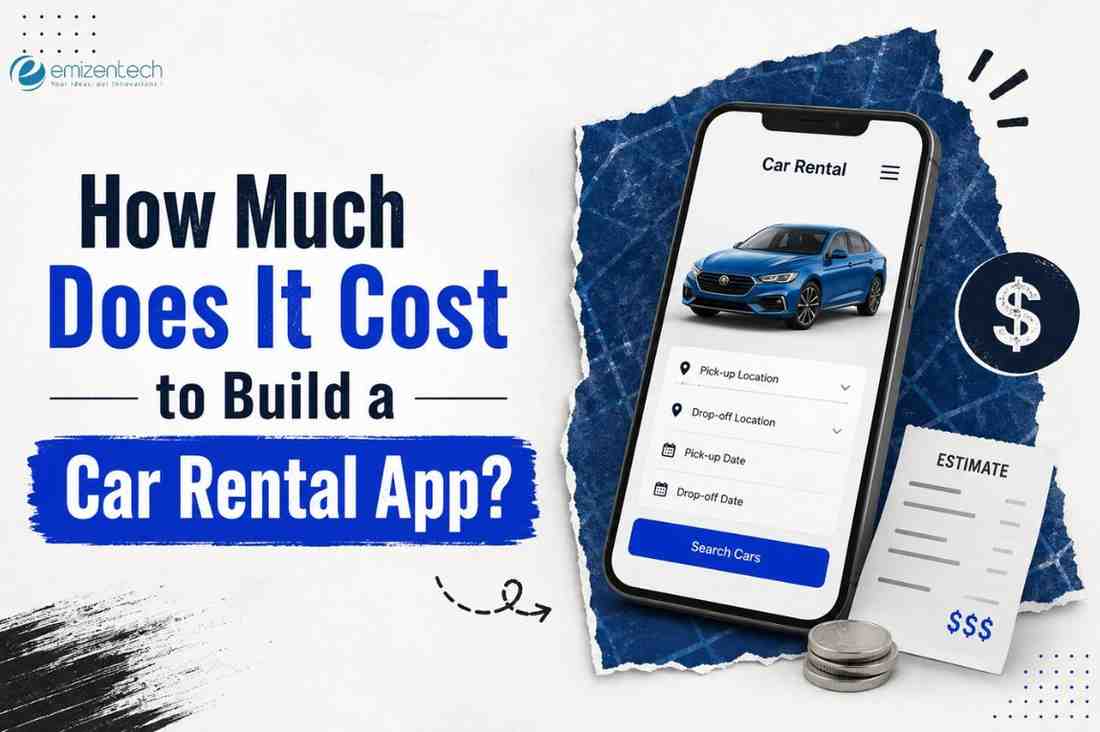
As businesses look to capitalize on this growing demand, one question often arises: How much does it cost to build a car rental app?
The answer depends on several factors, including app complexity, feature requirements, platform selection, design customization, third-party integrations, and development resources. A basic rental app may require a modest investment, while a feature-rich platform similar to Turo or other leading mobility applications can involve significantly higher development costs.
Understanding the factors that influence pricing helps businesses plan budgets more effectively and make informed development decisions.
Mobile applications help rental companies improve customer convenience while streamlining internal operations. Instead of relying on manual booking systems, businesses can automate reservations, manage fleet availability, process payments, and communicate with customers through a centralized platform.
As consumer expectations continue to evolve, companies that invest in digital mobility solutions gain a competitive advantage through improved efficiency, better customer experiences, and stronger brand visibility.
The total cost of building a car rental application depends on several technical and business-related factors. Understanding these variables helps businesses estimate project scope and budget requirements more accurately.
Application complexity is one of the biggest cost drivers. A basic platform with limited functionality costs significantly less than an advanced mobility ecosystem with real-time tracking and marketplace capabilities.
A simple application may focus primarily on vehicle browsing and reservations. More advanced solutions include GPS tracking, automated pricing, payment processing, analytics dashboards, fleet management systems, and customer communication tools.
As functionality increases, development effort and infrastructure requirements also increase.
The number of platforms significantly impacts development costs.
Businesses may choose to build:
Developing for multiple platforms increases development time but allows businesses to reach a wider audience. Many companies begin with a cross-platform approach to reduce initial development costs while maintaining broad market coverage.
User experience directly influences customer satisfaction and booking conversions.
Custom interfaces, advanced animations, interactive vehicle displays, and personalized user experiences generally require more design and development effort than standard layouts.
While premium design increases project costs, it often improves engagement, retention, and long-term customer value.
Real-time functionality is a core component of any successful rental application.
The platform must continuously synchronize:
Building reliable real-time systems requires specialized backend architecture, which increases development complexity and overall project costs.
Modern rental applications rely heavily on location-based functionality.
GPS integration allows customers to locate vehicles, access navigation support, and receive real-time updates. Businesses use location services for fleet monitoring and operational management.
These integrations require additional development resources and third-party services, contributing to the total project budget.
Secure payment processing is essential for any rental platform.
Most applications support:
Integrating payment gateways while maintaining compliance with security standards requires additional implementation and testing effort.
Fleet management tools help businesses monitor vehicle availability, maintenance schedules, reservations, and operational performance.
Advanced dashboards provide administrators with centralized control over rental operations while generating valuable business insights.
The more sophisticated the management system becomes, the higher the development investment required.
A basic car rental app generally includes user registration, vehicle listings, booking functionality, and payment processing. These applications are suitable for businesses looking to establish a digital presence without extensive operational features.
While every project is different, businesses can generally expect the following cost ranges:
A basic application typically includes vehicle listings, user registration, booking functionality, and payment integration.
Estimated Cost: $15,000 – $30,000
Mid-level platforms often include GPS tracking, push notifications, admin dashboards, customer reviews, and enhanced booking workflows.
Estimated Cost: $30,000 – $60,000
Advanced solutions include real-time tracking, AI-powered recommendations, fleet management systems, dynamic pricing, analytics, subscription models, and marketplace functionality.
Businesses researching apps like Turo often discover that advanced mobility platforms require significantly more development effort because of their marketplace architecture and operational complexity.
Estimated Cost: $60,000 – $150,000+
Actual costs vary depending on project requirements, technology stack, and development approach.
The number and complexity of features directly affect project costs.
Common features include:
Businesses should prioritize features according to immediate business goals rather than attempting to build every feature during the first release.
Reducing costs does not necessarily mean sacrificing quality. Strategic planning can significantly improve development efficiency.
One effective approach is launching a Minimum Viable Product (MVP) that includes only essential features. This allows businesses to validate ideas, gather user feedback, and refine the platform before investing in advanced functionality.
Businesses should also work with experienced providers offering car rental app development services because proper planning often prevents expensive redevelopment and scalability issues later. Choosing scalable architecture from the beginning also reduces future infrastructure and maintenance costs.
The development partner you select has a significant influence on both project costs and long-term success. Experienced agencies understand booking systems, mobility workflows, scalability planning, and security requirements. Their expertise helps businesses build stable platforms that support future growth while avoiding common technical mistakes.
Although low-cost providers may appear attractive initially, poor architecture and weak scalability planning often result in higher costs over time through maintenance issues and redevelopment efforts.
The agency or development team you choose plays a major role in determining both cost efficiency and project success.
Experienced mobility-focused companies understand:
Their expertise helps businesses avoid common technical mistakes while improving development efficiency and long-term platform stability. A lower initial quote may appear attractive, but poor architecture and weak scalability planning often lead to significantly higher costs over time.
The cost of building a car rental app depends on business goals, platform complexity, feature requirements, and scalability expectations. A simple application may require a relatively modest investment, while advanced mobility ecosystems can involve substantially higher budgets due to their technical complexity.
Rather than focusing solely on development costs, businesses should consider long-term value, user experience, scalability, and operational efficiency. A well-planned car rental platform can become a powerful business asset that drives growth, improves customer satisfaction, and strengthens market competitiveness.
A basic car rental application typically costs between $15,000 and $30,000, depending on features and platform requirements.
Real-time booking systems, GPS tracking, marketplace functionality, and advanced fleet management features are among the biggest cost drivers.
Yes. Many startups begin with an MVP version that includes essential booking and management features before expanding functionality later.
Development timelines vary based on complexity, but most projects require anywhere from three to nine months.
Marketplace platforms require additional infrastructure for real-time synchronization, peer-to-peer transactions, user verification, payment handling, and scalability, which significantly increases development complexity and cost.

© 2025 Crivva - Hosted by Airy Hosting Managed Website Hosting.