

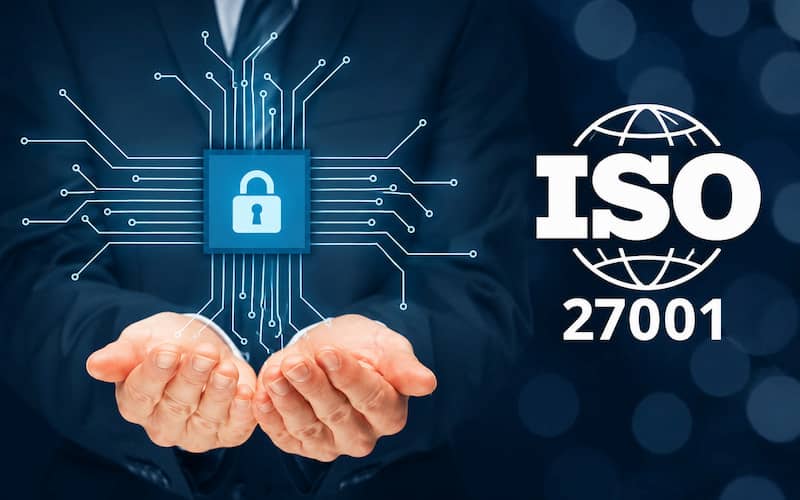
As Saudi Arabia accelerates its digital transformation through Vision 2030, organizations face increasing pressure to strengthen their cybersecurity posture and protect sensitive information. Government regulations, customer expectations, and growing cyber threats have made information security a top business priority. For organizations seeking iso 27001 certification in saudi arabia, implementing an internationally recognized information security management system provides a structured approach to managing cyber risks while supporting compliance with national cybersecurity expectations. Understanding ISO 27001 Help Meet Saudi Cybersecurity requirements enables businesses to improve resilience, safeguard critical assets, and build trust with customers, partners, and regulators.
Saudi Arabia has invested heavily in digital infrastructure across industries such as finance, healthcare, manufacturing, energy, telecommunications, and government services. As organizations adopt cloud computing, remote work, artificial intelligence, and connected technologies, cyber risks continue to evolve.
Businesses must protect:
Customer information
Financial records
Intellectual property
Employee data
Operational systems
Confidential business information
A structured information security management framework helps organizations identify vulnerabilities, reduce cyber risks, and establish consistent security practices throughout the business.
ISO 27001 is an internationally recognized standard for establishing, implementing, maintaining, and continually improving an Information Security Management System (ISMS).
Rather than focusing on individual security tools, the standard creates a comprehensive management framework covering:
Risk management
Security policies
Access controls
Incident management
Employee awareness
Asset protection
Business continuity
Continuous improvement
This systematic approach helps organizations manage information security proactively instead of reacting after incidents occur.
Organizations operating in Saudi Arabia must demonstrate strong governance over information security. Implementing ISO 27001 supports this objective by introducing internationally accepted best practices that align with many cybersecurity principles expected by regulators and business partners.
Instead of applying generic controls, organizations identify:
Information assets
Potential threats
Business vulnerabilities
Risk levels
Appropriate mitigation measures
This enables resources to be focused on the most significant security risks.
The standard establishes clear responsibilities for information security throughout the organization.
Examples include:
Defined security roles
Management accountability
Policy documentation
Regular performance reviews
Internal audits
Effective governance creates consistency across departments and business processes.
Organizations manage information according to its importance and sensitivity.
This includes:
Data classification
Secure storage
Controlled access
Encryption where appropriate
Secure disposal procedures
These measures reduce the likelihood of unauthorized disclosure or data loss.
A well-implemented ISMS addresses multiple aspects of organizational security.
Access is granted based on business needs.
Typical controls include:
User authentication
Password policies
Multi-factor authentication
Role-based permissions
Account monitoring
Organizations maintain inventories of:
Hardware
Software
Databases
Cloud resources
Information assets
Understanding assets improves protection and accountability.
Businesses establish procedures for:
Detecting incidents
Reporting security events
Investigating breaches
Containing threats
Recovering operations
Learning from incidents
Preparedness significantly reduces business disruption.
Many cyber risks originate through third parties.
Organizations evaluate suppliers by reviewing:
Security practices
Contract requirements
Data handling procedures
Ongoing monitoring
Managing external risks strengthens the entire supply chain.
Implementing an internationally recognized security management framework delivers advantages beyond regulatory alignment.
Customers increasingly expect businesses to protect confidential information responsibly.
Demonstrating structured security management helps build long-term trust.
Organizations become better equipped to:
Identify threats early
Prevent security incidents
Reduce vulnerabilities
Improve response capabilities
Security incidents can interrupt operations and cause financial losses.
A proactive management system improves business resilience by preparing organizations for unexpected events.
Many government agencies, multinational companies, and large enterprises prefer working with suppliers that demonstrate mature information security practices.
Certification can strengthen bidding opportunities and improve market credibility.
Security threats constantly evolve.
Regular reviews, audits, and management evaluations help organizations continually improve their security posture.
Successfully implementing an information security management system typically involves several structured phases.
Organizations identify:
Business objectives
Regulatory obligations
Critical information assets
Security expectations
The organization evaluates potential threats and determines appropriate security controls.
Documented processes are created for:
Information security
Access management
Incident response
Risk treatment
Asset management
Technical, physical, and administrative controls are introduced throughout the organization.
Employees receive awareness training so they understand:
Security responsibilities
Safe working practices
Reporting procedures
Password management
Social engineering risks
Human awareness remains one of the strongest cybersecurity defenses.
Internal reviews verify whether the management system operates effectively and identifies opportunities for improvement.
An independent certification body evaluates the organization’s management system against ISO 27001 requirements.
Successful organizations receive certification after demonstrating conformity.
Businesses often encounter several challenges, including:
Limited internal security expertise
Incomplete documentation
Lack of employee awareness
Changing cybersecurity risks
Resource constraints
Managing multiple locations
These challenges can be addressed through careful planning, management commitment, and ongoing employee engagement.
Selecting the right implementation and certification support can greatly influence project success.
Consider providers that offer:
Experience across multiple industries
Qualified information security professionals
Practical implementation guidance
Clear project planning
Employee training support
Transparent communication
Post-certification assistance
A knowledgeable partner should focus on building an effective management system rather than simply preparing for an audit.
Organizations should continue strengthening their information security management after certification.
Recommended practices include:
Reviewing risks regularly
Updating security policies
Monitoring emerging cyber threats
Conducting periodic internal audits
Providing ongoing employee awareness training
Testing incident response procedures
Reviewing supplier security performance
Continuous improvement ensures the management system remains effective as the business grows.
Strong cybersecurity is no longer optional for organizations operating in Saudi Arabia. Businesses must protect valuable information, maintain customer confidence, and support regulatory expectations through structured security management. Understanding how ISO 27001 Help Meet Saudi Cybersecurity requirements allows organizations to build a proactive information security framework that reduces risks, strengthens governance, and improves operational resilience. Combined with iso 27001 certification in saudi arabia, businesses can demonstrate their commitment to protecting information while supporting sustainable growth in an increasingly digital economy.

© 2025 Crivva - Hosted by Airy Hosting Managed Website Hosting.