

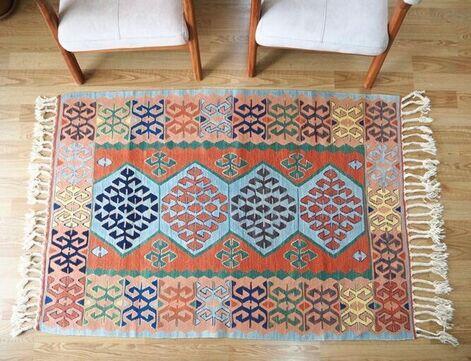
Turkish rugs have long been admired for their warmth, durability, and distinctive character. One of the most important features that shapes both their feel and worth is the way each knot is tied by hand. For anyone comparing styles or considering a purchase, understanding knot construction is essential. If you are looking at examples such as Hand Knotted Turkish Rugs, the knot count, knot type, and overall weaving technique can tell you a great deal about how the rug will perform over time.
The texture of a Turkish rug is not simply a matter of pile height or wool quality. It is closely tied to the density and consistency of the knots. These small structural details influence softness, pattern clarity, resilience, and even the rug’s market value. In Australia, where rugs often need to suit a wide range of homes and climates, knowing what hand knots do can help buyers make better decisions and appreciate the craftsmanship behind each piece.
Key points
Turkish rugs are traditionally hand woven using techniques that have been passed down through generations. Their appeal lies not only in their decorative patterns but also in the visible evidence of human workmanship. Unlike machine-made rugs, each knot is tied individually, producing subtle variations that give the rug personality. These variations are part of what collectors and homeowners value most.
The structure of a Turkish rug usually relies on a strong foundation of warp and weft threads, with knots forming the pile on top. This pile is what creates the texture you feel when you walk across the rug or run your hand over it. The tighter and more even the knots, the more refined the surface tends to be. Looser knotting can create a softer, more rustic finish, while dense knotting often results in a smoother and more detailed appearance.
Knot density has one of the biggest effects on texture. Rugs with a high knot count per square metre generally have a more compact and even surface. This can make the design appear sharper, with finer outlines and more intricate motifs. It also tends to reduce excess bulk, which gives the rug a flatter, more polished feel.
By contrast, rugs with fewer knots may feel thicker and more relaxed underfoot. They often have a more pronounced pile, which can create a softer, cushioned texture. This is not a flaw. In many cases, it reflects the style of the weaving region and the intended use of the rug.
Turkish rugs are commonly known for the symmetrical knot, often called the Turkish or Ghiordes knot. This knot is wrapped around two warp threads, which gives the rug strength and helps the pile stand upright. The result is a durable surface that can handle everyday use.
Because this knot is secure and balanced, it contributes to a stable texture that wears evenly over time. In practical terms, this means a well-made Turkish rug often maintains its shape and feel for many years, even in busy living areas. That stability is one reason these rugs are valued in family homes and high-traffic spaces.
Hand knotting is time-intensive. A rug with a very high knot count can take months or even years to complete, depending on the size and complexity of the design. More knots usually mean more labour, and more labour usually means higher value. However, knot count alone does not determine worth. A rug with a very high count but poor finishing or weak materials may still fall short in quality.
Skilled weavers create consistent tension, clean edges, and balanced patterns. These details affect not only visual appeal but also long-term durability. Buyers often pay more for rugs that show excellent workmanship because those rugs tend to last longer and age better.
Fine knotting allows for intricate design work. Floral borders, geometric medallions, and symbolic motifs can be rendered with greater precision when the weave is dense. This level of detail can increase desirability, especially among collectors who appreciate the artistry involved.
At the same time, a simpler village rug with a lower knot count may still hold strong value if it has authentic character, good wool, and traditional dyeing. In other words, value is a combination of craftsmanship, condition, age, provenance, and visual appeal.
The knots themselves are only part of the story. The wool, cotton, or silk used in the rug also affects how the knots feel and perform. High-quality wool can create a soft yet resilient surface, while silk adds sheen and allows for finer detail. Cotton is often used in the foundation because it provides strength and helps maintain structure.
Natural dyes also influence the overall impression of texture. Rich, vegetable-dyed colours can appear deeper and more varied as light moves across the pile. This visual depth often enhances the sense of craftsmanship, which can add to the rug’s perceived value.
Different parts of Turkey have developed their own weaving traditions. Some regions favour bold, tribal patterns and thicker pile, while others are known for highly refined city rugs with extremely fine knotting. These regional styles affect both texture and value.
For example, a rug made for practical use in a rural home may have a sturdier, more tactile surface. A rug woven for a city market or ceremonial setting may be much finer, with a smoother finish and tighter design work. Understanding these differences helps buyers judge a rug on its own terms rather than expecting all Turkish rugs to feel the same.
In Australia, where interiors often blend relaxed comfort with practical living, a Turkish rug should be assessed for both beauty and everyday suitability. A denser rug may suit formal spaces, while a thicker, more tactile rug may be better for lounging areas.
Hand knots are at the heart of what makes Turkish rugs so appealing. They determine the rug’s texture, influence how detailed the design can be, and play a major role in long-term value. Dense, precise knotting usually creates a smoother, more refined surface and often increases labour costs, while looser knotting can produce a softer, more rustic feel. Neither approach is inherently better. The right choice depends on how the rug will be used and what kind of character the buyer wants.
For Australian homes, where durability and comfort are both important, understanding hand knot construction offers a practical advantage. It helps buyers recognise quality, compare styles more confidently, and care for their rugs in a way that preserves their beauty for years to come.
A hand-knotted rug is made by tying each knot individually, which creates a unique structure and often better durability. A machine-made rug is produced more quickly and usually lacks the same depth of craftsmanship and variation.
Not always. A higher knot count can mean finer detail and more labour, but materials, finishing, design, and condition are also important. A well-made rug with a moderate knot count can still be excellent.
Softness depends on the type of wool or silk used, the height of the pile, and how tightly the knots are packed. Looser weaving often feels plusher, while denser weaving feels smoother and firmer.
Look at the back of the rug. You should see individual knots and small irregularities. The pattern should be visible on the reverse side, and the edges may show signs of hand finishing.
Yes, especially if they are made with strong wool and a stable knot structure. Many hand-knotted Turkish rugs are suitable for everyday use and can last for decades with proper care.
Rugs with fine workmanship, high-quality materials, and traditional origins are often more desirable. Knotting affects value because it reflects the time, skill, and precision involved in making the rug.

© 2025 Crivva - Hosted by Airy Hosting Managed Website Hosting.