If you’ve got an old, damaged, or scrap vehicle sitting in your driveway, you’ve probably wondered: what actually happens after car wreckers take it away? Many Adelaide car owners think wreckers simply crush cars and send them to scrap yards—but the reality is far more detailed, organised, and environmentally focused.
Car wreckers play a crucial role in Adelaide’s automotive recycling industry. They don’t just remove unwanted vehicles; they recover usable parts, recycle valuable materials, and safely dispose of harmful substances, all while helping car owners get paid and free up space.
Let’s break down exactly what car wreckers in Adelaide really do with old and scrap cars, step by step.
Car wreckers are licensed operators who specialise in buying unwanted vehicles—whether they’re accident-damaged, non-running, written-off, rusted, or simply too old to sell privately. Their goal is to extract maximum value from every vehicle, not just scrap it blindly.
In Adelaide, wreckers work closely with:
This makes the entire process both profitable and sustainable.
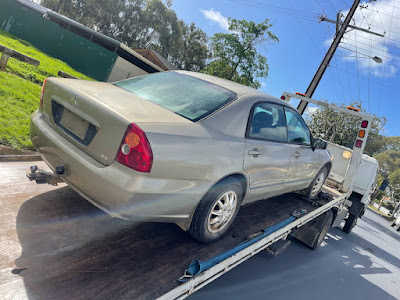
Once you contact a car wrecker, the first step is vehicle pickup, usually offered for free across Adelaide and nearby suburbs.
What Happens at This Stage?
This inspection helps wreckers decide how the car will be processed—for parts, recycling, or both.
Before dismantling begins, wreckers perform a critical step called depollution. This is essential for environmental safety and legal compliance.
Materials Safely Removed Include:
These substances are either recycled, treated, or disposed of according to Australian environmental standards. This step alone prevents serious soil and water contamination.
This is where the real value extraction begins. Many old or scrap cars still contain perfectly usable components.
Common Parts That Are Salvaged:
These parts are carefully removed, tested, cleaned, and catalogued. They’re then sold as quality used auto parts in Adelaide, offering Adelaide drivers a much cheaper alternative to brand-new components.
Salvaged parts don’t go to waste. Many are resold to:
Why Used Parts Are in Demand:
This reuse cycle is a big reason car wreckers are considered an essential part of the circular economy.
Once all reusable parts are removed, what’s left is essentially the car shell. This is where heavy machinery comes in.
The Process:
Cars are made up of around 75% recyclable metal, which makes them extremely valuable to scrap processors.
The crushed metal is sent to recycling facilities where it’s:
Recycled Car Metals Are Used For:
This dramatically reduces the need for mining raw materials and cuts down carbon emissions.
Not everything in a car can be recycled. Items like certain plastics, foams, and fabrics must be disposed of carefully.
Licensed car wreckers ensure:
This is why choosing a licensed and reputable wrecker is so important.
A common myth is that wreckers simply crush cars and pay by weight. In reality, each vehicle is evaluated for its individual value.
Factors that affect how a car is processed:
This is why two similar-looking cars may fetch very different prices.
Car wreckers contribute heavily to environmental protection by:
In fact, vehicle recycling is one of the most successful recycling systems in Australia.
From a car owner’s perspective, wreckers offer multiple advantages:
Even cars that seem completely worthless can still hold significant scrap and parts value.
More Adelaide locals are turning to car wreckers because:
Whether it’s an old sedan, damaged SUV, rusted ute, or written-off 4WD, wreckers provide a quick and stress-free solution.
Not all car wreckers operate at the same standards, which is why choosing a trusted car wrecker in Adelaide matters. A professional wrecker ensures your old or scrap car is processed legally, ethically, and in an environmentally responsible way. They follow strict depollution procedures, maximise recycling rates, and provide fair market value for your vehicle. On the other hand, unlicensed operators may cut corners, risking environmental damage and legal trouble for car owners.
Not quite. A reliable car wrecker in Adelaide should:
Choosing the right wrecker ensures your car is handled ethically and responsibly.
So, what do car wreckers in Adelaide really do with old and scrap cars?
They recover valuable parts, recycle metals, protect the environment, and help car owners get paid—all in one streamlined process.
Your unwanted car doesn’t end up as useless junk. Instead, it becomes:
If you have an old or scrap car sitting idle, understanding this process makes it clear why car wreckers are such an important part of Adelaide’s automotive ecosystem.

© 2025 Crivva - Hosted by Airy Hosting Managed Website Hosting.