


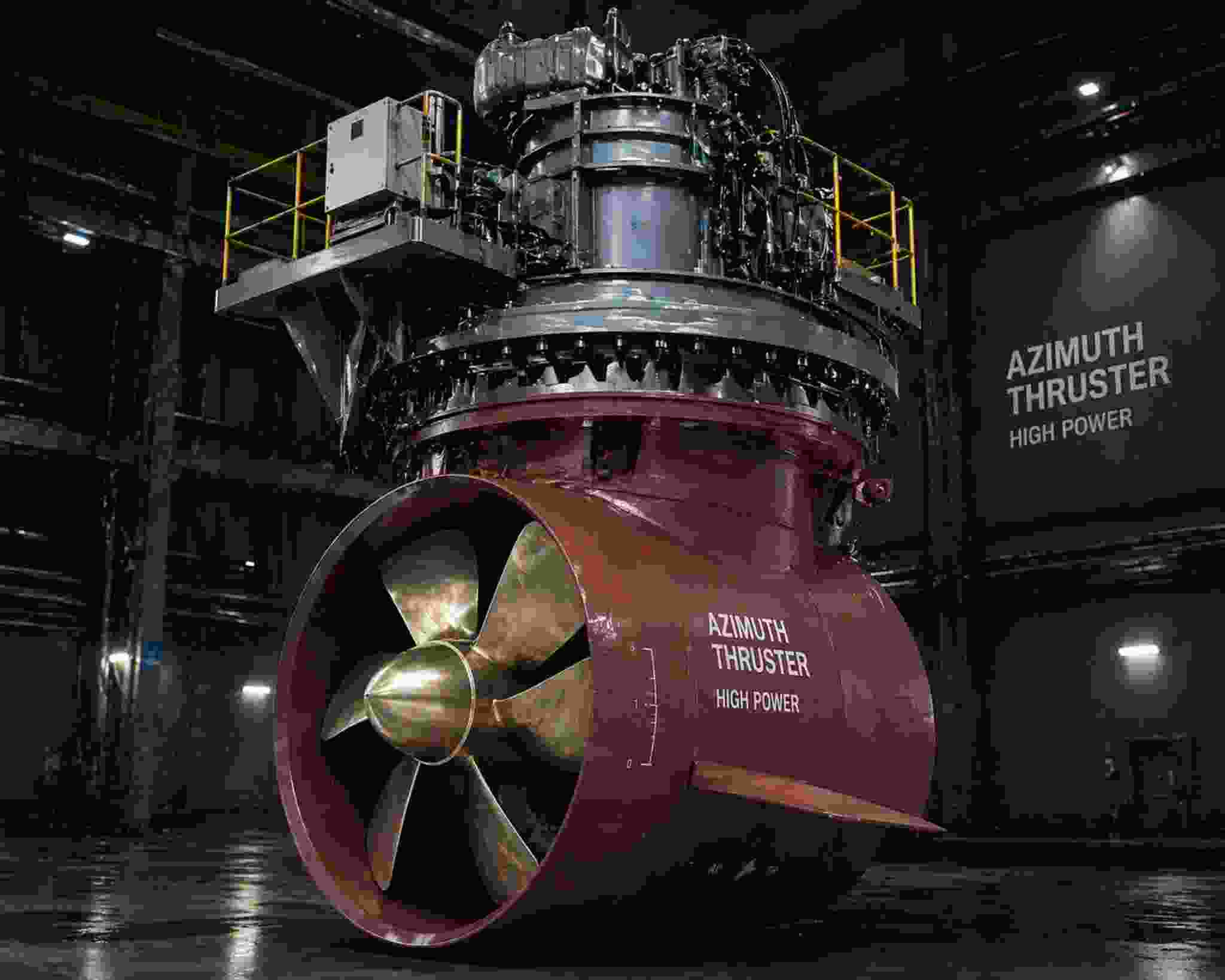
The global maritime industry is undergoing a structural transformation, driven by the need for greater maneuverability, operational efficiency, and environmental compliance. Among the key innovations shaping this evolution are high-power azimuth thrusters—advanced propulsion systems capable of rotating 360 degrees to deliver precise directional control. These systems are increasingly becoming integral to vessels operating in complex and demanding marine environments.
According to insights outlined in the high-power azimuth thruster industry analysis, the growing demand for dynamic positioning, offshore exploration, and advanced naval capabilities is significantly influencing adoption patterns. These propulsion systems are no longer limited to niche applications but are expanding across commercial shipping, offshore platforms, and defense vessels.
High-power azimuth thrusters are designed to provide thrust in any horizontal direction without the need for rudders. This capability allows vessels to achieve superior maneuverability, particularly in tight spaces such as ports, offshore rigs, and congested waterways. The ability to rotate freely enhances operational efficiency and reduces reliance on traditional propulsion mechanisms.
These systems are widely used in tugboats, offshore support vessels, ferries, and naval ships. Their versatility enables improved vessel control during docking, dynamic positioning, and station-keeping operations. As maritime logistics become more complex, the importance of adaptable propulsion systems continues to grow.
One of the primary factors driving the adoption of high-power azimuth thrusters is the increasing demand for offshore oil and gas exploration. These operations require vessels to maintain precise positioning in challenging sea conditions, making advanced propulsion systems essential. Additionally, the expansion of offshore wind energy projects has further amplified the need for reliable and efficient marine support vessels.
Environmental regulations are also playing a crucial role in shaping industry trends. Governments and international organizations are pushing for reduced emissions and improved fuel efficiency in maritime operations. According to the International Maritime Organization (IMO), the shipping industry must significantly cut greenhouse gas emissions in the coming decades. High-power azimuth thrusters contribute to this goal by optimizing propulsion efficiency and reducing fuel consumption.
Recent technological developments have significantly improved the performance and reliability of azimuth thrusters. Innovations such as hybrid propulsion systems, electric drives, and advanced control systems are enabling better energy management and operational flexibility. These advancements allow vessels to switch between power sources, reducing environmental impact while maintaining efficiency.
Digitalization is another key trend influencing the evolution of these systems. Integration with smart navigation and monitoring technologies enables real-time performance analysis, predictive maintenance, and enhanced safety. Organizations like the International Energy Agency (IEA) highlight the growing role of digital technologies in improving energy efficiency across industries, including maritime transport.
High-power azimuth thrusters are widely adopted across both commercial and defense sectors due to their versatility and reliability. In commercial shipping, they are used in container ships, ferries, and cruise liners to improve maneuverability and reduce turnaround time in ports. Their ability to operate efficiently in varying conditions makes them suitable for a wide range of vessel types.
In the defense sector, naval forces are increasingly integrating these systems into modern warships and support vessels. The enhanced maneuverability and reduced acoustic signature provided by advanced thrusters contribute to improved operational capabilities. According to the North Atlantic Treaty Organization (NATO), naval modernization efforts are focusing on technologies that enhance agility and mission readiness, including advanced propulsion systems.
Another critical consideration is the integration of these systems with existing vessel designs. Retrofitting older ships with advanced propulsion technologies can be technically challenging and costly. However, ongoing advancements in modular design and engineering solutions are helping to address these challenges, making integration more feasible.
The adoption of high-power azimuth thrusters varies across regions, influenced by factors such as maritime infrastructure, offshore activities, and regulatory frameworks. Europe remains a key hub for innovation, driven by strong environmental regulations and a well-established maritime industry. The region’s focus on sustainable shipping solutions is accelerating the integration of advanced propulsion technologies.
Asia-Pacific is emerging as a significant growth region, supported by expanding shipbuilding activities and increasing maritime trade. Countries such as China, South Korea, and Japan are investing heavily in advanced vessel technologies to strengthen their global competitiveness. Meanwhile, North America continues to witness steady demand, particularly in offshore exploration and defense applications.
Despite their advantages, high-power azimuth thrusters face certain challenges that may impact adoption. High initial investment costs and maintenance requirements can be barriers for smaller operators. Additionally, the complexity of these systems requires skilled personnel for installation, operation, and maintenance.
Another critical consideration is the integration of these systems with existing vessel designs. Retrofitting older ships with advanced propulsion technologies can be technically challenging and costly. However, ongoing advancements in modular design and engineering solutions are helping to address these challenges, making integration more feasible.
The future of high-power azimuth thrusters is closely linked to broader trends in the maritime industry, including decarbonization, digitalization, and automation. As shipping companies seek to reduce their environmental footprint, the demand for efficient and adaptable propulsion systems is expected to rise. The transition toward cleaner energy sources, such as LNG and hybrid systems, will further drive innovation in this space.
Research and development efforts are likely to focus on enhancing system efficiency, reducing costs, and improving reliability. Collaborative initiatives between industry stakeholders, technology providers, and regulatory bodies will play a crucial role in shaping the future of marine propulsion.
High-power azimuth thrusters are redefining the standards of modern marine propulsion by offering unmatched maneuverability, efficiency, and adaptability. Their growing adoption across commercial and defense sectors reflects the evolving needs of the maritime industry. As technological advancements continue to enhance their capabilities, these systems are set to play a central role in the future of global shipping and offshore operations.
The ongoing shift toward sustainable and digitally enabled maritime solutions underscores the importance of innovative propulsion technologies. High-power azimuth thrusters, with their ability to address both operational and environmental challenges, are well-positioned to support the industry’s long-term transformation.

© 2025 Crivva - Hosted by Airy Hosting Managed Website Hosting.