


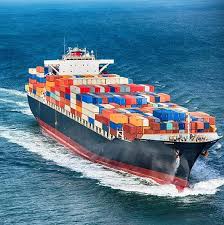
Let’s talk about distance. Not just the miles on a map from, say, London to Karachi, but the real distance between having an item packed in a warehouse and having it safely in someone’s hands in Lahore or Islamabad. It’s a gap filled with logistics, paperwork, and a fair bit of patience. Whether you’re a business expanding its reach, a family sending a care package full of reminders of home, or an aid organization shipping vital supplies, the process can feel overwhelming. But here’s the truth: thousands of shipments make this journey successfully every single day. The key isn’t magic; it’s knowledge. It’s understanding the road—or rather, the sea and air lanes—ahead. This is about demystifying the process of getting **cargo to Pakistan**, turning a daunting prospect into a series of clear, manageable steps.
Your journey starts with a fundamental decision: speed or economy? This choice will shape everything from cost to timing. **Air cargo to Pakistan** is the express lane. Imagine you have a box of urgent pharmaceutical samples, a bag of high-value electronic components, or critical legal documents. Air freight gets these from London to Karachi in a matter of days, often just 2-4. It uses major airports like Jinnah International in Karachi, Allama Iqbal in Lahore, and Islamabad International. The price reflects this speed; you pay a premium per kilogram. On the other hand, **sea freight to Pakistan** is the backbone of bulk trade. This is how you move furniture, machinery, large commercial goods, or a full container of retail products. It’s significantly cheaper per kilo but asks for your patience. The sea voyage alone from a European port can take 4-6 weeks. Then comes the port stay in Karachi (at terminals like Karachi Port or Port Qasim) for customs clearance, followed by the final truck journey to places like Rawalpindi, Faisalabad, or Peshawar. Your choice hinges on what you’re shipping and how soon it needs to be there.
This is the part that can’t be rushed or glossed over. Pakistani customs is meticulous. They don’t just glance at a form; they scrutinize it. Incomplete or incorrect paperwork is the single most common reason for shipments being held up, stuck in a port warehouse accruing daily demurrage charges that can quickly dwarf the shipping cost itself. You absolutely must have your documents in perfect order. The non-negotiables are a detailed **Commercial Invoice**, a precise **Packing List**, and the **Bill of Lading** (for sea) or **Air Waybill**. Many shipments also require a **Certificate of Origin**. But it goes deeper. Depending on what you’re shipping, you may need specific permits or certificates. Sending food items? You’ll likely need a health certificate. Shipping machinery? There might be specific import licences. This is where a good freight forwarder earns their keep. They don’t just file papers; they know the exact requirements for a given product entering Pakistan and will ensure every ‘t’ is crossed for the Federal Board of Revenue and Pakistan Customs.
Think about the journey. A container on a ship sways for weeks on the open ocean. It’s transferred between ports. Finally, it’s loaded onto a truck that might travel on some bumpy roads. Your packing is what stands between your goods and this gauntlet. For sea freight, professional crating and palletizing are not a luxury; they are a necessity. Items must be secured to withstand shifting and protected from humidity. Wooden packaging often needs to be ISPM 15 certified, meaning it’s been heat-treated to prevent pest transfer. For personal effects, using a professional packing service is a brilliant idea. They create an itemized inventory list that is invaluable for both insurance and customs. And speaking of insurance—get it. Get comprehensive insurance that covers the entire journey, door-to-door. Do not assume the basic carrier liability is enough; it almost never is. Insuring your shipment is a small percentage of its value for a huge amount of peace of mind.
You can’t do this alone from a computer. The linchpin of your entire operation is your freight forwarder. This is not a decision to make based on a cheap online quote. You need a partner with proven, on-the-ground capability *in Pakistan*. Look for a company that has its own offices or, at the very least, a long-standing, trusted agency relationship with a firm in Karachi, Lahore, and Islamabad. Why does this local presence matter? Because when your container arrives at Port Qasim and there’s a customs query, a local agent can physically go to the port office and resolve it. They can arrange the reliable trucking to get your goods the rest of the way. When you’re vetting companies, ask them specific questions: “Can you show me examples of shipments you’ve handled to [my destination city]?” “Who is your agent in Karachi, and how long have you worked with them?” A reputable forwarder will be transparent and proud of these relationships.
Once your goods are on the move, you enter a phase that requires a blend of vigilance and patience. Your forwarder will give you tracking numbers. For sea freight, this is your container number. You can often track the ship’s journey across the oceans. For air freight, it’s your air waybill number. Use these tools, but understand that updates can be infrequent during the ocean transit. It’s also crucial to manage your own expectations and those of your recipient. Ports can get congested. Administrative checks can add days. Build buffer time into your plans. Maintain clear communication with your contact in Pakistan. Make sure they have copies of all the shipping documents and are ready to be in touch with the local agent if needed. This teamwork on both ends of the journey is what smoothes out the final hurdles.
The arrival at port is just the beginning of the final act. This is where your forwarder’s local agent takes centre stage. They will submit all the documents you prepared weeks earlier to Pakistani customs. They will pay any applicable duties and taxes on your behalf (which you will have been advised of in advance). They will navigate the customs examination, if one is required. Once cleared, they will arrange for the container to be collected from the port, de-stuffed if necessary, and loaded onto a truck for its final inland journey. A good agent will keep you updated throughout this entire clearance process, which can take from a few days to a couple of weeks.
At its core, shipping **cargo to Pakistan** isn’t about boxes and bills of lading. It’s about connection and support. It’s the engineering firm in Birmingham sending a crucial turbine part to keep a power project in Sindh on schedule. It’s the grandmother in Manchester carefully packing a trunk of clothes, books, and sweets for her grandchildren in Islamabad. It’s a charity dispatching medical equipment to a hospital in Khyber Pakhtunkhwa. The complexity of the logistics serves a deeply human purpose. By understanding the process, choosing the right partners, and packing your patience alongside your goods, you bridge that vast distance. You ensure that what is sent from here is received there, intact and on time, fulfilling its role in someone’s business, their family, or their community. That’s the real destination.

© 2025 Crivva - Hosted by Airy Hosting Managed Website Hosting.