


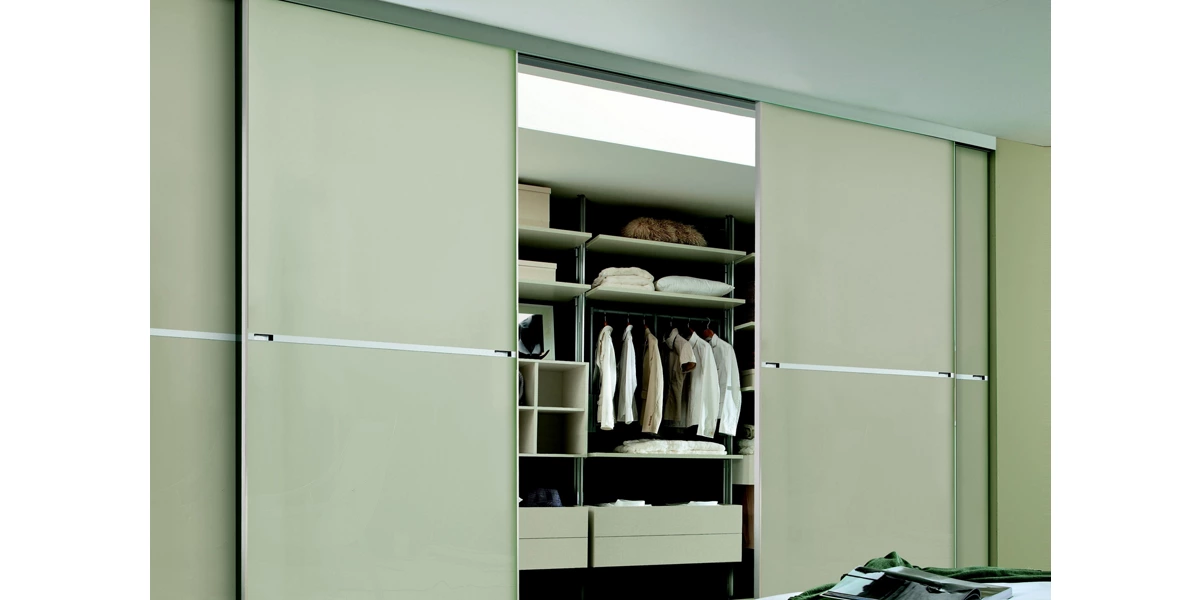
Shopping for bedroom furniture can feel overwhelming. You walk into a showroom and suddenly you’re staring at fifty different options. When you’re picking your first mirror wardrobe the choices multiply fast. Do you want a wardrobe with drawers built in or just hanging space? Should you go for something sleek and modern or stick with traditional wood finishes? These questions matter more than you think.
Your wardrobe isn’t just storage. It becomes part of your daily routine. You’ll open those doors every morning and every night for years. Getting this purchase right means understanding what actually works in real bedrooms rather than showroom fantasies.
Mirrors change everything about a room. They don’t just reflect light. They create depth where walls would normally close things in. Small bedrooms suddenly feel twice their actual size. Dark corners brighten up without adding extra lamps.
The practical side matters too. Getting dressed becomes easier when you can see your full outfit without walking to another room. No more awkward angles trying to check how something looks from behind. Everything’s right there in front of you.
Think about hotel rooms. Most have mirrors on wardrobe doors because designers know they serve double duty. You get storage and a full-length mirror without using extra wall space. That same logic works at home.
Not all mirror wardrobes look the same. Some cover the entire door surface. Others feature mirrors in panels with frames between them. The choice affects both appearance and practicality.
Full mirror doors create that seamless modern look. They reflect the most light and make rooms feel biggest. But they also show every fingerprint and smudge. If you have kids who like touching everything this becomes a daily cleaning task.
Paneled mirror designs break up the reflective surface. They’re easier to keep looking clean because the frames hide edges where dust settles. These work well in traditional or transitional bedroom styles. You still get plenty of reflection without the maintenance headache.
Framed mirrors add character. The frame material can match your bed frame or other furniture. This creates visual cohesion that ties your room together. Bronze frames add warmth. Chrome or brushed nickel keeps things contemporary.
Here’s something most people don’t consider until too late. Door swing space matters. Traditional hinged doors need clearance to open. That means you can’t put furniture or walk through certain areas. sliding door wardrobe designs solve this completely.
Doors glide along tracks instead of swinging out. You can position your bed closer. Nightstands don’t need to be moved. In tight spaces this makes an enormous difference. You reclaim probably a meter of useable floor space.
The smooth operation feels better too. Quality sliding mechanisms last for decades with minimal maintenance. No hinges to squeak or sag over time. No doors accidentally slamming because someone walked past quickly.
Home Of Wardrobes specializes in these configurations. Their sliding systems handle weight well even with full mirror panels. The tracks stay aligned year after year.
Get your tape measure out before you browse. Wall-to-wall measurements matter but so do height considerations. Modern rooms often have lower ceilings than older homes. Your wardrobe needs to fit the space without looking cramped.
Measure three times. Check the width at floor level and ceiling level separately. Walls aren’t always perfectly straight. Note where electrical outlets or radiators sit. These affect placement options more than you’d expect.
Don’t forget about the door opening into your room. Your wardrobe can’t block access. Leave at least 60 centimeters of clear space for comfortable movement. This sounds obvious but gets overlooked surprisingly often when people fall in love with a specific piece.
Floor condition matters too. If your floor isn’t level then freestanding wardrobes might rock slightly. Built-in or fitted options work better on uneven surfaces because installers can compensate during fitting.
The inside matters as much as the outside. How you’ll actually use the space determines what configuration works best. Just hanging rails might seem sufficient until you realize half your clothes don’t hang well.
Most people need a mix. Hanging space for shirts and dresses. Shelving for folded items. Maybe some drawers for smaller things. Think about your actual wardrobe right now. What’s working and what frustrates you? That tells you what to prioritize.
Adjustable shelving adds flexibility. Your needs change over time. Maybe you buy more shoes. Or you switch to a job with different dress requirements. Being able to reconfigure without buying new furniture saves money and hassle.
Drawer depth varies significantly between models. Shallow drawers work great for accessories and undergarments. Deeper ones handle bulky sweaters and jeans. Having both options maximizes useable space.
Not all mirror wardrobes cost the same for good reasons. Material quality affects longevity dramatically. Cheap particleboard with thin veneer starts sagging within a year or two. Solid construction lasts decades.
Check the mirror thickness. Standard mirrors are about 4mm. Better quality uses 5mm or 6mm glass. Thicker mirrors resist warping and provide clearer reflections. The difference shows up immediately when you compare them side by side.
Look at the backing material. Mirrors need proper moisture barriers especially in bedrooms where humidity fluctuates. Good manufacturers use protective coatings that prevent silvering deterioration. Without this you’ll see dark spots developing around edges within a few years.
Frame materials matter for durability. Real wood frames handle wear better than plastic alternatives. Metal frames last longest but add weight. Consider what you’ll actually be touching daily and choose accordingly.
Your mirror wardrobe doesn’t exist in isolation. It needs to work with existing bedroom furniture and decor. But matching everything exactly often creates a boring flat look. Strategic contrast adds visual interest.
White finishes brighten rooms and work with almost any color scheme. They’re popular for good reason. But they also show dirt more readily. High-gloss white especially shows every fingerprint. Matte finishes hide imperfections better while still keeping rooms light.
Wood tones add warmth. Oak and walnut remain popular because they age gracefully. Scratches and minor damage blend into the grain pattern rather than standing out. These finishes work particularly well in rooms with wooden flooring.
Dark colors make bold statements. Charcoal grey or black wardrobes create dramatic focal points. The mirror panels prevent these from making rooms feel smaller. You get sophistication without sacrificing the sense of space.
Mirror wardrobes need regular cleaning but the process stays simple. Basic glass cleaner works fine for mirrors. Microfiber cloths prevent streaking better than paper towels. Clean in circular motions then finish with vertical strokes for best results.
Avoid harsh chemicals on frames and hardware. These can damage protective coatings and finishes. Warm soapy water handles most dirt. Dry immediately to prevent water spots or mineral deposits from forming.
Sliding tracks collect dust and debris. Vacuum them monthly using a brush attachment. This prevents buildup that makes doors harder to slide. A few minutes of maintenance keeps mechanisms operating smoothly for years.
Check mounting hardware periodically. Screws can loosen over time from regular door movement. Tightening everything annually takes five minutes and prevents bigger problems. This simple habit extends furniture life significantly.
Buying based solely on photos causes problems. Colors look different in actual lighting than on screens. Dimensions seem reasonable until the piece arrives and dominates your room. Visit showrooms when possible. See furniture in person before committing.
Ignoring room proportions leads to awkward results. A massive wardrobe overwhelms small bedrooms. Tiny units look lost in large spaces. Match furniture scale to room size for balanced aesthetics.
Forgetting about future needs causes regrets. Maybe you’re single now but plan to share the space eventually. Two people need more storage than one. Build in some extra capacity rather than filling every inch immediately.
Skipping professional measurement and installation sounds budget-friendly until things go wrong. Crooked wardrobes or damaged walls during DIY installation cost more to fix than hiring experts initially. Know your skill level honestly.
You’ve done the research. Measured your space. Considered your needs. Now comes the actual purchase decision. Trust your instincts alongside the practical factors you’ve evaluated.
The mirror wardrobe you choose will greet you every morning. It becomes part of your daily experience. Select something you’ll genuinely enjoy looking at and using rather than just the most practical option on paper.
Quality beats trends. Fashion changes but solid construction remains valuable. A well-made piece serves you faithfully for decades. Cheap trendy furniture ends up in landfills within a few years.
Don’t rush this purchase. Take time to compare options. Visit multiple retailers. Read reviews from actual customers. The right choice becomes obvious when you’ve done proper groundwork.

© 2025 Crivva - Hosted by Airy Hosting Managed Website Hosting.