

The False Sense of Security in Conventional Fire Systems
Many facilities operate under the assumption that installed fire alarms & detectors are enough to ensure safety. On paper, the system looks complete-smoke detectors, heat sensors & manual alarms are all in place. But real-world conditions tell a different story. These systems only activate after smoke reaches a sensor or heat crosses a threshold. That delay is the core problem. Fires often begin in concealed or low-traffic areas, far from detection points. In large spaces like warehouses, factories & transit hubs, this creates dangerous blind spots. The system is present, but its effectiveness is limited when early detection matters most.
The Escalation Problem: When Detection Comes Too Late
Fire grows fast & delays make it worse. A small ignition can become uncontrollable in minutes, especially in environments with flammable materials or active equipment. When detection systems respond late, teams lose valuable time. Instead of stopping a fire early, they are forced to contain it after it spreads. This increases damage, disrupts operations & puts lives at risk. False alarms add to the challenge. Frequent incorrect alerts create confusion & reduce trust in the system. Over time, teams may respond slower or ignore warnings altogether. This combination of delayed detection as well as unreliable alerts turns a safety system into a weak link.
The Growing Demand for Smarter Fire Detection
Modern environments are more complex than ever. Facilities are larger, processes are continuous & risks are constantly changing. Traditional detection methods were not designed for this level of complexity. They lack the ability to monitor wide areas effectively & cannot identify early-stage fire indicators. Organizations need systems that provide continuous visibility & instant analysis. The demand is clear: fire detection must become faster, smarter as well as more proactive. Without this shift, businesses remain exposed to risks that can escalate before any action is taken.
A Smarter Approach with Visual-Based Detection
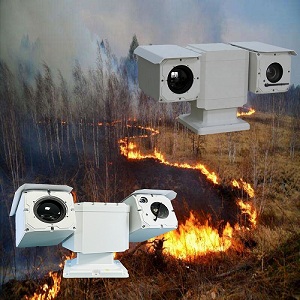
Camera-based detection systems offer a practical solution to these challenges. Instead of waiting for physical changes like heat or smoke accumulation, these systems analyze live video feeds. They detect visual signs such as smoke patterns, flame movement & unusual activity in real time. Fire detection camera analytics transforms standard cameras into intelligent monitoring tools. This approach allows organizations to identify fire risks at the earliest stage. It shifts fire safety from a reactive process to a proactive strategy, where threats are detected before they grow.
Instant Detection That Improves Response Time
Speed is critical in fire safety & camera-based systems deliver immediate detection. These systems continuously scan video streams & identify fire indicators the moment they appear. Alerts are triggered instantly & sent to control rooms, mobile devices or integrated systems. This rapid response reduces the time between ignition & action. Teams can intervene earlier, preventing the fire from spreading. In high-risk environments, even a few seconds can make a difference. Real-time detection ensures that no time is wasted in identifying as well as responding to potential threats.
Early-Stage Recognition of Smoke and Flames
One of the most valuable features of camera-based detection is its ability to recognize fire in its early stages. Traditional systems require a buildup of smoke or heat, but visual analytics detects subtle changes. Light smoke trails, small flames & unusual motion patterns are identified instantly. This allows teams to act before the situation escalates. Early detection reduces damage, limits operational disruption as well as improves overall safety. It is especially useful in environments where fires can spread quickly if not controlled at the source.
Intelligent Filtering That Minimizes False Alarms
False alarms are a major issue in traditional fire detection systems. They interrupt operations & reduce confidence in alerts. Camera-based analytics addresses this problem with intelligent filtering. The system analyzes multiple factors, including movement, color & behavior patterns, before triggering an alert. It can distinguish between real fire events & harmless elements such as dust, steam or lighting changes. This reduces unnecessary alerts as well as ensures that notifications are accurate. Teams can respond with confidence, knowing that alerts are based on reliable data.
Wide Coverage for Large and Complex Spaces
Large facilities require extensive monitoring, which can be difficult with traditional detectors. Camera-based systems provide wide-area coverage with fewer devices. A single camera can monitor a large space, reducing the need for multiple sensors. This makes the system more efficient & easier to manage. It also lowers installation & maintenance costs. From industrial plants to public infrastructure, camera-based detection adapts to different environments. Its scalability makes it a practical solution for organizations with diverse safety requirements.
Easy Integration with Existing Infrastructure
Many organizations already have surveillance systems in place. Camera-based fire detection can integrate with existing CCTV networks, making implementation straightforward. This reduces the need for new infrastructure & lowers costs. It also allows organizations to manage security & fire detection from a single platform. Fire detection camera analytics enhances existing systems by adding an extra layer of intelligence. This integration improves efficiency & simplifies monitoring, making it easier to maintain a high level of safety.
Visual Confirmation for Faster Decision-Making
Traditional alarms provide limited information, often leaving teams uncertain about the situation. Camera-based systems solve this problem by offering visual confirmation. When an alert is triggered, operators can view live footage to assess the incident. This helps them understand the severity & respond appropriately. Visual verification reduces guesswork & prevents unnecessary actions such as evacuations or shutdowns. It improves decision-making & ensures that responses are based on accurate information.
Reliable Performance in Challenging Conditions
Fire detection systems must work in a variety of environments. Camera-based solutions are designed to handle challenging conditions such as low light, high ceilings, outdoor settings & areas with heavy activity. Advanced imaging & intelligent algorithms ensure consistent performance. Some systems also use thermal imaging to detect heat signatures in complete darkness or through smoke. This adaptability makes camera-based detection suitable for a wide range of applications, from industrial facilities to public spaces.
Applications Across Key Industries
Camera-based fire detection is widely used across industries where safety is critical. In manufacturing, it helps prevent equipment damage & production loss. In logistics & warehousing, it ensures continuous monitoring of large storage areas. Transportation hubs benefit from improved safety in open & crowded spaces. Energy & utility sectors use these systems to monitor critical infrastructure. Environmental monitoring also benefits, with camera systems detecting fires in forests & remote areas. The flexibility of these systems makes them valuable in many different settings.
Using Data for Better Fire Prevention Strategies
Modern fire detection systems do more than identify incidents-they generate valuable data. This data can be analyzed to identify patterns & potential risks. For example, recurring heat buildup in specific areas can indicate a problem that needs attention. Organizations can use these insights to take preventive measures, reducing the likelihood of future incidents. This data-driven approach shifts fire safety from reactive response to proactive prevention, improving overall risk management.
Emerging Trends in Fire Detection Technology
Fire detection technology continues to evolve. Artificial intelligence is improving accuracy & enabling predictive capabilities. Integration with IoT devices allows systems to combine data from multiple sources, creating a more comprehensive safety network. High-resolution cameras & advanced imaging techniques are enhancing detection capabilities. Automation is also becoming more common, with systems capable of triggering immediate responses without human intervention. These trends are shaping the future of fire safety, making systems more efficient & reliable.
Overcoming Challenges in Implementation
Despite its advantages, camera-based fire detection comes with challenges. Initial setup costs can be higher than traditional systems. Real-time processing requires strong hardware & network support. Environmental factors such as weather or obstructions can affect performance. Privacy concerns must also be addressed, especially in public spaces. These challenges can be managed with proper planning & system design. The benefits of faster detection & improved safety often outweigh the initial investment.
The Need for a Proactive Fire Safety Strategy
Fire safety is changing. Relying on systems that react after a fire starts is no longer enough. Organizations need solutions that detect risks early & enable quick action. Camera-based analytics provides this capability by offering real-time detection, accurate alerts & wide coverage. It helps organizations move from reactive response to proactive prevention. This shift is essential for reducing risks & improving safety outcomes.
Building Safer Environments with Smarter Technology
As facilities grow & risks increase, the need for advanced fire detection becomes clear. Camera-based systems provide a practical & effective solution. They improve detection speed, reduce false alarms, & enhance overall safety. By adopting this technology, organizations can protect their operations, assets & people more effectively. Fire detection camera analytics is not just an upgrade-it is a necessary step toward building safer as well as more resilient environments.
Author Bio:
Vibrans Allter is a technology writer and security enthusiast specializing in AI-powered camera monitoring, computer vision security systems and on-prem video analytics solutions. With a keen interest in emerging surveillance technologies and smart security innovations, Vibrans Allter creates insightful content that helps businesses and individuals understand the latest trends, best practices and practical applications of modern video monitoring and AI security tools. You can find his thoughts at security systems blog.

© 2025 Crivva - Hosted by Airy Hosting Managed Website Hosting.