

When you hear “exterior cladding,” you might wonder what it means. Cladding is the outer layer of a building. It protects against weather and adds style. But why should you care? Well, it makes your home look great and keeps it safe. Think of it like a jacket for your house. In Longueuil, where the weather can be unpredictable, having good cladding is essential. It keeps homes warm in winter and cool in summer. So, understanding cladding can help you make smart choices for your home. Let’s explore more about what cladding is and why it’s important.
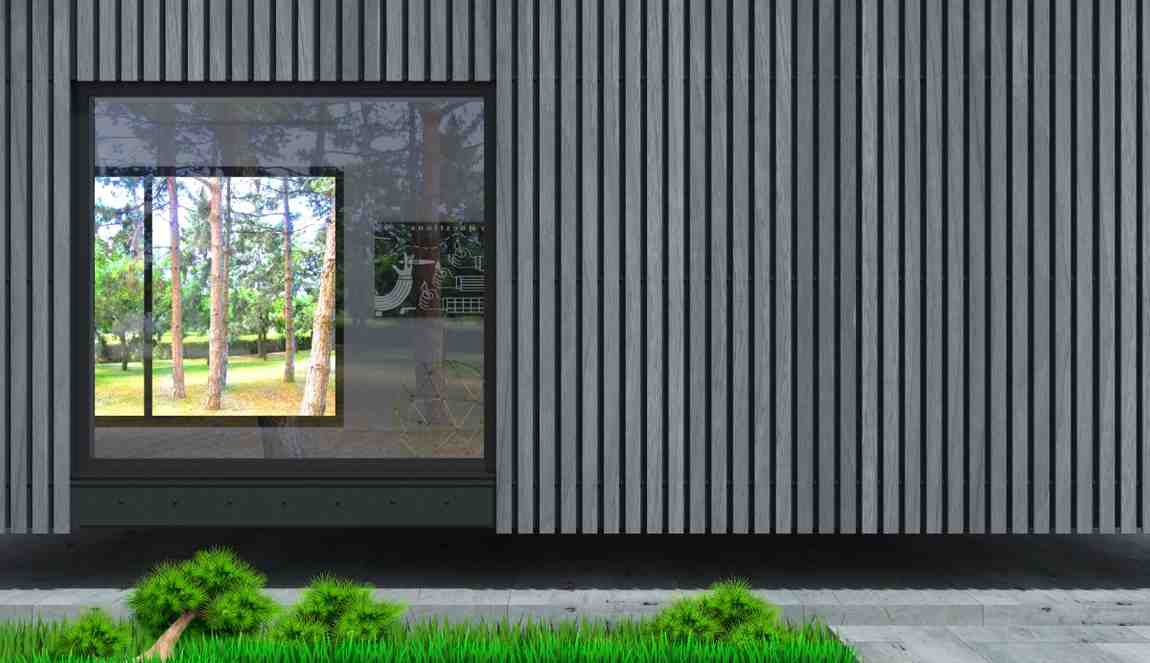
Exterior cladding is like your home’s protective skin. It’s the outermost layer that shields your building from the elements, such as rain, wind, and harsh sunlight. Imagine it as a guardian that not only protects but also beautifies your home. Cladding can be made from various materials like wood, vinyl, metal, or brick. Each material offers different benefits. For instance, wood cladding gives a natural look, while metal is more modern and durable.
Now, why does cladding matter so much? Think about the last time a storm hit. The cladding is what keeps your home dry and safe. It prevents water from seeping into the walls, which can cause damage over time. Plus, it adds to the insulation, keeping your house warm in the winter and cool in the summer.
Pro Tip: When choosing cladding, consider both aesthetics and functionality. Opt for materials that suit your climate and style preferences.
There are several types of cladding materials, each with its own perks. Let’s start with wood. This classic choice offers a natural, warm appearance. It’s great for traditional homes. However, it needs regular maintenance to prevent rot and insect damage.
Vinyl is another popular option. It’s affordable and low-maintenance, making it ideal for budget-conscious homeowners. It comes in various colors and styles, mimicking wood without the hassle.
Metal cladding, like aluminum or steel, is durable and modern. It suits contemporary designs and is resistant to fire and pests. But, it can be more expensive.
Brick and stone cladding give a solid, timeless look. They offer excellent durability and insulation but come with a higher price tag and installation cost.
Pro Tip: Consider mixing materials for a unique look. For instance, combine wood and metal to balance warmth and modernity.
Longueuil experiences diverse weather conditions. From chilly winters to hot summers, homes here need protection. Cladding plays a crucial role in this. It acts as a barrier against the elements, ensuring your home remains comfortable year-round.
In winter, cladding helps insulate your home, reducing heating costs. During summer, it reflects heat, keeping your house cooler. This not only makes living more comfortable but also saves money on energy bills.
Moreover, Longueuil’s aesthetic standards are high. Homeowners often prefer stylish and modern appearances. Cladding lets you achieve this effortlessly. Choose the right material and color to boost your home’s curb appeal.
Pro Tip: For Longueuil, consider cladding options that offer both insulation and aesthetic appeal. It’s worth the investment!
Picking the right cladding isn’t just about looks. You need to think about the climate, your budget, and maintenance. Start by assessing your local weather. For Longueuil, this means considering cold winters and warm summers.
Next, set a budget. Cladding can range from affordable to pricey. Vinyl might be cheaper, but brick offers long-term benefits. Think about how much upkeep you want to commit to. Wood looks great but needs regular care.
Lastly, consider your style. Do you want a classic look or something modern? Your choice will impact your home’s appearance for years. So, take your time and maybe even consult a professional.
Pro Tip: Visit local homes or showrooms to see different cladding in real life. It helps to visualize before you decide.
Proper installation is key to cladding’s effectiveness. First, ensure the surface is clean and dry. This helps the material adhere properly. Next, follow manufacturer instructions closely. Each material has specific requirements.
Consider hiring professionals if you’re unsure. They have the tools and expertise to install cladding right the first time. This can prevent costly mistakes down the road.
After installation, inspect regularly. Look for cracks or signs of wear. Address these issues promptly to extend your cladding’s life.
Pro Tip: Always check local building codes before starting. Some areas have specific regulations for cladding.
Maintenance keeps cladding in top shape. Regular cleaning is a must. Use a soft brush and mild detergent for most materials. Avoid harsh chemicals that can damage the surface.
Inspect your cladding every few months. Look for signs of damage like cracks or discoloration. Address these issues quickly to prevent further problems.
If you have wood cladding, consider resealing it every few years. This prevents moisture damage and extends its life. Metal cladding might need occasional repainting to prevent rust.
Pro Tip: Schedule maintenance checks seasonally. It keeps you on top of any issues and helps plan repairs.
Cladding costs can vary widely. Factors include material choice, installation, and area coverage. Vinyl is usually the most affordable option. Wood and brick are on the pricier side but offer benefits like durability and aesthetics.
When budgeting, consider not just the initial costs but also long-term expenses. Some materials may require more maintenance, affecting your budget over time. Installation costs also vary. DIY can save money, but professional installation ensures quality and reduces future issues.
It’s essential to get quotes from multiple sources. Compare costs and services to get the best deal. Remember, the cheapest option isn’t always the best in the long run.
Pro Tip: Allocate a buffer in your budget for unexpected expenses. Cladding projects can sometimes go over the initial estimate.
Cladding can significantly impact your home’s energy efficiency. It enhances insulation, reducing heat loss in winter and keeping your home cool in summer. This translates to lower energy bills, which is a big win for any homeowner.
Materials like brick or insulated vinyl offer excellent energy-saving benefits. They prevent air leaks and provide a stable indoor climate. This not only reduces heating and cooling costs but also contributes to a more sustainable home environment.
When investing in cladding, consider its R-value, which measures thermal resistance. The higher the R-value, the better the material insulates your home.
Pro Tip: Pair cladding with energy-efficient windows and doors for maximum benefit. It’s a comprehensive approach to reducing energy use.
Beyond protection, cladding enhances your home’s look. It can transform an ordinary house into an eye-catching masterpiece. With various colors, textures, and designs available, the possibilities are endless.
For a traditional look, wood or brick cladding works wonders. For a sleek, modern touch, metal or composite panels are ideal. You can even mix and match for a unique style that reflects your personality.
Cladding also boosts your home’s value. A well-clad house stands out in the real estate market, attracting more potential buyers.
Pro Tip: Consult with a designer to explore creative cladding combinations. It can enhance your home’s curb appeal significantly.
The main purpose of exterior cladding is to protect your home from weather elements while enhancing its aesthetic appeal. It also improves insulation and energy efficiency.
Brick and insulated vinyl are excellent choices for cold climates. They provide good thermal resistance, keeping homes warm during harsh winters.
While DIY installation is possible, hiring professionals is recommended to ensure proper installation and avoid costly mistakes.
Regular inspections every few months are ideal. Cleaning and maintenance depend on the material but are usually required annually.
Yes, cladding is a valuable investment. It enhances home protection, appearance, and energy efficiency, potentially increasing property value.
We hope this guide helps you understand exterior cladding better. If you have any more questions, feel free to reach out or share your experiences with us. Your insights are valuable!

© 2025 Crivva - Hosted by Airy Hosting Managed Website Hosting.