


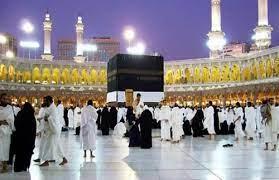
Ramadan, the ninth month of the Islamic lunar calendar, is a time of fasting, spiritual reflection, and communal devotion. When combined with the pilgrimage of Umrah, this holy month transforms into an unparalleled spiritual and cultural journey. Understanding the cultural roots of Umrah during Ramadan allows pilgrims to appreciate not only the ritualistic aspects but also the historical and societal contexts that have shaped this sacred practice over centuries. This exploration uncovers how spiritual devotion, cultural identity, and historical continuity converge in the pilgrimage experience.
Ramadan represents a period of heightened piety, self-discipline, and empathy. Fasting from dawn to sunset, engaging in nightly prayers, and performing acts of charity define this holy month. Umrah, though optional compared to the obligatory Hajj, complements Ramadan by offering pilgrims a direct connection to sacred Islamic rituals, including Tawaf (circumambulating the Kaaba), Sa’i (walking between Safa and Marwah), and prayer in Masjid al-Haram.
When performed during Ramadan, Umrah takes on additional spiritual weight. According to Islamic tradition, the rewards of good deeds multiply during this month. Pilgrims experience an intensified sense of devotion as fasting amplifies physical and spiritual mindfulness. The act of performing Umrah while fasting integrates the physical discipline of fasting with the devotional practices of pilgrimage, creating a holistic spiritual journey.
The origins of Umrah are deeply embedded in Islamic history. The rituals trace back to the Prophet Ibrahim (Abraham) and his family, particularly the story of Hajar and her search for water for her son Ismail. This narrative is commemorated through Sa’i, symbolising perseverance, faith, and divine trust. Tawaf reflects the symbolic unity of Muslims, converging in submission to Allah from all corners of the world.
During Ramadan, these historical narratives gain renewed resonance. Pilgrims reflect on centuries of tradition, participating in rituals that have remained largely unchanged since the time of the Prophet Muhammad (peace be upon him). Engaging in Umrah during Ramadan is thus a living connection to the past, linking modern pilgrims with generations of worshippers who have undertaken this sacred journey.
Islamic cultural identity is reinforced through collective participation in rituals and adherence to religious norms. Umrah during Ramadan exemplifies this, as pilgrims from diverse backgrounds converge in Makkah and Madinah, creating a vibrant tapestry of languages, customs, and traditions. The communal aspects of fasting, prayer, and breaking fast (Iftar) deepen cultural engagement, offering a shared sense of belonging and spiritual solidarity.
Cultural expressions during Ramadan extend beyond rituals. Traditional foods, storytelling, and local practices surrounding Iftar meals provide insights into the diverse ways Muslim communities observe the holy month. Participating in these experiences during Umrah allows pilgrims to immerse themselves in both historical and contemporary Islamic culture, reinforcing their identity as members of the global Muslim community.
While the spiritual and cultural dimensions are central, practical considerations significantly influence the Umrah experience during Ramadan. Overcrowding in holy sites, long waiting times for rituals, and managing fasting while performing physically demanding rituals can pose challenges. Comprehensive Umrah packages address these issues, enabling pilgrims to focus on devotion and cultural immersion without being overwhelmed by logistical concerns.
Access to nearby accommodations facilitates participation in daily prayers, Tawaf, and Sa’i without excessive travel. During Ramadan, when the number of pilgrims increases dramatically, staying close to Masjid al-Haram and Masjid an-Nabawi allows for easier engagement in Tarawih prayers and communal Iftar gatherings, fostering both spiritual and social connections.
Knowledgeable guides enrich the pilgrimage experience by explaining the historical, cultural, and religious significance of rituals. Understanding the origins of Tawaf, Sa’i, and other practices enhances appreciation for the enduring legacy of Islamic traditions. Educational sessions may also include the history of the Kaaba, Prophet Muhammad’s life, and the cultural evolution of Ramadan observances, allowing pilgrims to contextualise their journey within centuries of Islamic heritage.
Managing fasting during physically demanding rituals requires careful planning. Umrah packages often provide Suhoor (pre-dawn meals) and Iftar (post-sunset meals) that are nutritious and culturally appropriate. Group Iftar sessions create communal bonds, echoing centuries-old traditions of breaking fast together, while ensuring pilgrims maintain energy and health for rituals.
Pilgrimage during Ramadan involves considerable physical exertion. Packages prioritize health and safety through hydration options, medical support, and guidance on pacing activities while fasting. Accessibility measures, including transportation, wheelchair support, and gender-sensitive accommodations, ensure all pilgrims can engage fully with the rituals and cultural experiences.
Beyond the spiritual and practical dimensions, Umrah during Ramadan offers a journey through Islamic culture itself. Pilgrims encounter a living history where architecture, art, and religious practices converge. The Grand Mosque in Makkah, the Prophet’s Mosque in Madinah, and surrounding historical sites embody centuries of Islamic civilisation. Observing these spaces while participating in rituals fosters a deeper understanding of cultural heritage and historical continuity.
The communal dynamics of Ramadan also highlight cultural rituals such as nightly lectures, Qur’an recitation sessions, and group prayers. Pilgrims witness diverse cultural expressions within the Muslim world, gaining insight into how regional traditions influence religious practice. This exposure enriches their personal understanding of Islamic identity and creates a sense of shared heritage across time and geography.
Umrah during Ramadan is both a spiritual and educational journey. Pilgrims are encouraged to reflect on personal faith while observing historical and cultural practices. The pilgrimage allows for introspection, ethical reflection, and engagement with a global Muslim community, connecting the individual’s spiritual growth with broader cultural awareness.
By understanding the historical roots of rituals, the cultural context of communal practices, and the contemporary challenges of pilgrimage, pilgrims develop a multifaceted perspective. They experience Islam not only as a set of religious duties but as a living tradition, continually shaped by history, culture, and collective experience.
Exploring the cultural roots of Umrah during Ramadan provides a rich lens through which pilgrims can appreciate the depth and continuity of Islamic practice. The pilgrimage is more than a ritual journey—it is a convergence of history, culture, and spirituality. Understanding the origins of Tawaf, Sa’i, and other rituals, while engaging in communal fasting and prayer, enhances both personal devotion and cultural identity.
Comprehensive Umrah packages that incorporate historical education, practical logistics, and culturally sensitive arrangements allow pilgrims to maximize the spiritual and cultural rewards of their journey. By connecting contemporary practices with centuries-old traditions, female and male pilgrims alike experience a living heritage that strengthens faith, nurtures cultural awareness, and fosters global Muslim solidarity.
Ultimately, Ramadan Umrah is a pilgrimage through time—a journey that links the devotion of the present with the enduring legacy of Islamic civilization. It reminds pilgrims that the rituals they perform are part of a continuum, connecting generations of believers in a shared spiritual and cultural journey.

© 2025 Crivva - Hosted by Airy Hosting Managed Website Hosting.