


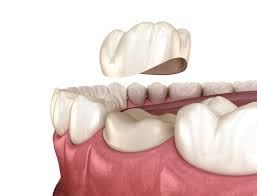
Teeth are designed to withstand pressure, temperature changes and daily wear. However, decay, fractures, root canal treatment, grinding & trauma can weaken their structure. When a tooth loses significant strength, simple fillings are often not enough. In such cases, full coverage restoration becomes necessary to prevent further damage as well as restore function.
A tooth cap, commonly known as a dental crown, is one of the most reliable solutions for reinforcing compromised teeth. It covers the visible portion of a tooth, restoring shape, strength and performance while protecting the remaining natural structure. Experience relief with expert wisdom teeth removal in Whyalla—learn more!
This article explains how it works, when it is needed and how modern dentistry has improved its durability & precision.
A tooth cap is a custom-made covering placed over a damaged or weakened tooth. It encases the visible portion above the gumline and is bonded securely in place. Unlike fillings, which repair small sections, a cap reinforces the entire surface.
It is typically recommended when:
By restoring full coverage, the structure becomes stable & better able to withstand chewing forces.
One of the main benefits of placing a tooth cap is structural protection. When a tooth loses internal dentin due to decay or endodontic treatment, it becomes more prone to cracking. Even normal chewing can lead to vertical fractures if the remaining walls are thin.
Crowns distribute biting pressure evenly across the surface, reducing stress concentration on weak areas. This prevents minor cracks from progressing into split teeth that require extraction.
Modern research supports full-coverage restoration after root canal therapy, especially for molars. Without reinforcement, these teeth have a higher fracture rate under load.
The primary goal of restorative dentistry is preservation. Extracting and replacing a tooth with an implant is effective but more invasive as well as costly. A crown allows the original tooth root to remain intact while rebuilding the outer structure.
Keeping the natural root maintains jawbone stimulation. This prevents bone resorption, which often follows tooth loss.
Advancements in adhesive dentistry have improved bonding strength, allowing caps to integrate more securely with the remaining enamel and dentin. As a result, modern restorations last significantly longer than older metal-based designs.
When teeth break or wear down, bite alignment can shift. Uneven surfaces may cause:
A properly designed crown restores the original height and contour of the tooth. Digital scanning and 3D imaging now allow precise measurement of bite force & alignment before fabrication.
Computer-aided design and manufacturing (CAD/CAM) technology enables highly accurate restorations. This reduces adjustment time and improves long-term comfort.
Earlier generations of crowns were often metal-based & visible when smiling. Modern materials have changed this. Today, many caps are made from zirconia or advanced ceramics that mimic natural enamel in color and translucency.
Zirconia offers high fracture resistance while maintaining a natural appearance. Lithium disilicate ceramics provide excellent esthetics for front teeth without sacrificing durability.
Material selection depends on tooth location, bite force and cosmetic considerations. Posterior teeth require higher strength, while anterior teeth prioritize appearance.
Teeth that undergo root canal therapy lose internal pulp tissue & moisture. This makes them more brittle over time.
Without full coverage, treated teeth are more susceptible to fractures. A crown acts as an external shield, sealing the access opening and protecting against reinfection.
Modern endodontic protocols strongly recommend crowns for back teeth after root canal procedures. Front teeth may sometimes avoid full coverage if structural loss is minimal, but molars typically require reinforcement.
Teeth grinding, also known as bruxism, can gradually weaken enamel and cause cracks. In patients with heavy bite forces, crowns provide a protective surface that resists wear better than natural enamel alone.
Zirconia restorations are particularly resistant to fracture under pressure. Dentists may also recommend night guards to further protect both natural teeth & restorations.
Addressing grinding habits is part of a broader trend toward preventive management rather than reactive repair.
Modern restorative dentistry has significantly reduced treatment time. Digital impressions have replaced traditional molds in many cases. Intraoral scanners capture precise measurements without discomfort.
Some practices offer same-day crowns using in-office milling systems. This eliminates temporary restorations and multiple appointments.
Artificial intelligence tools now assist in detecting cracks and evaluating structural risk before deciding on treatment. This improves case selection & long-term outcomes.
These technological improvements have increased both efficiency & accuracy in crown placement.
With proper care, a crown can last 10 to 15 years or longer. Longevity depends on:
Good brushing & flossing habits remain essential. Crowns protect the visible portion of a tooth but do not prevent decay at the margins where natural enamel meets the restoration.
Routine monitoring allows early detection of wear, cement breakdown or gum changes around the restored tooth.
While highly effective, crowns are not suitable for every situation. Minor cavities can often be treated with fillings. Severely damaged teeth with minimal remaining structure may require extraction instead.
Dentists evaluate factors such as remaining enamel thickness, root health, gum support and overall bite condition before recommending full coverage.
Minimally invasive dentistry aims to preserve as much natural tissue as possible. Therefore, treatment decisions are increasingly based on detailed diagnostic imaging rather than visual inspection alone.
Weak or broken teeth do not automatically require extraction. Modern restorative methods allow reinforcement, preservation & restoration of function through full coverage solutions.
A tooth cap strengthens compromised teeth, redistributes bite pressure, restores alignment and improves appearance. Advances in digital imaging, ceramic materials and adhesive bonding have made crowns more durable as well as precise than ever before.
The focus in modern dentistry is long-term preservation. When properly indicated and maintained, a crown can extend the life of a natural tooth for many years, reducing the need for more complex procedures.
Consistent oral hygiene, early intervention & accurate diagnosis remain the foundation of successful restorative care.
Author Bio:-
Ansley has 12 years of experience in the dental world. You can find his thoughts at emergency dental blog.

© 2025 Crivva - Hosted by Airy Hosting Managed Website Hosting.