

COSHH in High-Risk Industries: Controlling Exposure Before It Causes Harm
In high-risk sectors like oil and gas, construction, and utilities, harmful substances aren’t unusual disruptions—they are part of everyday work. Routine activities often involve exposure to chemicals, dust, fumes, vapours, gases, and other potentially dangerous materials. Because these hazards appear so frequently, teams can become comfortable with the risk in a broad sense, while still lacking a clear, structured plan to manage it. This is exactly where COSHH plays a vital role: it offers a practical system for reducing exposure and protecting people from substances that can damage health over time.
What COSHH Means
COSHH stands for Control of Substances Hazardous to Health. Its purpose is simple but critical: identify materials that could harm workers and implement effective controls so those materials do not lead to illness or injury. Instead of waiting for problems to emerge and reacting afterward, COSHH requires employers to actively manage health risks as part of normal operations.
Many people assume COSHH applies only to substances with obvious hazard symbols or strong chemical warnings. However, COSHH covers far more than clearly labelled industrial chemicals. It includes dusts such as cement, silica, and wood particles; fumes produced during heating, welding, or processing; vapours released from fuels and solvents; gases; biological risks; and even mists, residues, or by-products created during work activities. In practical terms, if a substance can negatively affect health through repeated or significant exposure, it falls within the COSHH scope.
Why COSHH Is Essential in High-Risk Workplaces
Where heavy equipment, complex tasks, and demanding environments dominate daily work, hazardous materials can easily fade into the background. Solvents, coatings, cleaning products, fuels, and process chemicals become “normal tools,” and that familiarity can create a false sense of safety. The greatest danger is not always a sudden incident—it is the slow build-up of exposure that seems manageable in the moment.
Unlike many immediate safety hazards, uncontrolled exposure often doesn’t show instant warning signs. The effects may take months or even years to appear, showing up as breathing problems, long-term respiratory conditions, skin irritation, chronic skin disease, and other lasting health impacts. COSHH matters because it focuses on preventing this kind of long-term harm, not only short-term accidents.
One of the biggest mistakes organisations make is treating COSHH as paperwork—something done to satisfy compliance rather than to improve real working conditions. But genuine COSHH management is not about producing documents. It’s about embedding protection into job planning, procedures, supervision, and day-to-day behaviour.
Core Building Blocks of Strong COSHH Control
Although COSHH can sound technical, its approach is practical and repeatable.
Industry-Specific COSHH Challenges
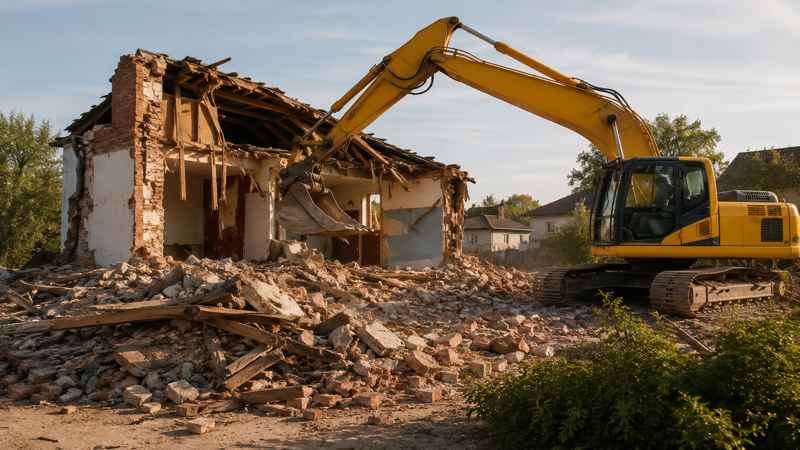
Different sectors face different exposure realities. Oil and gas sites may involve hydrocarbons, chemical residues, confined spaces, and high-temperature process by-products. Construction environments face trade overlap and changing conditions, creating frequent exposure to silica dust, cement dust, adhesives, coatings, and fuels. Utilities work may appear routine but can involve major chemical hazards during treatment or maintenance activities, including substances like chlorine and powerful cleaning agents.
Building a Real Safety Culture
COSHH should never be reduced to a checklist. Its true value lies in creating a practical safety culture that prioritises long-term worker health. When organisations identify hazards early, assess exposure realistically, apply strong controls, train people properly, and continually improve, they prevent harm before it becomes permanent. In high-risk industries, COSHH isn’t optional administration—it’s one of the most effective tools for building safer workplaces and protecting people for the long run.
Building a Real Safety Culture
COSHH should never be reduced to a checklist. Its true value lies in creating a practical safety culture that prioritises long-term worker health. When organisations identify hazards early, assess exposure realistically, apply strong controls, train people properly, and continually improve, they prevent harm before it becomes permanent. In high-risk industries, COSHH isn’t optional administration—it’s one of the most effective tools for building safer workplaces and protecting people for the long run.
Building a Real Safety Culture
COSHH should never be reduced to a checklist. Its true value lies in creating a practical safety culture that prioritises long-term worker health. When organisations identify hazards early, assess exposure realistically, apply strong controls, train people properly, and continually improve, they prevent harm before it becomes permanent. In high-risk industries, COSHH isn’t optional administration—it’s one of the most effective tools for building safer workplaces and protecting people for the long run.
Building a Real Safety Culture
COSHH should never be reduced to a checklist. Its true value lies in creating a practical safety culture that prioritises long-term worker health. When organisations identify hazards early, assess exposure realistically, apply strong controls, train people properly, and continually improve, they prevent harm before it becomes permanent. In high-risk industries, COSHH isn’t optional administration—it’s one of the most effective tools for building safer workplaces and protecting people for the long run.
Book a free demo @ https://toolkitx.com/blogsdetails.aspx?title=COSHH-explained:-a-practical-guide-for-oil-and-gas,-construction-and-utilities

© 2025 Crivva - Hosted by Airy Hosting Managed Website Hosting.