


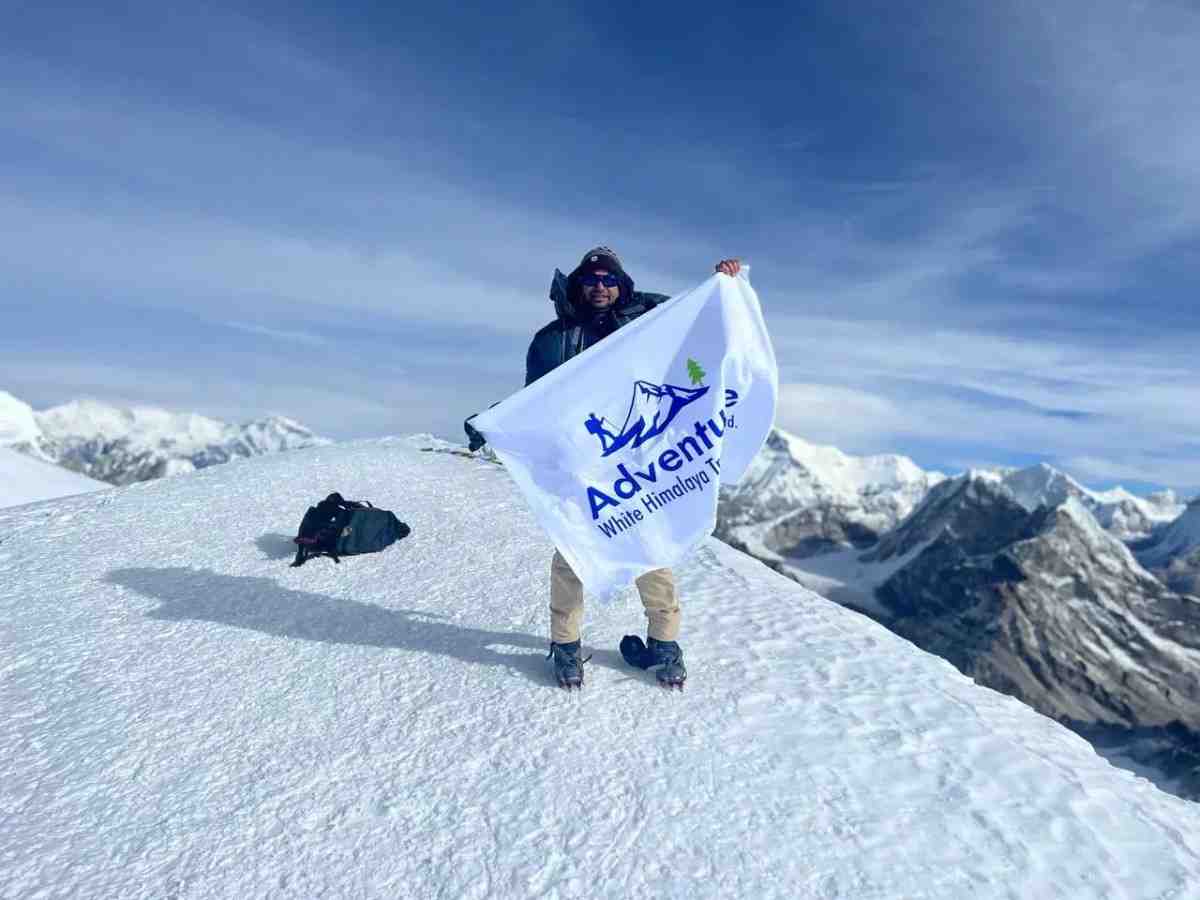
The first light of dawn touched the snowy ridges as I tightened my boots and checked my gear. Today, I would attempt Mera Peak, one of Nepal’s highest trekking peaks. The cold air burned my lungs, but the excitement of climbing a summit over 6,000 meters filled me with energy. Every step I would take today promised incredible views, a sense of achievement, and a story to tell for a lifetime.
Mera Peak is not just a climb. It is a journey through forests, villages, glaciers, and high mountain passes. It tests your strength, patience, and courage, while offering some of the most stunning views in the Everest region.
Mera Peak stands at 6,476 meters (21,247 feet), making it one of the highest trekking peaks in Nepal. Unlike technical Himalayan climbs, Mera Peak is achievable for trekkers with basic climbing training. You do not need years of mountaineering experience, but preparation, fitness, and guidance are essential.
Mera Peak is more than a climb. It is a journey through forests, villages, glaciers, and high ridges. It tests your strength, patience, and courage while offering some of the most stunning vistas in the Everest region. From the first step on the trail to the summit, this adventure challenges you physically and rewards you emotionally.
Standing at 6,476 meters (21,247 feet), Mera Peak is one of Nepal’s highest trekking peaks. Unlike technical Himalayan climbs, Mera Peak is achievable for trekkers with basic climbing training. You do not need years of mountaineering experience, but preparation, fitness, and guidance are essential.
The peak provides a panoramic view of five of the world’s tallest mountains: Everest, Lhotse, Makalu, Cho Oyu, and Kanchenjunga. At the summit, the horizon stretches endlessly, and the feeling of standing among giants is overwhelming. The snow sparkles under the sun, and clouds float far below, giving a sense of being on top of the world.
Mera Peak is also special because it combines trekking and climbing in one journey. You experience lush forests, local villages, open ridges, glaciers, and high-altitude snowfields—all in one trek. For many, it is the perfect introduction to Himalayan climbing.
The adventure begins with a flight to Lukla, the gateway to the Everest region. The small airport is perched on a cliff, and the mountains greet you immediately. From Lukla, the trail moves through forests and villages, slowly gaining altitude each day.
Villages like Khare, Thuli Kharka, and Chhukung provide rest stops. Along the way, you meet welcoming locals, see yaks grazing in fields, and notice stone houses with fluttering prayer flags. Trekking through these villages gives a glimpse of traditional Sherpa life. People are friendly, and their warmth makes the long walks feel lighter.
The trekking route passes through green forests of pine, rhododendron, and juniper. Streams cross the trail, and birds sing in the trees. The sound of running water and rustling leaves becomes a natural rhythm for your steps. Each day is a balance of walking, resting, and enjoying the Himalayan scenery.
Climbing Mera Peak requires careful acclimatization. Altitude sickness can affect anyone, even experienced trekkers. Spending nights in higher villages or base camps allows your body to adjust to thinner air. Slow walking, drinking water, and taking rest days help prevent headaches, nausea, and fatigue.
Acclimatization days also give time to explore the area. You can hike small ridges, walk near glaciers, or visit local villages. These activities are light but help your body adapt while letting you enjoy the beauty of the Everest region.
The final climb to Mera Peak starts very early, often before sunrise. Wearing crampons and using an ice axe, trekkers move carefully over snow and ice. The air is thin, making each step feel heavier than usual. Cold wind bites at exposed skin, and the trail can be slippery in places.
Despite the difficulty, the summit is within reach. As the sun rises, mountains glow golden. Everest, Lhotse, Makalu, and other giants appear above distant ridges. Reaching the summit is an emotional moment. The view seems endless, and the sense of accomplishment is overwhelming. Some climbers cry, some laugh, and some simply stand in silence, taking it all in.
The descent requires focus and care. Snow can be slippery, and tired legs must carry you safely back to base camp. Guides often lead the way, ensuring safety while helping you enjoy the moment.
The Mera Peak climb is often combined with trekking in the Everest region. Here are some important details:
The average trek length is 18 to 22 days, including trekking, acclimatization, and summit attempt.
The total distance is approximately 110 kilometers, depending on the route chosen.
The maximum elevation is 6,476 meters (21,247 feet) at Mera Peak summit.
Because of the high altitude, proper preparation, trained guides, and safety gear are essential. Trekkers should also carry layers of warm clothing, sun protection, and sufficient food and water.
Along the trail, teahouses provide simple but warm accommodations. Rooms usually have twin beds, blankets, and shared bathrooms. At base camp, tents with sleeping bags are common. After a long day of trekking or climbing, even a basic room feels cozy.
Meals are simple but nourishing. Dal bhat, soups, noodles, and tea keep energy levels high. Trekkers gather in dining areas, sharing stories, photos, and tips for the summit. Nights are quiet, stars fill the sky, and the silence of the mountains is calming.
The base camp also gives a sense of community. Climbers support each other, helping with gear, advice, and encouragement. Even though the challenge is personal, it becomes a shared experience among those on the mountain.
Spring (March to May) and autumn (September to November) are the best seasons. These months offer clear skies, stable weather, and warmer daytime temperatures.
Winter brings extreme cold and possible snowstorms, while summer can be rainy, making trails slippery and visibility poor. Choosing the recommended seasons increases your chances of a safe and enjoyable climb.
Mera Peak is ideal for trekkers seeking a high-altitude adventure without extreme technical climbing. Beginners with good fitness, experienced trekkers, and adventure lovers all enjoy this peak.
It is perfect for those who want trekking and a Himalayan summit in one journey. Photographers, nature enthusiasts, and anyone who loves mountains will find the climb unforgettable. The combination of moderate challenge, spectacular scenery, and cultural experiences makes Mera Peak a once-in-a-lifetime adventure.
Train Before You Go: Cardio and leg strength are important for long days of trekking and climbing.
Acclimatize Slowly: Take rest days and walk slowly to avoid altitude sickness.
Use Proper Gear: Crampons, ice axe, warm clothing, and sturdy boots are essential.
Stay Hydrated: Drink water frequently and eat energy-rich meals.
Hire a Guide: Experienced guides improve safety and help navigate tricky sections.
Climbing Mera Peak is more than reaching a summit. It is about the quiet mornings in forests, the smiles of villagers, the challenge of high altitudes, and the golden first light on snow peaks.
When I think back, I remember the cold air, the vast mountains, and the feeling of standing at the top of the world. Mera Peak is not just a climb; it is an adventure that leaves a deep mark on your heart. Every step, from lower villages to the summit, teaches patience, strength, and appreciation for the beauty of the Himalayas.
The memories of Mera Peak—the views, the journey, the people, and the mountains—remain long after the trek ends. It is a high-altitude adventure that challenges your body, uplifts your spirit, and inspires your soul.

© 2025 Crivva - Hosted by Airy Hosting Managed Website Hosting.