



Torsion shafts play an important role in many mechanical and industrial systems, including pipelines, moving shutters, gear assemblies, conveyors, rolling mills, and heavy machinery. Their primary function is to transfer torque smoothly and evenly between connected components, ensuring balanced motion and reliable power transmission. When torsion shafts are correctly aligned, machines operate efficiently, quietly, and with minimal wear.
However, once torsion shafts are not aligned properly—even if the misalignment is small—it can create major operational issues. These Torsion Shaft Alignment Problems in Kolkata and other industrial regions often remain unnoticed during routine operations until they suddenly result in equipment breakdowns, unexpected production delays, or serious safety risks for both machinery and personnel.
That is why understanding torsion shaft alignment issues and recognizing the importance of addressing them early is essential for keeping industrial operations efficient, safe, and reliable over the long term.
Torsion shaft alignment refers to ensuring that a shaft rotates along its correct central axis without placing unnecessary stress on bearings, couplings, gears, or other connected parts. When alignment is accurate, torque is transmitted evenly, vibration levels remain low, and friction is minimized. This allows the entire mechanical system to operate smoothly and efficiently.
In contrast, misalignment introduces unwanted forces into the system. These forces increase vibration, heat, and mechanical stress, which accelerate wear and reduce the overall lifespan of components. Over time, even slight misalignment can compromise system reliability and lead to repeated maintenance issues.
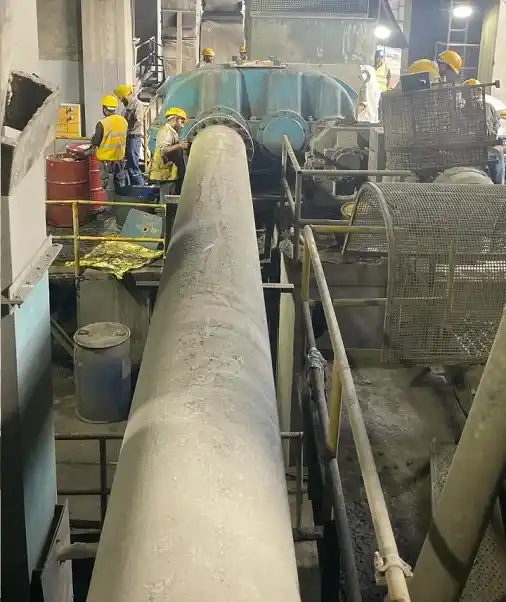
Torsion shafts are particularly sensitive to misalignment because they are designed to absorb and transmit twisting forces. Any deviation from proper alignment disrupts torque distribution and places uneven loads on the shaft and its supporting elements.
One of the most common torsion shaft alignment problems is angular misalignment. This occurs when the centerlines of connected shafts are not collinear and meet at an angle rather than being perfectly aligned. Angular misalignment is often caused by poor installation practices, uneven or weak foundations, or structural movement over time.
When angular misalignment exists, stress concentrates at specific points on the shaft and coupling. This leads to excessive vibration, increased bearing loads, and premature wear of mechanical components.
Parallel or offset misalignment occurs when two shafts remain parallel to each other but are laterally displaced from the correct centerline. This type of misalignment is commonly caused by thermal expansion, loose mounting bolts, worn components, or gradual foundation settlement.
Although offset misalignment may seem less severe, it still causes significant stress on couplings and bearings. Over time, this stress can result in seal damage, lubrication failure, and increased energy consumption.
In torsion-based systems, uneven torque distribution is a serious concern. When a shaft is misaligned, torque is not transferred evenly along its length. This creates twisting stress, vibration, and metal fatigue.
As these stresses accumulate, they can lead to cracks in the shaft, damaged couplings, or even complete shaft failure. In high-load applications, such failures can be sudden and costly, causing extended downtime and safety hazards.
Torsion shaft misalignment rarely causes sudden failure without warning. In most cases, early symptoms develop gradually and can be detected if operators and maintenance teams remain attentive.
Common early warning signs include increased vibration, unusual noises such as grinding or knocking, and higher-than-normal temperatures around bearings or couplings. These symptoms—reducing downtime through early detection and timely correction—may also be accompanied by uneven component wear, frequent lubrication problems, or a noticeable drop in machine performance.
Other indicators may include repeated coupling failures, excessive seal leakage, or abnormal power consumption. When machines have to work harder to overcome misalignment-related resistance, energy usage rises and efficiency declines.
Ignoring these warning signs can be expensive. What begins as a minor alignment issue can quickly develop into major mechanical damage, sudden breakdowns, and high repair costs. In certain situations, torsion shaft misalignment can also pose serious safety risks, including component ejection, equipment instability, or unexpected machine stoppages.
The consequences of poor torsion shaft alignment extend far beyond the shaft itself. Bearings are often the first components to suffer, as they are forced to handle loads they were not designed to carry. This leads to early bearing failure and frequent replacements.
Couplings also experience increased stress and wear, resulting in cracks, deformation, or complete failure. Seals may start leaking due to shaft movement, allowing contamination to enter the system and degrade lubrication quality.
Lubricants break down more quickly under high heat and stress, further accelerating wear and increasing maintenance frequency. At the same time, overall energy consumption rises as motors and drives must work harder to compensate for misalignment.
In high-demand industrial hubs such as Delhi and Kolkata, where continuous operations are critical, unplanned downtime can be extremely costly. Equipment breakdowns caused by misalignment can halt entire production lines, delay shipments, and significantly increase maintenance and repair expenses.
Correcting torsion shaft alignment requires a high level of precision and technical expertise. Traditional alignment methods, such as straightedges or dial indicators, often fail to detect small but damaging misalignments—especially in complex or high-speed machinery.
This is where professional laser alignment services become essential. Laser alignment systems provide highly accurate measurements, allowing technicians to identify and correct even minute alignment deviations. By aligning shafts to exact tolerances, laser technology helps prevent recurring problems and ensures long-term machine reliability.
Many industrial facilities rely on professional shaft alignment services in Delhi to keep critical machinery running smoothly in manufacturing plants, power stations, refineries, and processing units. Similarly, industries in eastern India depend on expert shaft alignment services in Kolkata to minimize downtime, improve efficiency, and extend equipment lifespan.
Professional alignment also includes proper documentation, baseline measurements, and post-alignment verification, which are essential for effective predictive and preventive maintenance programs.
Preventing torsion shaft alignment problems begins with correct installation. Alignment should always be verified after new equipment is installed, relocated, or subjected to major maintenance work. Even small changes in foundation conditions or mounting hardware can affect alignment accuracy.
Regular inspections play a key role in early detection. Vibration analysis, thermal imaging, and noise monitoring can help identify developing alignment issues before they escalate into failures. Monitoring these parameters allows maintenance teams to plan corrective actions without disrupting operations.
Working with experienced service providers who use laser-based alignment techniques ensures accurate results and long-term performance. Proactive maintenance strategies reduce repair costs, improve safety, and enhance overall operational reliability.
Torsion shaft alignment problems are often easy to overlook, but the consequences of ignoring them can be severe. Misalignment leads to faster wear, increased energy losses, and unexpected equipment failures that interrupt production and compromise safety.
By recognizing early warning signs and investing in professional laser alignment solutions—along with reliable laser alignment services in Delhi and shaft alignment services in Kolkata—industries can protect their machinery, reduce downtime, and maintain smooth, dependable operations over the long term.
Proper torsion shaft alignment is not just a maintenance task; it is a strategic investment in productivity, safety, and long-term equipment performance.

© 2025 Crivva - Hosted by Airy Hosting Managed Website Hosting.