

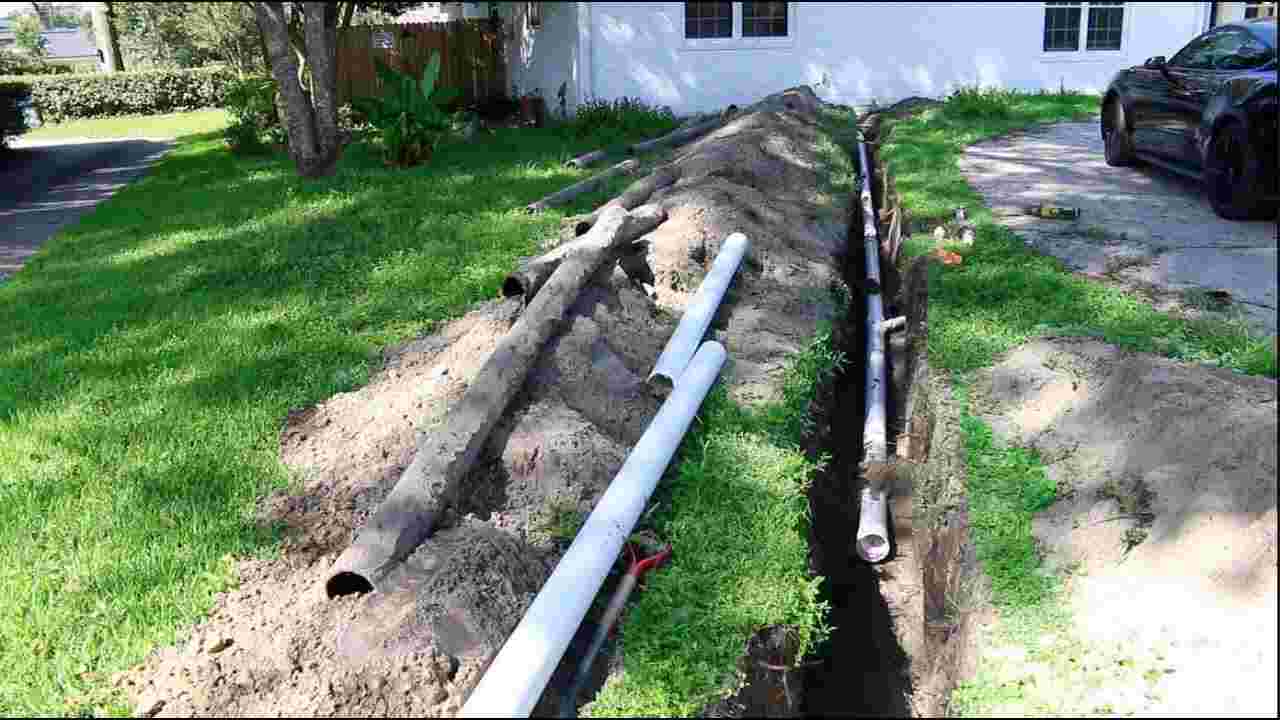
Identifying that you need a Sewer Line Replacement often comes down to recognizing persistent drainage failures, structural aging, and physical property damage. If your drains clog repeatedly despite cleaning, or if you notice sinkholes and foul odors in your yard, the pipe has likely collapsed or suffered extensive root intrusion. While localized repairs work for small leaks, a full replacement becomes necessary when the structural integrity of the entire line is compromised.
This guide provides a detailed look at the red flags that signal a failing sewer system. Catching these signs early can prevent catastrophic property damage and high emergency repair costs. By understanding these indicators, you can make informed decisions about your home’s infrastructure before a total system failure occurs. Industry data suggests that nearly 25% of all American homes have sewer lines that have reached the end of their functional lifespan.
If you find that your toilets, sinks, and tubs all back up at once, the issue is rarely a simple clog. This suggests a deep blockage or a break in the main line leading to the street. When one drain gurgles while you use another, it means air is trapped in the system due to a restriction.
These symptoms often indicate that Sewer Line Replacement is the only long-term fix for a decaying pipe. Simple snaking will not solve the problem if the pipe wall has thinned or collapsed entirely.
Occasional backups might happen, but frequent overflows are a clear sign of a broken pipe. A healthy sewer system is airtight, meaning you should never smell sewer gas inside or outside your home. If you smell rotten eggs or sulfur around your property, the line is likely cracked.
These cracks allow gases to escape and can eventually lead to complete pipe failure. Odors are often the first sign that the earth around the pipe is becoming saturated with wastewater.

Sewage acts as a potent fertilizer for grass and plants. If you notice a specific area of your lawn is significantly greener and thicker than the rest, there might be a leak underneath. While a green lawn looks nice, this uneven growth often points to a cracked sewer pipe leaking nutrient-rich waste into the soil.
A cracked sewer line constantly saturates the surrounding soil. This can lead to soil erosion, causing the ground above the pipe to settle or sink. If you notice unexplained dips in your lawn or pavers, the earth is being washed away by leaking wastewater.
This is a severe sign that the pipe requires immediate attention to prevent foundation issues. Deep sinkholes can also pose a safety risk to people and pets on the property.
|
Sign of Failure |
Cause of Damage |
Recommended Action |
|---|---|---|
|
Foundation Cracks |
Constant water saturation |
Immediate Professional Inspection |
|
Recurring Roots |
Old clay or concrete pipes |
Professional Cleaning or Replacement |
|
Slow Drains |
Internal buildup or pipe belly |
Video Camera Pipe Inspection |
|
High Water Bills |
Continuous leaking underground |
Professional Leak Detection Services |
The material of your pipes plays a massive role in their lifespan. Homes built before the 1970s often use clay, cast iron, or Orangeburg pipes, which are highly susceptible to corrosion and root intrusion. Modern Sewer Line Replacement Solutions typically involve high-density polyethylene (HDPE) or PVC.
These materials resist chemical corrosion and are much less likely to be penetrated by tree roots compared to older materials. In many regions, the average lifespan of a cast iron sewer pipe is only about 50 to 65 years before the bottom of the pipe begins to rust away.
Beyond exterior signs, sewer leaks behind walls or under floors increase indoor humidity levels significantly. This creates a perfect environment for mold to grow, often appearing as dark spots on walls or ceilings. If you have addressed ventilation but mold continues to reappear, a leaking sewer line might be the culprit.
Professional Sewer Line Replacement Services can identify if the moisture source is a failing waste line. Mold related to sewage leaks often carries a distinct, musty odor that differs from standard attic mold.
Rats live in sewers and can squeeze through very small cracks to enter your home. If you have a sudden pest problem that will not go away, they might be using your broken sewer line as an entry point. Insects like cockroaches and sewer flies are also attracted to the moisture and waste found in cracked pipes.
Before committing to a major project, you should evaluate the specific conditions of your property. The depth of the pipe, the location of your landscaping, and the local soil composition all influence the best approach. Different regions have different requirements for pipe depth to avoid frost lines or to accommodate specific soil types.
In extreme cases, a leaking sewer line can wash away the soil supporting your home’s foundation. This leads to structural cracks in the foundation or even the interior walls of your house. If you notice new cracks appearing in your basement floor or foundation, you should check for nearby plumbing leaks.
A broken sewer line left unattended can lead to thousands of dollars in structural repairs beyond just the plumbing costs. Many structural engineers find that a large percentage of foundation settlement issues are caused by undetected water leaks.
When these signs appear, it is helpful to consult with professionals who understand regional soil challenges and local building codes. All Drain Solutions provides specialized expertise in identifying residential and commercial pipe failures. You can reach their team at (253) 200-0451 or via email at [email protected] to discuss your specific concerns. Their technicians offer detailed inspections to determine if you need a simple repair or a full Sewer Line Replacement.
If you are dealing with persistent clogs or unusual yard odors, getting an expert opinion early can save you from a major plumbing emergency.
Ignoring sewer problems only leads to more expensive repairs and potential health hazards. Common signs like multiple slow drains, foul odors, and lush patches in the yard are your home’s way of signaling a major issue. Modern technology allows for faster and less invasive replacement options than in the past. It is best to evaluate your home’s age and current drainage performance to decide if a professional inspection is the right next step for your property’s long-term health.
A professional video camera inspection is the most accurate and fastest method. A technician feeds a waterproof camera through the line to see cracks, breaks, or root blockages in real-time.
Yes, tree roots are drawn to the moisture and nutrients inside sewer lines. They can enter through tiny cracks or loose joints and grow large enough to shatter the pipe completely.
If the pipe is made of an outdated material like Orangeburg or is brittle throughout, a replacement is better. Repairing one small section of a failing system usually results in more leaks elsewhere shortly after.
Standard policies often do not cover wear and tear or root damage. However, many providers offer a separate service line endorsement that can help cover the costs of a sudden pipe failure.
Most residential projects take between one and three days. Trenchless methods are usually faster since they require significantly less digging and yard restoration after the pipe is installed.

© 2025 Crivva - Hosted by Airy Hosting Managed Website Hosting.