

Activated carbon is a highly porous material widely used for purification, filtration, and adsorption processes across industries such as water treatment, pharmaceuticals, food processing, air purification, and chemical manufacturing. Among the various raw materials used to produce activated carbon, coconut shells and coal are the two most common sources. While both types serve similar functions, they differ significantly in terms of properties, performance, sustainability, and application suitability.
This article provides a detailed comparison between coconut shell activated carbon and coal-based activated carbon, helping industries and buyers make informed decisions based on their specific requirements.
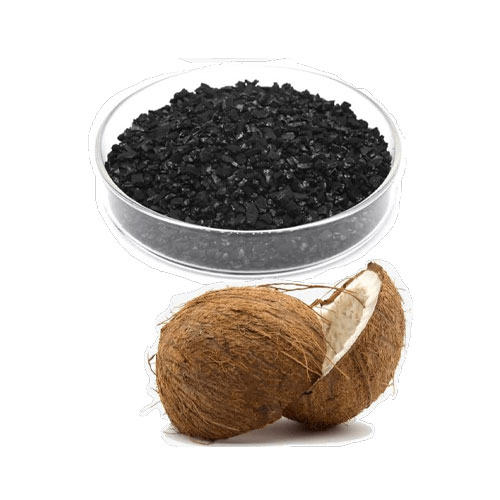
Coconut shell activated carbon is derived from natural coconut shells, a renewable agricultural byproduct abundantly available in tropical regions. The shells are carbonized and then activated using steam or chemical processes to create a highly porous structure.
In contrast, coal-based activated carbon is produced from non-renewable fossil fuels such as bituminous coal, anthracite, or lignite. The coal undergoes carbonization followed by activation at high temperatures, usually with steam or chemical agents.
The key difference lies in sustainability: coconut shell carbon is eco-friendly and renewable, while coal-based carbon relies on finite natural resources.
One of the most critical factors in activated carbon performance is its pore structure, which determines adsorption efficiency.
Coconut shell activated carbon is predominantly microporous, meaning it contains very small pores. These micropores provide a large surface area, making it highly effective for adsorbing small molecules such as organic contaminants, chlorine, and volatile organic compounds (VOCs).
Coal-based activated carbon, on the other hand, has a broader pore size distribution, including micropores, mesopores, and macropores. This makes it more versatile in handling larger molecules such as dyes, tannins, and complex organic compounds.
In summary:
Coconut shell activated carbon is known for its exceptional hardness and mechanical strength. This makes it highly resistant to abrasion and attrition during handling, backwashing, and regeneration processes. As a result, it has a longer operational life.
Coal-based activated carbon is comparatively softer and more prone to breakage and dust formation. This can lead to higher material loss and frequent replacement in certain applications.
Therefore, for systems requiring long-term durability and minimal carbon loss, coconut shell carbon is often preferred.
Adsorption efficiency depends on both surface area and pore structure.
Coconut shell activated carbon typically offers higher adsorption efficiency for low molecular weight compounds due to its dense microporous structure. It is particularly effective in removing:
Coal-based activated carbon performs better for larger molecules due to its mesoporous structure. It is commonly used for:
Thus, the choice depends largely on the type of contaminants being treated.
Ash content is an important quality parameter, especially in sensitive applications like pharmaceuticals and drinking water purification.
Coconut shell activated carbon has very low ash content, often below 5%. This results in higher purity and less risk of leaching impurities into the treated medium.
Coal-based activated carbon generally has higher ash content, which can affect the purity of the filtered product and may require additional processing or washing.
For high-purity applications, coconut shell carbon is clearly superior.
Both types of activated carbon can be regenerated, but their performance after regeneration differs.
Coconut shell activated carbon maintains its structural integrity better during regeneration cycles due to its hardness. It can withstand multiple regeneration processes with minimal loss of efficiency.
Coal-based activated carbon, being softer, tends to degrade more quickly during regeneration, leading to reduced lifespan and higher replacement costs.
Environmental sustainability is becoming increasingly important in industrial decision-making.
Coconut shell activated carbon is considered environmentally friendly because:
Coal-based activated carbon has a higher environmental impact due to:
From a sustainability perspective, coconut shell carbon is the preferred choice.
Cost is often a deciding factor in selecting activated carbon.
Coal-based activated carbon is generally less expensive due to the widespread availability of coal and established production infrastructure.
Coconut shell activated carbon can be more expensive initially, especially in regions where coconut shells are not locally available. However, its longer lifespan, higher efficiency, and lower replacement frequency can offset the higher upfront cost over time.
Thus, while coal-based carbon may offer short-term cost savings, coconut shell carbon often provides better long-term value.
Both types of activated carbon are used across various industries, but their specific applications differ based on their properties.
The choice depends on the nature of the process and the type of contaminants involved.
In water treatment applications, both types of activated carbon are widely used but serve different roles.
Coconut shell activated carbon is highly effective in potable water systems due to its ability to remove chlorine, odor, and organic impurities without adding contaminants.
Coal-based activated carbon is more commonly used in industrial water treatment where the removal of larger organic molecules and color is required.
For municipal and drinking water systems, coconut shell carbon is generally the preferred option.
Coconut shell activated carbon and coal-based activated carbon each have their own advantages and limitations. The selection between the two depends on several factors, including the type of contaminants, required purity levels, budget, and environmental considerations.
Coconut shell activated carbon stands out for its high purity, superior hardness, excellent microporosity, and eco-friendly nature. It is ideal for high-performance applications such as drinking water purification, pharmaceuticals, and air filtration.
Coal-based activated carbon, with its broader pore structure and lower cost, is better suited for industrial applications involving larger molecules and bulk treatment processes.
In today’s sustainability-driven world, coconut shell activated carbon is increasingly gaining preference, especially in industries where quality and environmental impact are critical. However, coal-based activated carbon continues to play an important role in large-scale industrial operations due to its versatility and cost-effectiveness.
Ultimately, the right choice lies in understanding the specific application requirements and balancing performance with cost and sustainability.

© 2025 Crivva - Hosted by Airy Hosting Managed Website Hosting.