


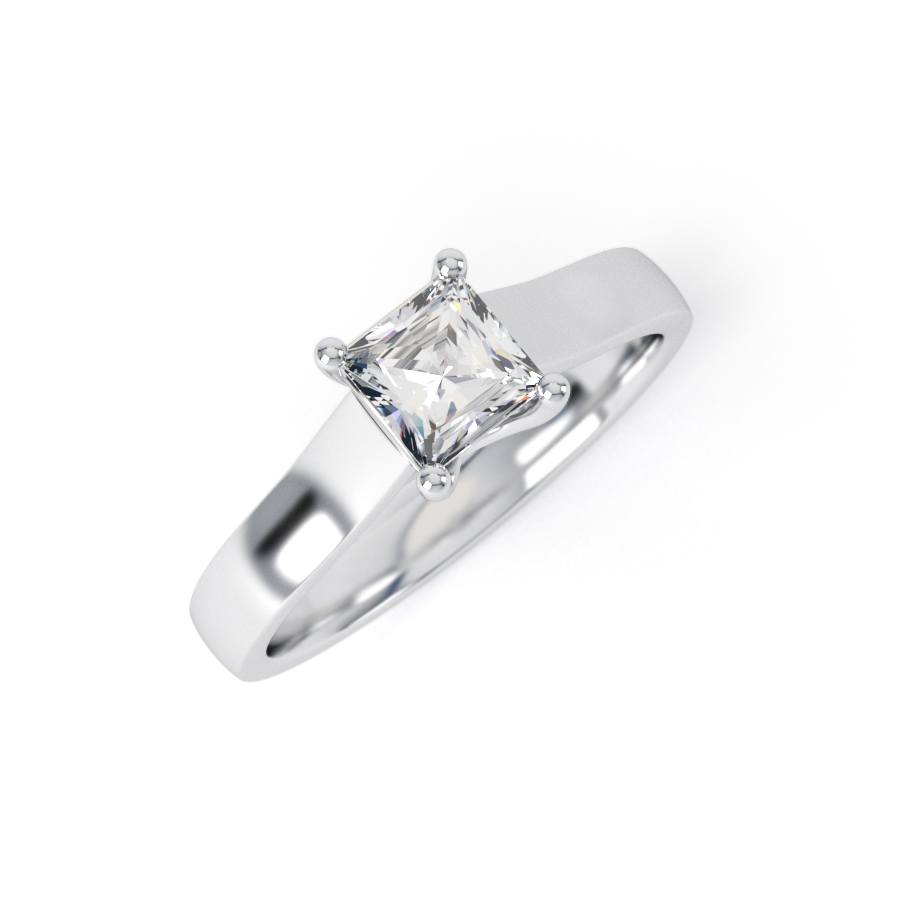
Few moments in life carry as much weight as the one where you ask someone to spend their life with you. At the centre of that moment sits a ring. Diamond engagement rings have symbolised that promise for well over a century — but what makes one ring truly right for the person wearing it? This article walks you through everything from understanding the four Cs to choosing a setting that will still feel stunning in forty years.
Trends come and go in the jewellery world. Coloured gemstones, moissanite, and vintage pieces have all had their moments. Yet diamonds — particularly for engagement rings — hold a position no alternative has seriously threatened.
Diamond is the hardest natural material on earth, rating 10 on the Mohs scale. For a ring worn every single day, that durability matters enormously. A diamond’s internal light — the way it seems to generate its own glow — has made it a natural metaphor for enduring love across cultures and centuries.
Cut does not refer to shape — it refers to how precisely the diamond has been faceted. A well-cut stone returns light to your eye efficiently; a poorly cut one leaks light from the sides or bottom, looking dull even if it is technically flawless. Of all four Cs, cut has the most direct impact on how beautiful a diamond looks to the naked eye.
The GIA colour scale runs from D (colourless) to Z (visibly yellowish). Most people cannot detect the difference between a D and a G stone once it is set and viewed in normal lighting — yet the price gap is significant. For white gold or platinum, stay in the D–H range. For yellow gold, I or J works beautifully.
Clarity grades reflect the number, size, and position of internal inclusions. Flawless diamonds exist but are priced accordingly. The practical sweet spot for most buyers is VS1–VS2, where inclusions are invisible to the naked eye. Dropping to SI1 can save meaningful money while still giving you a stone that looks clean in everyday wear.
Carat measures weight, not size. A 1.5-carat diamond with a poor cut can look smaller and less brilliant than a 1.0-carat stone cut to ideal proportions. If size is a priority, consider oval or elongated shapes — they tend to look larger face-up than round brilliants of equal weight.
The setting defines the ring’s personality. Solitaires let the diamond speak entirely for itself and suit most hand shapes. Pavé and halo designs surround the centre stone with smaller diamonds, amplifying brilliance. Bezel settings encase the diamond in a rim of metal — ideal for active lifestyles. Three-stone rings, symbolising past, present, and future, add meaning without sentimentality. You can explore the full range of engagement rings to compare these styles side by side.
Platinum is denser, more durable, and naturally white — it will not need rhodium replating the way white gold does. White gold is more affordable but needs replating every few years. Yellow gold has made a strong return; 18ct offers a rich tone with good durability. Rose gold flatters a wide range of skin tones but may cause reactions in those with copper sensitivity.
UK jewellers are required to hallmark all gold and platinum items, confirming metal purity. Always request a grading certificate from GIA, HRD, or IGI for any diamond above 0.3 carats. Under the Consumer Rights Act 2015, you are also entitled to a clear returns or exchange policy — useful when buying a surprise ring.
According to the Gemological Institute of America, consumers are best served by purchasing certified stones from jewellers who explain the grading report in plain terms. Transparency here is a reliable indicator of a trustworthy retailer.
The best ring is not necessarily the biggest diamond or the most expensive metal. It is the one that reflects what you know about the person you love. Take your time, ask questions, and when you find the one that feels right, you will know.
The round brilliant cut remains the top choice, engineered for maximum light return. Oval cuts have grown significantly in popularity and are now a close second.
There is no universal rule. The two-months-salary guideline was a marketing invention. Spend what your financial situation allows — cut quality matters far more than stone size.
Yes. For any diamond of 0.3 carats or above, a GIA, HRD, or IGI certificate verifies quality independently and protects your investment.
Most established jewellers offer customisation — from choosing the diamond separately to full bespoke design, which typically takes four to eight weeks.
Clean with warm water, a drop of washing-up liquid, and a soft toothbrush. Have prongs checked by a jeweller every 12–18 months. Avoid chlorinated pools and applying perfume directly onto the stone.
The best metal depends on personal style, budget, and lifestyle. Platinum is highly durable and naturally white, making it ideal for everyday wear. White gold offers a similar look at a lower price point, while yellow gold and rose gold provide warmer tones and a more distinctive appearance. The right choice is one that complements both the diamond and the wearer’s preferences.

© 2025 Crivva - Hosted by Airy Hosting Managed Website Hosting.